
We live in an era of profound transformation, where artificial intelligence presents itself not as a simple tool, but as a reality that questions our most authentic identity. Faced with this new development, as a community of faith we are called not to be overwhelmed by either anxiety or uncritical enthusiasm. Pope Francis, in his pastoral wisdom until his passing in April 2025, taught us to look at innovations with realism and hope. Now, with Pope León XIV guiding the Church, we can continue this journey of discernment, remembering that all human progress must be evaluated in the light of the Gospel.
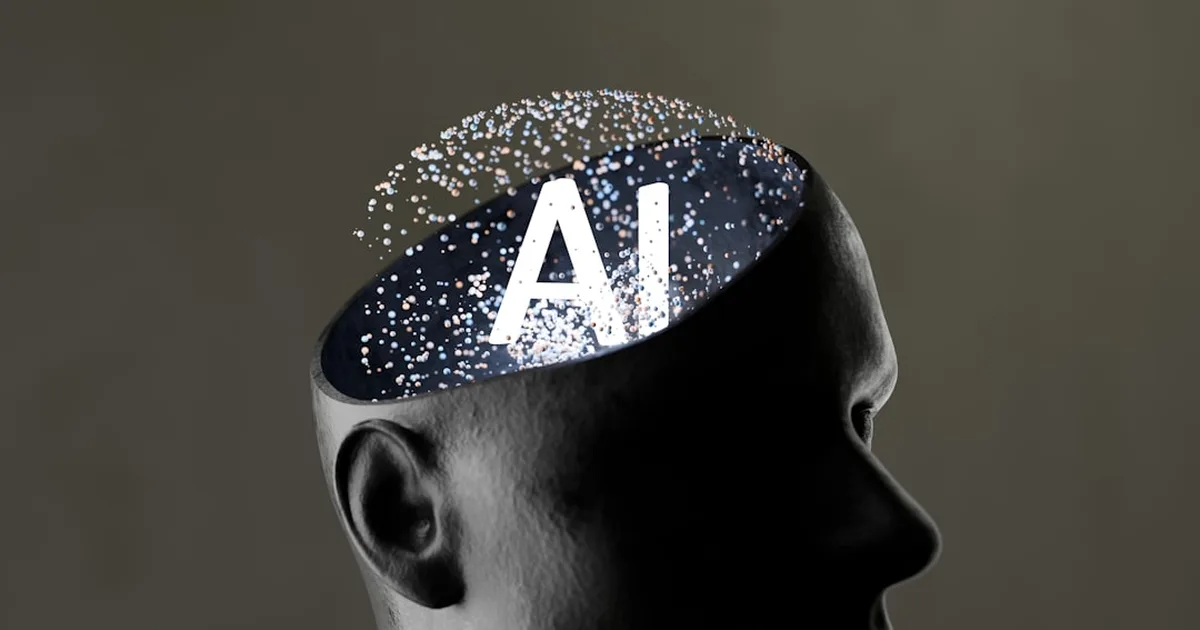
Technology, in itself, is neither good nor bad: everything depends on how we use it and the intentions that guide it. As Christians, we have a duty to ask ourselves how these innovations can serve the common good, promote human dignity, and foster a more just and compassionate society. This isn't about rejecting progress, but about accompanying it with mature reflection that places the human person—created in God's image and likeness—at the center.
Christian Anthropology in the Face of Technology
To understand our relationship with artificial intelligence, we must begin with a clear vision of the human person. The Bible reveals that we were lovingly formed by God, endowed with intelligence, freedom, and the capacity to love. In the book of Genesis we read:
"So God created mankind in his own image, in the image of God he created them; male and female he created them" (Genesis 1:27 NIV).This fundamental truth reminds us that our dignity doesn't come from our productive or cognitive abilities, but from our being children of God.
Artificial intelligence, however sophisticated, remains a product of human ingenuity. It possesses no consciousness, inner freedom, or capacity for self-giving love. It can simulate logical processes, but it cannot replace the depth of the human spirit, capable of transcendence, sacrifice, and self-gift. Recognizing this limit is essential to avoid falling into technological idolatries that would ultimately impoverish our humanity.
Saint Paul, in his letter to the Romans, invites us not to conform to this world, but to renew our minds to discern God's will:
"Do not conform to the pattern of this world, but be transformed by the renewing of your mind. Then you will be able to test and approve what God's will is—his good, pleasing and perfect will" (Romans 12:2 NIV).This verse offers us a precious key for facing the challenges of our time: we must not passively adapt to cultural or technological trends, but evaluate everything with hearts and minds enlightened by faith.
Between Fear and Hope: A Middle Path
It's understandable that we experience mixed feelings about artificial intelligence. On one hand, we see the great opportunities it offers in medical, educational, and environmental fields. On the other hand, we fear possible negative consequences for work, human relationships, and our autonomy. Church history shows us how believers have always known how to dialogue with the innovations of their time without losing the compass of Gospel values.
Consider the medieval monks who integrated new agricultural techniques without compromising their life of prayer. Or the missionaries who used the printing press to spread the Gospel in vernacular languages. Today we too are called to this same balance: welcoming the good that technology can bring while being vigilant about risks and always keeping the integral human person at the center.
Practical Steps for a Christian Approach to AI
How can we live this discernment in daily life? Here are some practical suggestions that can help us navigate these waters with wisdom and faith. First, cultivate an attitude of prayer and reflection before adopting new technologies. Second, participate in communities where we can discuss these topics from a faith perspective. Third, educate younger generations in responsible and ethical technology use. Fourth, support initiatives that use artificial intelligence to serve those most in need. Finally, always remember that our identity as God's children runs deeper than any technological advancement.
Artificial intelligence can be a powerful tool for good, but it should never become an idol that replaces our relationship with God and others. As both Pope Francis and now Pope León XIV have taught us, Christian discernment invites us to walk with our feet on the ground and our hearts in heaven, trusting that God guides us every step of the way.





Comments