
In a world marked by conflict and division, the search for peace becomes a deep longing of the human heart. As Christians, we lift our prayers to the Lord, asking for the precious gift of peace among nations and within each person. This search invites us to return to the sources of our faith, where we find a luminous vision of who we are before God.
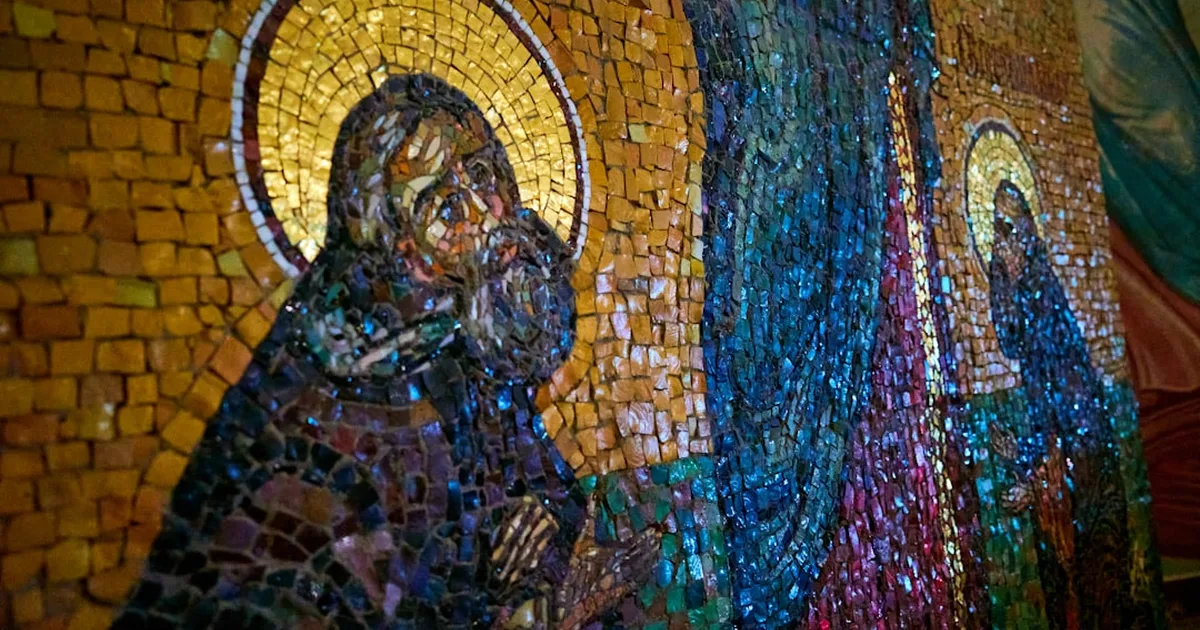
The first theologians and pastors of the Church, known as the Church Fathers, dedicated themselves to understanding the human person in light of divine revelation. Amid the challenges of their times, they developed an anthropology deeply rooted in Scripture that continues to illuminate our path today. Their reflections are not relics of the past but beacons that guide our understanding of dignity, purpose, and communion.
This vision is founded on the central truth of our faith: God is One and Triune – Father, Son, and Holy Spirit. From this divine reality springs all creation, and especially the human being, created in the image and likeness of the Creator. As the book of Genesis reminds us:
“So God created mankind in his own image, in the image of God he created them; male and female he created them.” (Genesis 1:27, NIV)
The Divine Image in Every Person
The Church Fathers insisted that human dignity is not earned by merit or lost through failure, but is a free gift from the Creator. Every person, regardless of condition, history, or circumstances, bears within themselves the mark of the divine. This truth has profound implications for how we relate to one another and to all creation.
Saint Irenaeus of Lyons, in the 2nd century, expressed this reality with a phrase that echoes through the centuries: “The glory of God is the human person fully alive.” For him, true human life consists in living in communion with God, who created us out of love and for love. This perspective moves us away from reductionist views that define human beings only by productivity, appearance, or possessions.
Another great thinker, Saint Augustine of Hippo, reflected deeply on the human heart. In his “Confessions,” he prays:
“You have made us for yourself, O Lord, and our heart is restless until it rests in you.”This sacred restlessness, according to Augustine, is a sign of our divine origin and the destiny for which we were created – union with God.
The Human Person in Relationship
The Greek Fathers, like the Cappadocians – Basil of Caesarea, Gregory of Nyssa, and Gregory of Nazianzus – emphasized that being God's image necessarily means living in relationship. Just as the Trinity is a communion of persons, we too fulfill our humanity most completely in relationships of love, service, and self-giving. The radical individualism so prevalent in our culture is foreign to this Christian vision of the person.
This understanding leads us to value every stage of human life, from conception to natural death, as sacred moments where the divine image manifests. Compassion for the most vulnerable, care for the sick and elderly, defense of the poor – all these flow naturally from those who recognize in every human face the reflection of the Creator.
Contemporary Challenges in Light of Tradition
In our time, we face complex questions about identity, technology, ecology, and social justice. The vision of the Church Fathers offers valuable criteria for discerning these challenges. They teach us to always seek the integral good of the person, considering their bodily, spiritual, social, and transcendent dimensions.
Pope Emeritus Benedict XVI, in his encyclical “Caritas in Veritate,” revisited this integral vision, stating that “integral human development presupposes the responsible freedom of the individual and of peoples.” This freedom is realized when we recognize our dependence on God and our interdependence as the human family.
Recently, with the election of Pope Leo XIV, we have seen how the Church continues to proclaim this fundamental truth about human dignity. In his early addresses, the new Pontiff has reminded us that every person, without exception, is loved by God and called to the fullness of life. This conviction should inspire our engagement in society, especially in defending the most vulnerable and building a culture of encounter.
The Church Fathers invite us to rediscover the beauty of our humanity, created in God's image. In a world that sometimes reduces people to numbers or categories, their testimony reminds us that every life is sacred, every story unique, and that our ultimate destiny is to participate in Trinitarian love. May this ancient wisdom illuminate our journey and move us to recognize and honor the divine dignity in every brother and sister we encounter along the way.





Comments