
In a remarkable fusion of ancient faith and modern science, researchers at the University of Glasgow have uncovered hidden text in a centuries-old Christian manuscript known as Codex H. Using advanced imaging techniques, scholars have revealed prayers and liturgical passages that were previously invisible to the naked eye, offering a fresh glimpse into how early Christians worshipped and understood their faith.
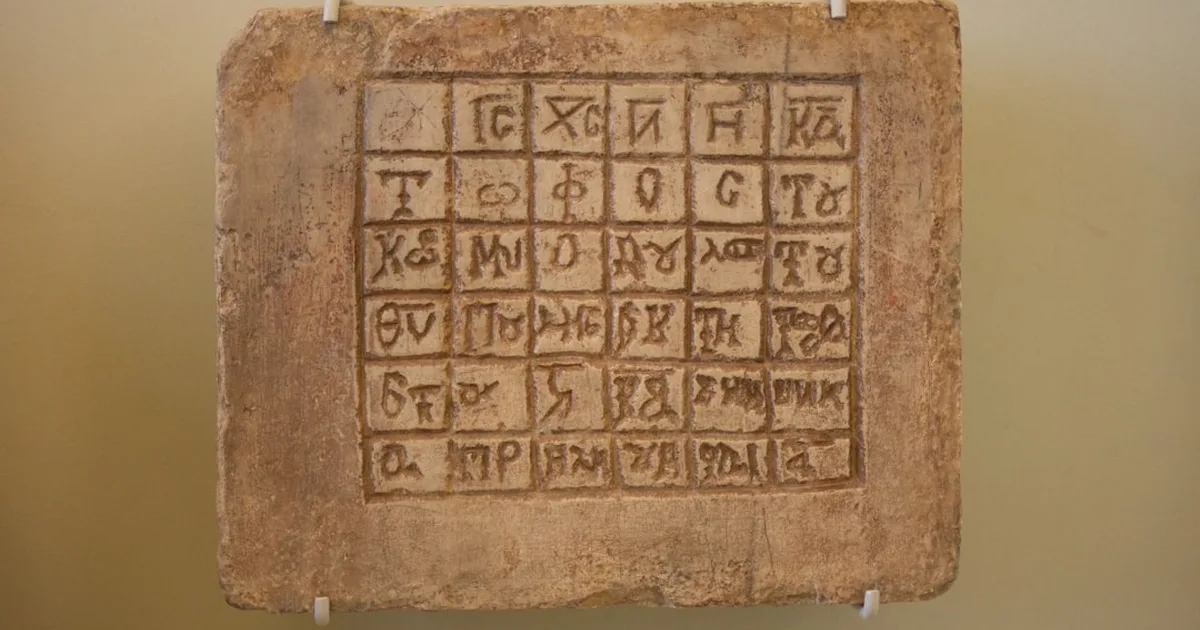
The manuscript, which dates back to the fifth or sixth century, has been part of the university's collection for decades. However, much of its content remained unreadable due to faded ink, damage, and later overwriting. Now, with multispectral imaging and other non-invasive technologies, the hidden layers of text have come to light, providing a treasure trove for historians and believers alike.
This discovery is especially poignant for Christians today, as it connects us with the prayers and devotions of our spiritual ancestors. As the apostle Paul wrote in Romans 15:4 (NIV), "For everything that was written in the past was written to teach us, so that through the endurance and the encouragement of the Scriptures we might have hope." The newly revealed words remind us that the faith we practice has deep roots stretching back centuries.
How Technology Unlocked the Past
The team used a technique called multispectral imaging, which captures images at different wavelengths of light. This method can distinguish between different inks and reveal text that has faded or been erased. In the case of Codex H, the original writing had been scraped off and overwritten with a later text—a common practice in medieval times when parchment was scarce. The erased text, known as a palimpsest, can now be read clearly.
Dr. Maria Kostopoulos, the lead researcher, explained the significance: "We are literally uncovering the voices of early Christians who copied these texts by hand. Each prayer, each liturgical instruction, was a act of devotion. To see those words again after more than a thousand years is humbling."
The imaging revealed several prayers that were not previously known, including a eucharistic prayer that emphasizes unity and reconciliation. This discovery aligns with the early Church's focus on community and mutual support, as described in Acts 2:42 (ESV): "And they devoted themselves to the apostles' teaching and the fellowship, to the breaking of bread and the prayers."
What the Hidden Text Contains
The newly deciphered passages include:
- A prayer for peace and unity among believers, echoing themes from the Lord's Prayer.
- Instructions for the celebration of the Eucharist, including specific words to be spoken.
- A blessing for travelers, reflecting the itinerant nature of early Christian communities.
These elements show that early Christian worship was both structured and deeply spiritual. The prayers are written in a style that emphasizes God's mercy and the community's dependence on divine grace.
Why This Matters for Christians Today
For many believers, this discovery is more than an academic curiosity—it is a spiritual gift. The prayers from Codex H can inspire our own prayer lives and remind us of the rich heritage we share. In a world that often feels fragmented, the early Church's emphasis on unity and peace is especially relevant.
As the current Pope, León XIV, has often said, "The Church is a family that walks together, guided by the Holy Spirit." The Codex H discovery underscores that truth by showing how Christians from the past walked the same path of faith, facing their own challenges and seeking God's presence.
The Apostle Peter wrote in 1 Peter 2:9 (NIV), "But you are a chosen people, a royal priesthood, a holy nation, God's special possession, that you may declare the praises of him who called you out of darkness into his wonderful light." The words of Codex H are part of that declaration, echoing across the centuries.
A Challenge to Reflect and Pray
As you read about this discovery, consider how you can connect with the early Church's spirit of devotion. Perhaps you can incorporate one of the newly discovered prayers into your daily routine, or simply take a moment to thank God for the faithful who have gone before us.
Reflect on this question: How can the prayers of ancient Christians enrich your own relationship with God today? Their words, now brought to light, invite us to join them in worship, hope, and love.
"Let the peace of Christ rule in your hearts, to which indeed you were called in one body. And be thankful." — Colossians 3:15 (ESV)





Comments