
As we mark the first anniversary of Pope Francis' passing on April 21, 2025, Christians around the world pause to remember a spiritual leader whose ministry touched countless lives. While the Catholic Church observes this solemn milestone, believers from many traditions join in reflecting on the legacy of a man who consistently pointed people toward Christ's love and mercy. His personal nurse, who accompanied him through his final journey, recently shared heartfelt memories that reveal the profound human connection that characterized those last days.
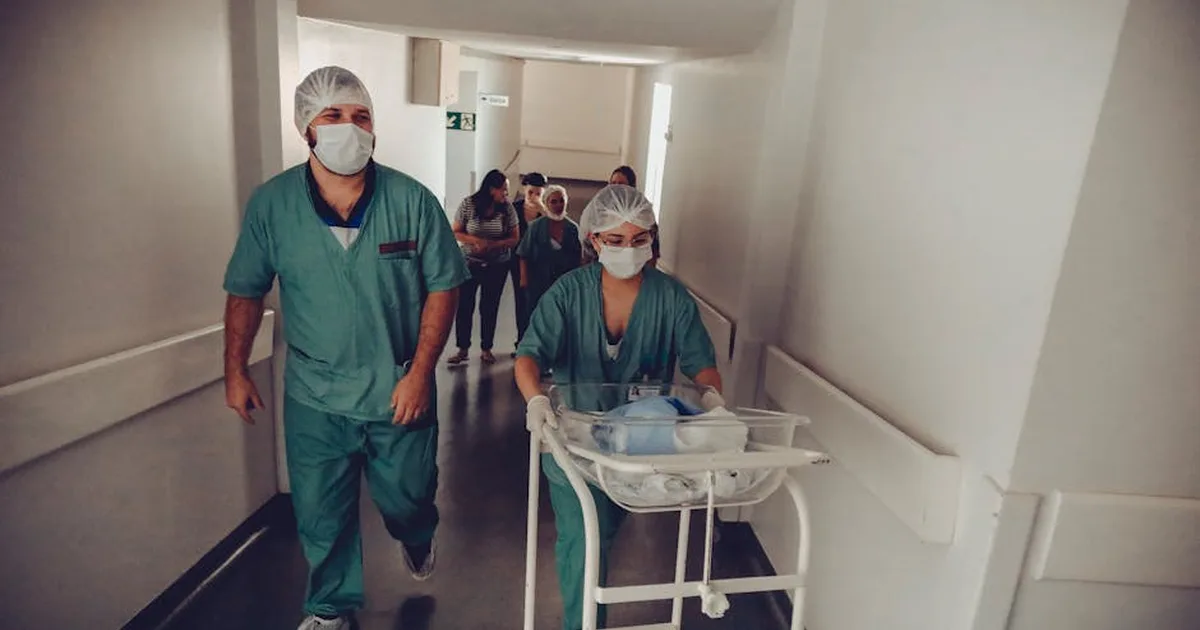
In our fast-paced world, where public figures often seem distant, these personal recollections remind us that spiritual leadership is ultimately about walking alongside people in both joy and suffering. The nurse's description of Pope Francis as "a second father" speaks to the deep relational bonds that can form when we serve others with genuine compassion. This anniversary invites us to consider how we honor those who have guided us spiritually while looking forward with hope to the future.
The Ministry of Presence in Difficult Times
What does it mean to accompany someone through their final earthly journey? The nurse's testimony highlights a truth we find throughout Scripture: God calls us to be present with one another in times of need. When Jesus told His disciples, "I am with you always, to the very end of the age" (Matthew 28:20, NIV), He established a pattern of faithful presence that we're called to emulate in our relationships.
The book of Romans encourages believers to "rejoice with those who rejoice; mourn with those who mourn" (Romans 12:15, NIV). This simple yet profound instruction reminds us that Christian community isn't just about shared beliefs—it's about shared experiences, including the difficult transitions of life. The nurse's role during Pope Francis' final days exemplifies this ministry of presence, showing how practical care and spiritual support intertwine when we serve others.
"Praise be to the God and Father of our Lord Jesus Christ, the Father of compassion and the God of all comfort, who comforts us in all our troubles, so that we can comfort those in any trouble with the comfort we ourselves receive from God." (2 Corinthians 1:3-4, NIV)
This passage beautifully illustrates how God's comfort flows through human relationships. Those who have received comfort in difficult times become channels of that same comfort to others. The nurse's experience reminds us that caregiving—whether professional or personal—becomes sacred when offered with love and respect for the dignity of each person.
Legacy and Transition in Christian Leadership
The passing of any spiritual leader naturally prompts reflection on legacy and continuity. Since Pope Francis' death, the Church has witnessed a peaceful transition to new leadership under Pope León XIV, elected in May 2025. This orderly passing of responsibility reflects the stability that has characterized Christian leadership since the early Church appointed successors to continue the apostles' work.
In the book of Acts, we see how the early Christian community navigated transitions after key leaders completed their earthly ministries. When the apostles needed help with practical ministry, they appointed deacons "full of the Spirit and wisdom" (Acts 6:3, NIV). This pattern of prayerful selection and empowerment continues today as Christian communities worldwide seek God's guidance for leadership transitions.
Every generation faces the challenge of honoring the past while embracing the future. The writer of Hebrews encourages believers to "remember your leaders, who spoke the word of God to you. Consider the outcome of their way of life and imitate their faith" (Hebrews 13:7, NIV). This balanced approach—remembering with gratitude while moving forward with hope—serves us well as we reflect on Pope Francis' legacy while supporting current spiritual leaders in their ministries.
What Makes a Spiritual Father or Mother?
The nurse's reference to Pope Francis as "a second father" points to a beautiful reality in Christian community: spiritual parenthood that transcends biological relationships. Throughout Scripture, we see examples of this kind of mentoring relationship. The apostle Paul wrote to the Corinthians, "For though you have countless guides in Christ, you do not have many fathers. For I became your father in Christ Jesus through the gospel" (1 Corinthians 4:15, ESV).
These spiritual relationships often develop through:
- Consistent guidance and teaching
- Personal investment in someone's growth
- Modeling faith through both words and actions
- Offering correction with grace when needed
- Celebrating milestones and achievements together
Whether we serve as spiritual parents or benefit from such relationships in our own lives, these connections remind us that the family of God extends beyond our biological relatives. They provide stability, wisdom, and love that help us grow in our faith journey.
Finding Meaning in Service and Memory
As we reflect on this anniversary, several important themes emerge that can enrich our own spiritual lives. First, the nurse's experience reminds us that serving others—especially in difficult circumstances—often becomes a profound spiritual journey for the caregiver as well. Jesus taught that "whoever wants to become great among you must be your servant" (Matthew 20:26, NIV), turning worldly notions of importance upside down.
Second, remembering those who have influenced us spiritually helps us maintain perspective about what truly matters. The psalmist writes, "I will remember the deeds of the Lord; yes, I will remember your wonders of old" (Psalm 77:11, ESV). While we certainly remember human leaders, our ultimate focus remains on God's faithfulness through generations.
Finally, anniversaries of loss naturally prompt us to consider our own mortality and legacy. The writer of James offers sobering yet hopeful perspective: "Why, you do not even know what will happen tomorrow. What is your life? You are a mist that appears for a little while and then vanishes" (James 4:14, NIV). This reality check isn't meant to discourage us but to help us live with greater intentionality, investing in what has eternal significance.
Practical Application: Honoring Spiritual Influences
As we conclude this reflection, consider taking one or more of these practical steps in the coming week:
- Take a few moments to thank God for the spiritual influences in your life—whether formal leaders, family members, friends, or mentors who have helped shape your faith journey.
- If possible, reach out to someone who has been a spiritual guide to you, expressing gratitude for their impact on your life.
- Reflect on how you might serve as a spiritual influence for others, whether through formal ministry or everyday relationships.
- Pray for current spiritual leaders in your community and worldwide, asking God to grant them wisdom, strength, and protection.
Reflection question: Who has served as a "spiritual parent" in your life, and how might you honor their legacy through your own actions and relationships?





Comments