
In the ever-changing history of the papacy, there are moments that transcend the office itself, revealing the personal connection between those who have borne the ministry of Peter. One such moment recently came to light with the publication of a private letter that Robert Francis Prevost OSA, now Pope Leo XIV, wrote shortly after Pope Benedict XVI's surprising resignation in 2013. This letter, now public, not only reveals the deep appreciation the then-Augustinian superior general held for his predecessor but also sheds light on spiritual continuity during times of transition.
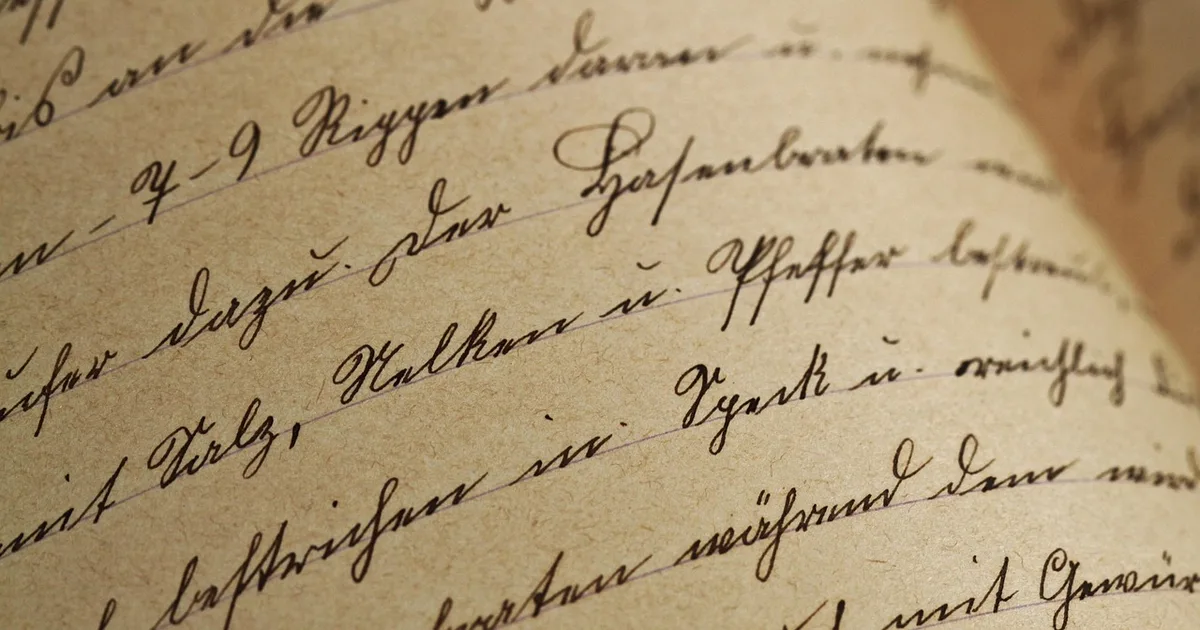
The letter emerged during a historically significant phase for the Catholic Church, when Benedict XVI became the first pope in centuries to voluntarily step down from his office. This decision sparked varied reactions worldwide and marked a turning point in modern Church history. During this uncertain time, Prevost, not yet elected pope, offered words of encouragement and recognition to Joseph Ratzinger.
What makes this letter particularly remarkable is that its author would years later be called to become Peter's successor. In May 2025, following the passing of Pope Francis on April 21 of that same year, Robert Francis Prevost was elected pope and took the name Leo XIV. The 2013 letter thus gains an additional dimension, offering insight into the spiritual disposition of the man who now leads the worldwide Catholic Church.
The Spiritual Foundations of Papal Service
At the heart of the letter is recognition of Benedict XVI's diverse work for the Church. Prevost particularly valued the German pope's clear theological teaching, his tireless promotion of faith, and his persistent search for truth. These aspects correspond to fundamental biblical principles of spiritual leadership, as already described in the New Testament.
"Be shepherds of God's flock that is under your care, watching over them—not because you must, but because you are willing, as God wants you to be; not pursuing dishonest gain, but eager to serve; not lording it over those entrusted to you, but being examples to the flock." (1 Peter 5:2-3 NIV)
The letter made special mention of Benedict's visionary understanding of the Church and his commitment to the unity of believers. These unity efforts reflect Jesus' high priestly prayer, where he prays for the unity of his followers. Prevost recognized in Benedict's work a concrete implementation of this biblical concern, which remains central to all of Christianity today.
Interestingly, since his election in May 2025, Pope Leo XIV has repeatedly placed this same theme of unity at the center of his addresses. This suggests a spiritual continuity that goes beyond personal preferences and rests on shared biblical convictions. Christian unity remains an enduring challenge and calling that different popes have addressed in various historical contexts.
The Courage of Humility: Resignation as Spiritual Witness
A particularly moving section of the letter deals with Benedict's decision to resign from the Petrine ministry. Prevost spoke of the "great courage" the pope demonstrated through this decision. This wording is notable because it values an act that some might interpret as weakness, as strength and spiritual maturity.
In a world that often equates power and position with success, Benedict's resignation presents a counter-testimony. It recalls biblical models like Moses, who handed his office to Joshua, or Paul, who encouraged his coworkers to continue his work. Prevost's letter highlights how humility and spiritual discernment can guide decisions that challenge worldly expectations.





Comments