
Amidst a conflict that has deeply marked the African nation of Cameroon, a glimmer of hope has recently emerged. The pastoral visit of Pope Leo XIV to the region has yielded unexpected and significant fruits, demonstrating once again how faith can become a bridge where there seemed to be only chasms. Since his election in May 2025, the new pontiff has shown a special commitment to areas of the world suffering from violence and division.
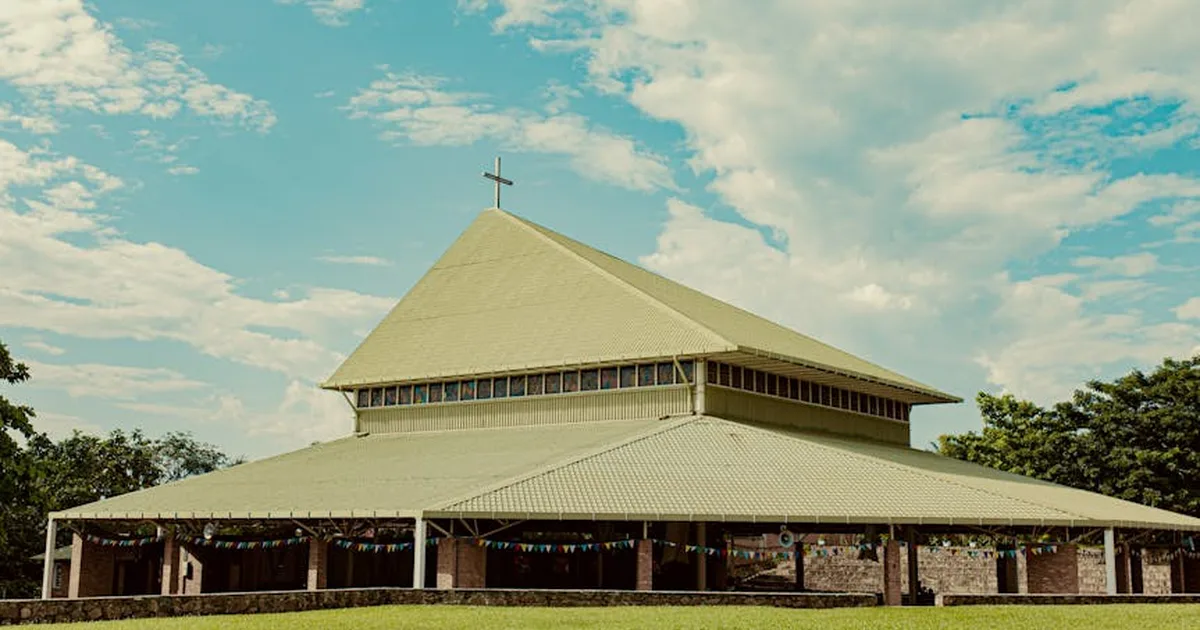
The situation in Cameroon's English-speaking regions had been particularly difficult for years, with tensions affecting the daily lives of thousands of Christian families. Many faith communities had prayed constantly for a peaceful solution, asking God to touch the hearts of all involved. The answer to those prayers came in a way few anticipated, reminding us that God's ways often surpass our human understanding.
The Transformative Power of Pastoral Presence
When Pope Leo XIV's visit to Bamenda was announced, many international observers expressed skepticism about what a religious figure could achieve in such an entrenched conflict. However, history teaches us that when spiritual leaders act with authenticity and compassion, they can open doors that seemed locked. The simple decision to travel to a conflict zone sends a powerful message: every human life has infinite value in God's eyes.
The pontiff, known for his pastoral approach since his years as a cardinal, came to Cameroon not as a negotiating politician, but as a shepherd concerned for his flock. This distinction is crucial, as it reflects the very nature of Christian ministry: to accompany, listen, and heal. In his initial message, he quoted Jesus' words from Matthew's Gospel:
"Blessed are the peacemakers, for they will be called children of God" (Matthew 5:9, NIV).These words resonated deeply in a context where peace seemed a distant goal.
A Gesture That Changes Dynamics
The extraordinary development occurred when, in response to the papal visit, the Alliance for Unity—which brings together several movements—announced a temporary ceasefire. This decision was not merely political but was explicitly grounded in human and spiritual values. Their statements mentioned "responsibility, moderation, and respect for human dignity" as primary motivations, concepts that find direct echo in Christian teaching about the value of every person created in God's image.
This development invites us to reflect on how the authentic presence of faith witnesses can create spaces for dialogue where before there were only opposing monologues. It wasn't about imposing solutions from outside, but about creating conditions for Cameroonians themselves to find paths to reconciliation. As the apostle Paul wrote:
"For the Spirit God gave us does not make us timid, but gives us power, love and self-discipline" (2 Timothy 1:7, NIV).This spirit of love and self-discipline was precisely what enabled this advance toward peace.
Spiritual Lessons for Times of Conflict
The Cameroon experience offers several valuable lessons for any Christian living in contexts of tension, whether in their family, community, or nation. First, it reminds us that persistent prayer for peace is never in vain, even if results may take time to become visible. Second, it shows that physical presence and concrete accompaniment often speak louder than declarations from a distance.
The Bible is full of examples where God uses ordinary people to achieve extraordinary purposes of reconciliation. Joseph reconciling with his brothers who had sold him into slavery demonstrates how forgiveness can transform even the deepest wounds. The early Christian community, composed of Jews and Gentiles with profound cultural differences, shows how the Holy Spirit can create unity where human wisdom sees only division.
As we reflect on what happened in Cameroon, we're invited to ask ourselves: How can we be instruments of peace in our own contexts? Perhaps it begins with a simple gesture of listening without prejudice, or with a prayer for those we consider adversaries. The Christian faith teaches that reconciliation is not just a political or social process—it's a spiritual journey that requires humility, courage, and trust in God's transforming power.

Comments