
In many churches worldwide, a remarkable trend has emerged in recent years: young people are showing growing interest in traditional forms of worship. This movement isn't limited to any particular region but can be found in Europe, North and South America, and other parts of the world. Many pastors and church leaders report an unexpected attraction to liturgical elements among younger generations.
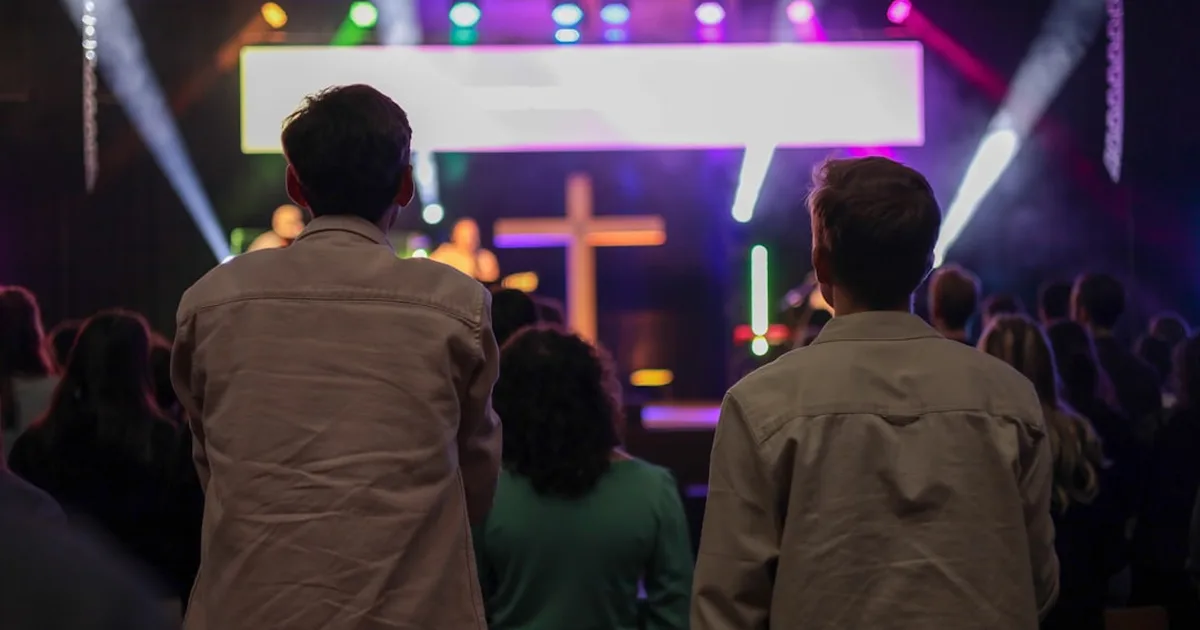
This phenomenon raises interesting questions about the development of Christian community life in the 21st century. While some observers speak of a "retreat" into old forms, others see it as an authentic search for spiritual depth and continuity. Experience shows that young believers often appreciate a blend of traditional and contemporary elements that fits their faith journey.
The Book of Acts describes how the early church cultivated various forms of community: "They devoted themselves to the apostles' teaching and to fellowship, to the breaking of bread and to prayer" (Acts 2:42, NIV). This diversity of expressions appears to remain relevant today for vibrant faith practice.
Theological Perspectives on Liturgical Diversity
From a theological perspective, the Bible doesn't prescribe a uniform worship order but emphasizes certain fundamental elements of Christian gathering. The apostle Paul writes to the church in Corinth: "What then shall we say, brothers and sisters? When you come together, each of you has a hymn, or a word of instruction, a revelation, a tongue or an interpretation. Everything must be done so that the church may be built up" (1 Corinthians 14:26, NIV).
This biblical perspective opens space for various expressions of faith, as long as they serve to build up the community. Traditional liturgical elements can serve an important function by connecting to the historical church and making continuity visible through changing times.
At the same time, Scripture warns against mere formalism: "These people honor me with their lips, but their hearts are far from me" (Mark 7:6, NIV). The external form of worship should always correspond to and foster inner spiritual life, rather than replace it.
Historical Continuity and Contemporary Relevance
Many traditional liturgical elements have roots in centuries-old Christian practice. Regular Scripture reading, communal prayer, and celebration of sacraments have been constants in Christian worship design throughout history.
For young people growing up in a fast-paced, digital world, these traditional forms can offer a welcome alternative. They create space for silence, contemplation, and more conscious awareness of the sacred. In an age of constant availability and distraction, structured encounter with God in worship gains new significance.
Pastoral Challenges and Opportunities
For church leaders, the growing demand for traditional worship forms presents both challenges and opportunities. On one hand, it's necessary to consider different needs and preferences within the congregation. On the other hand, there's potential to bring different generations together through intentional design of community life.
A balanced approach might involve offering different worship forms within one congregation that allow for various expressions of faith. What's always important is theological grounding and orientation toward Christ as the center of faith.
The letter to the Hebrews encourages Christians: "Let us hold unswervingly to the hope we profess, for he who promised is faithful. And let us consider how we may spur one another on toward love and good deeds, not giving up meeting together, as some are in the habit of doing, but encouraging one another—and all the more as you see the Day approaching" (Hebrews 10:23-25, NIV). This exhortation underscores the central importance of community gathering, regardless of its specific form.
In today's fragmented world, where many young people experience digital overload and social isolation, structured worship traditions can provide much-needed stability and connection. They offer a counter-cultural space where time moves differently, where ancient words and practices connect believers across centuries.





Comments