
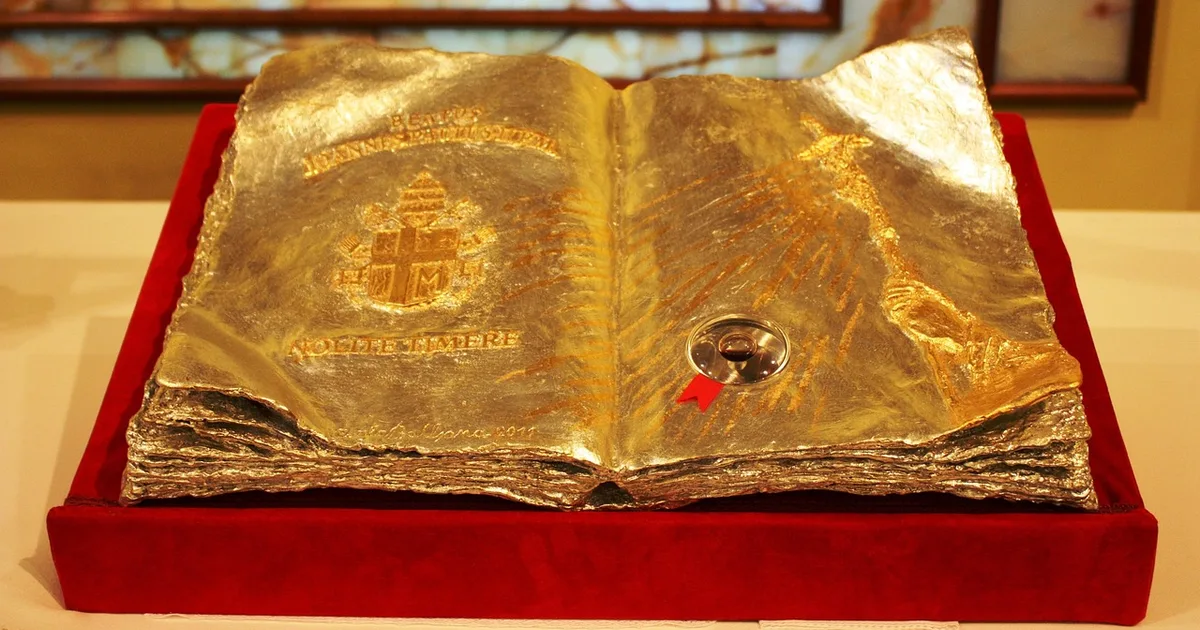
Four decades ago, an event took place that profoundly shaped relations between Christians and Jews. On April 13, 1986, Pope John Paul II became the first head of the Catholic Church to visit the Great Synagogue in Rome. This visit marked a crucial turning point in interreligious dialogue, opening doors to a new era of understanding and reconciliation.
The Importance of Jewish-Christian Dialogue
The relationship between Christianity and Judaism is of a special nature, as both religions share common roots. The Old Testament, which we recognize as Holy Scripture, connects us with Jewish tradition. In the Bible, we find numerous passages that emphasize this special connection. As we read in Romans: "Much in every way! First of all, the Jews have been entrusted with the very words of God" (Romans 3:2 NIV). This common foundation forms the basis for respectful exchange.
Theological Foundations of the Encounter
The encounter between Christians and Jews is grounded in biblical principles. The Apostle Paul writes in Galatians: "There is neither Jew nor Gentile, neither slave nor free, nor is there male and female, for you are all one in Christ Jesus" (Galatians 3:28 NIV). These words remind us of the fundamental equality of all people before God, regardless of their religious affiliation.
"For he himself is our peace, who has made the two groups one and has destroyed the barrier, the dividing wall of hostility." (Ephesians 2:14 NIV)
The Historic Encounter in Detail
Pope John Paul II's visit to the synagogue was carefully prepared and filled with great symbolism. The Pope was welcomed by Chief Rabbi Elio Toaff, and together they prayed for peace and understanding between religions. This gesture of recognition and respect sent a powerful message to the world community.
During the visit, the Pope emphasized the special connection between Christians and Jews, referring to them as "our elder brothers." This formulation was deliberately chosen and reflects the deep connection that persists despite theological differences.
The Impact on Interreligious Dialogue
This historic visit had several significant consequences:
- It opened the way for regular meetings between Catholic and Jewish representatives
- It promoted mutual understanding and the reduction of prejudices
- It inspired similar initiatives in other Christian denominations
- It contributed to the development of a theology of dialogue
Biblical Perspectives on Relationships with Other Believers
The Bible offers us valuable guidance for interacting with people of other faiths. In 1 Peter we read: "But in your hearts revere Christ as Lord. Always be prepared to give an answer to everyone who asks you to give the reason for the hope that you have. But do this with gentleness and respect" (1 Peter 3:15 NIV). This verse encourages us to bear witness to our faith while always remaining respectful and empathetic.
Other relevant biblical passages concerning interreligious dialogue are:
- Jeremiah 29:7: "Also, seek the peace and prosperity of the city to which I have carried you into exile. Pray to the Lord for it, because if it prospers, you too will prosper." (NIV)
- Acts 17:26-27: "From one man he made all the nations, that they should inhabit the whole earth; and he marked out their appointed times in history and the boundaries of their lands. God did this so that they would seek him and perhaps reach out for him and find him." (NIV)
- Matthew 5:9: "Blessed are the peacemakers, for they will be called children of God." (NIV)





Comments