
India is known as the world's largest democracy, with over 1.4 billion people. It is also a deeply religious country: according to the 2011 census, 99% of the population professes some faith. Yet behind this spiritual façade lies a painful reality: approximately 15 million abortions are performed each year—a number equal to the entire population of countries like Cambodia or Zambia. This paradox has moved many Christians and people of good will to raise their voices in defense of the unborn.
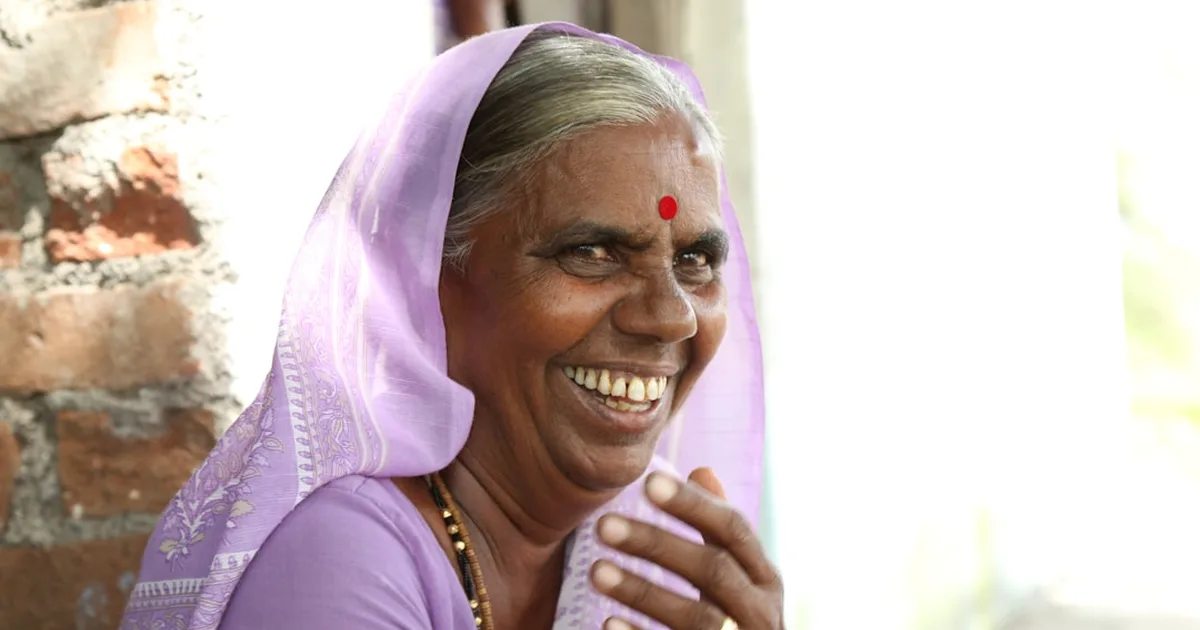
In the midst of this crisis, Sister Maria Teresa, a Catholic nun who has dedicated her life to serving the most vulnerable, leads a pro-life movement seeking to change hearts and laws. Her work is not easy, but her faith in God and love for life sustain her day after day.
Sister Maria Teresa: A Prophetic Voice in the Wilderness
Sister Maria Teresa, of the Congregation of the Sisters of Charity, has worked for over twenty years in the poorest areas of India. Her ministry began by caring for single mothers and abandoned children, but she soon realized that abortion was a major cause of suffering in the communities she served.
"Every time a woman comes to us thinking about abortion, we know there is a story of despair behind it," the nun explains. "Often they are pressured by their families or by lack of resources. Our work is to offer them alternatives and show them that there is hope."
Her organization, "Hands That Save Lives," has established support networks including shelters, legal and spiritual counseling, and job training programs for at-risk mothers. So far, they have saved over 10,000 babies from abortion.
The Legal and Cultural Challenge
India legalized abortion in 1971, and since then laws have become more permissive. In 2021, a reform extended the legal limit for abortion to 24 weeks of gestation in certain cases. For pro-life advocates, this represents a huge setback.
"The culture of death has infiltrated our society," laments Sister Maria Teresa. "But we believe that every life is a gift from God, as Psalm 139:13-14 says: 'For you created my inmost being; you knit me together in my mother’s womb. I praise you because I am fearfully and wonderfully made.' That is our biblical foundation."
Beyond the legal framework, abortion in India is driven by a cultural preference for male children, leading to the elimination of female fetuses. This has created an alarming demographic imbalance: according to the 2011 census, there are 940 women for every 1000 men.
The Response of the Church and Christian Community
The Church in India, both Catholic and Protestant, has taken a firm stand in defense of life. Various denominations have united in campaigns like "Yes to Life," which promotes adoption and support for pregnant mothers.
Pastor Samuel, leader of an evangelical church in Mumbai, comments: "The Bible calls us to be a voice for the voiceless. In Proverbs 31:8-9 we read: 'Speak up for those who cannot speak for themselves, defend the rights of the poor and needy.' That includes unborn children."
Local churches also organize values-based sex education workshops, where young people are taught the importance of abstinence and fidelity, as well as respect for life from conception.
Stories of Hope
One of the most impactful stories is that of Priya, a 19-year-old who came to Sister Maria Teresa's shelter after her family pressured her to abort. "I was alone and scared," Priya recalls. "But the sisters gave me a home and helped me see that my baby was





Comments