
Many of us have felt that stirring—a deep sense that God might be calling us to serve beyond our borders. Perhaps it came during a short-term trip, a documentary about refugees, or a conversation with a missionary. For college students, this spark often ignites through campus ministries that expose them to the needs of unreached people groups and the urgency of the Great Commission. But while campus ministries are excellent at fanning the flames of missionary ambition, they are not designed to be the sole training ground for lifelong service. The local church is where that calling must be nurtured, tested, and sent.
The apostle Paul wrote, 'And he gave the apostles, the prophets, the evangelists, the shepherds and teachers, to equip the saints for the work of ministry, for building up the body of Christ' (Ephesians 4:11-12, ESV). The church is the primary context for equipping believers. Campus ministries can partner with churches, but they cannot replace them. When a young believer’s missionary zeal is rooted in the local church, it gains stability, accountability, and the support of a spiritual family.
Why the Church Matters for Missionary Development
Character Formation Over Skill Acquisition
Missionary work is not just about skills—language learning, cultural adaptation, or evangelism techniques. It is fundamentally about character. The church provides a long-term environment where character is tested and refined. In the context of small groups, membership commitments, and pastoral care, individuals learn patience, humility, and perseverance. These are the fruit of the Spirit that no short-term training program can produce overnight.
Consider the example of Barnabas in Acts. When the church in Jerusalem heard about the new believers in Antioch, they sent Barnabas—a man described as 'good, full of the Holy Spirit and of faith' (Acts 11:24, ESV). Barnabas didn't just teach them; he walked alongside them, encouraging them to remain true to the Lord. The church recognized his character and deployed him accordingly. In the same way, when a local church assesses and affirms a person’s character, it provides a foundation that no campus ministry can give alone.
Theological Depth Through Teaching and Life
Missionaries need more than a passion for the unreached; they need a robust understanding of God's Word. While campus ministries offer Bible studies, the local church offers systematic teaching over years. Through sermons, catechism classes, and discipleship relationships, believers develop a theological framework that can withstand the challenges of cross-cultural ministry. The church also provides opportunities to wrestle with difficult doctrines under the guidance of seasoned pastors and elders.
Paul's instruction to Timothy is relevant: 'Follow the pattern of the sound words that you have heard from me, in the faith and love that are in Christ Jesus. By the Holy Spirit who dwells within us, guard the good deposit entrusted to you' (2 Timothy 1:13-14, ESV). The 'good deposit' is the apostolic teaching, which the church preserves and passes on. A missionary who is theologically grounded is less likely to be swayed by false teachings or to burn out from confusion.
Accountability and Community Support
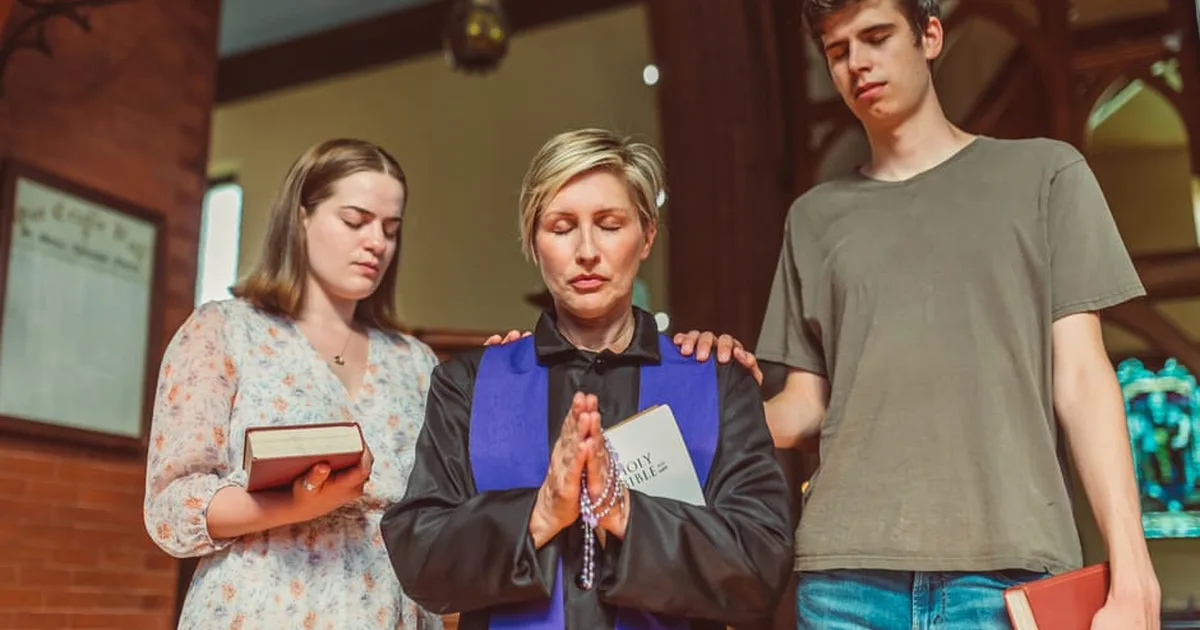
Missionary work is isolating. Without a church community, a missionary can easily drift into unhealthy patterns or lose sight of their purpose. The local church provides a network of relationships that offer prayer, financial support, and emotional encouragement. In Acts 13, the church in Antioch fasted, prayed, and laid hands on Paul and Barnabas before sending them out. That commissioning was not a mere ceremony; it was an act of partnership that continued through letters and visits.
Today, churches can support missionaries through regular communication, care packages, and home assignments that allow for rest and recharging. When a missionary knows they are not alone, they can endure hardships with greater resilience. The author of Hebrews writes, 'And let us consider how to stir up one another to love and good works' (Hebrews 10:24, ESV). The church is designed to do this across geographical distances.
Bridging Campus Ministry and Church
Campus ministries often reach students at a pivotal time—when they are forming their worldview and making life decisions. But if these ministries operate in isolation, students may graduate without a deep connection to a local church. The ideal scenario is a partnership where campus ministries introduce students to the global mission of God and then intentionally connect them to a church that can continue their discipleship.
One practical way this can happen is through intergenerational community groups. When a college student joins a group that includes families, empty nesters, and singles, they gain a broader perspective on the Christian life. They see how faith is lived out in different seasons. They also benefit from the wisdom of older believers who have walked with God for decades.
For example, a young woman named Sarah (not her real name) was saved through a campus ministry during her sophomore year. She felt a strong call to serve among unreached people in Southeast Asia. Her campus leader, instead of trying to prepare her alone, connected her with a local church that had a history of sending missionaries. The church put her in an intergenerational small group, provided theological training through a Sunday school class, and helped her raise support. When she finally moved overseas, she went as a representative of her church, not just as an individual. Her sending church continues to pray for her and communicate with her regularly.
Practical Steps for Churches and Campus Ministries
For Campus Ministries
- Intentionally connect students to local churches, not just to your own events.
- Invite church leaders to speak at your gatherings and build relationships with students.
- Encourage students to become members of a church and serve in its ministries.
- When a student expresses a missionary calling, involve the church early in the discernment process.
For Local Churches
- Welcome college students and invest in them, even if they are only in town for a few years.
- Create pathways for students to explore missions through short-term trips, internships, or mentoring.
- Develop a missions committee that can assess and support candidates from within the congregation.
- Provide financial training and accountability for those raising support.
For Individual Believers
If you feel a pull toward missions, do not rush to go alone. Seek the counsel of your church leaders and submit to their authority. Join a small group where you can be known and challenged. Build relationships with older Christians who can speak into your life. Remember that the Great Commission was given to the church, not to isolated individuals. As you go, let the church go with you.
Conclusion: A Shared Vision for God's Glory
The mission of God is too important to be left to any single organization. Campus ministries, churches, and individual believers must work together to raise up workers for the harvest. When a missionary is rooted in the local church, they are not only better prepared but also have a lasting support system that can sustain them for a lifetime of service. The church is not just a launching pad; it is a sending base, a prayer team, and a family.
As Jesus said, 'Go therefore and make disciples of all nations, baptizing them in the name of the Father and of the Son and of the Holy Spirit, teaching them to observe all that I have commanded you. And behold, I am with you always, to the end of the age' (Matthew 28:19-20, ESV). This promise is for the church, and it is through the church that we carry out this commission together.
Reflection Question: How can your church or campus ministry better partner to prepare and support the next generation of missionaries? What is one step you can take this week to strengthen that connection?




Comments