
There comes a moment in every believer's life when the words of a prayer feel heavy, almost impossible to speak. You once prayed with fervor for a loved one's heart to turn toward God. You interceded daily for healing in a broken relationship. You begged for freedom from a recurring sin. But as the days turned into months and then years, the fire dimmed. The silence from heaven seemed to grow louder, and your prayers became shorter, less frequent, until they almost stopped altogether.
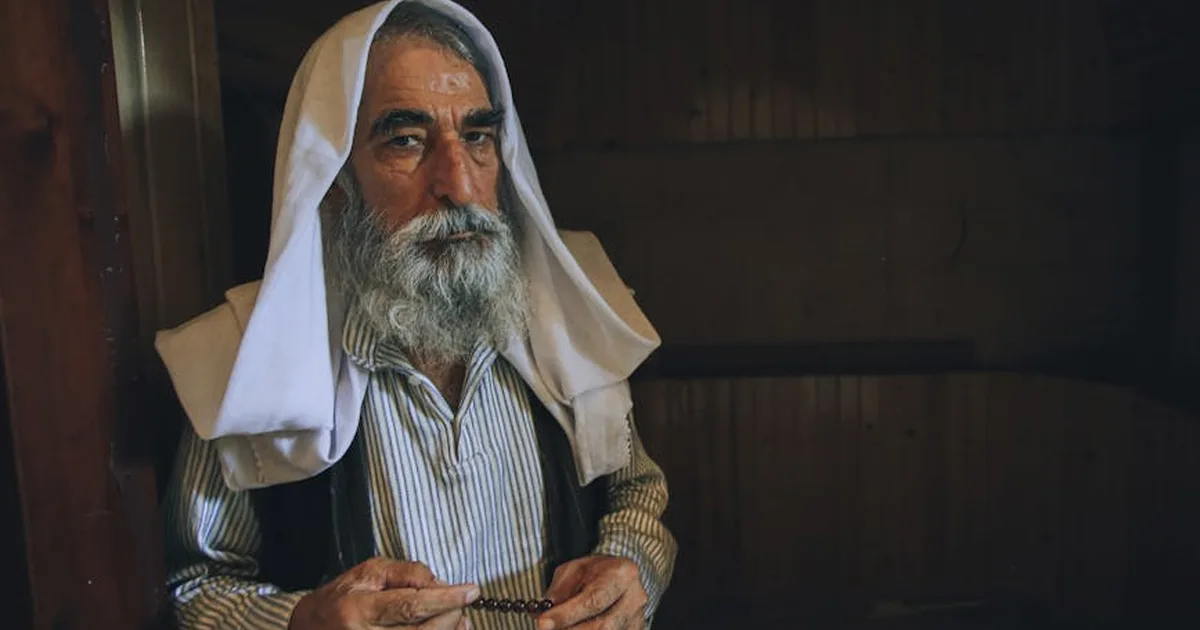
If that describes where you are right now, you are not alone. Many Christians have walked this road of fading hope. The apostle Paul understood this struggle when he wrote, 'We do not lose heart. Though outwardly we are wasting away, yet inwardly we are being renewed day by day' (2 Corinthians 4:16, NIV). But how do we keep from losing heart when God seems distant? How do we find the strength to keep asking, keep seeking, keep knocking?
Learning from a Man Who Prayed for Fifty Years
George Müller, a 19th-century pastor and orphanage founder, is famous for his extraordinary answers to prayer. He once said that in his lifetime he had received thirty thousand answers to prayer, often within hours of asking. Yet even Müller knew the agony of long delays. In 1844, he began praying daily for the salvation of five friends. The first came to faith after eighteen months. The second after five years. The third after eleven years. But the last two remained unconverted for over forty years. Müller kept praying every single day until his death. He never saw them saved, but he never stopped asking.
Müller's example teaches us something profound: persistent prayer is not about manipulating God or wearing Him down. It is about aligning our hearts with His will and trusting His timing, even when we cannot see the outcome. As he wrote, 'When once I am persuaded that a thing is right and for the glory of God, I go on praying for it until the answer comes.'
Why We Give Up Too Soon
Our culture conditions us to expect instant results. We microwave meals, stream movies on demand, and send messages that arrive in seconds. Prayer, however, operates on a different timeline. God's delays are not denials. They are invitations to deepen our trust and refine our desires. The psalmist wrote, 'Wait for the Lord; be strong and take heart and wait for the Lord' (Psalm 27:14, NIV). Waiting is not passive resignation; it is active, expectant hope.
Yet we often stop praying because our hope has eroded. We begin to believe that change is impossible, that the person will never change, that the relationship is beyond repair, that we are stuck forever. But the Bible tells a different story. Jesus said, 'With man this is impossible, but with God all things are possible' (Matthew 19:26, ESV). When we stop praying, we are essentially saying that our problem is bigger than God. But no situation is beyond His reach.
Practical Steps to Reignite Your Prayer Life
If you have stopped praying for a long-standing request, here are four steps to help you begin again.
1. Acknowledge Your Weariness
Bring your honest feelings to God. Tell Him you are tired, discouraged, and tempted to give up. The psalms are full of raw, honest laments. 'How long, Lord? Will you forget me forever?' (Psalm 13:1, NIV). God can handle your honesty. In fact, He welcomes it. Pretending to be strong when you are weak only creates distance. Let your weakness be the very place where His strength meets you.
2. Recall Past Faithfulness
Remember times when God answered your prayers in the past. Write them down. Keep a journal of His provision. When you see how He has worked before, your faith for the present is strengthened. The Israelites were commanded to set up stones of remembrance so future generations would remember God's deliverance (Joshua 4:6-7). Do the same in your own life.
3. Pray with a Partner
Jesus promised, 'Where two or three gather in my name, there am I with them' (Matthew 18:20, NIV). Find a trusted friend or a small group who will pray with you for the same request. Shared prayer breaks the isolation of waiting and multiplies hope. Müller himself often shared his prayer requests with others, and he saw God move in remarkable ways.
4. Focus on God's Character, Not the Outcome
Shift your attention from the unanswered request to the God who hears you. Meditate on His goodness, His love, and His sovereignty. The more you know Him, the more you trust Him. As you spend time in His presence, your desires begin to align with His will. Sometimes the greatest answer to prayer is a transformed heart that learns to say, 'Not my will, but yours be done' (Luke 22:42, NIV).
When the Answer Never Comes in This Life
It is a painful truth that some prayers are not answered in the way we hoped, at least not in this lifetime. Müller died without seeing his last two friends converted. Yet he died in faith, confident that God would one day answer. The writer of Hebrews reminds us that all the heroes of faith 'did not receive what was promised' in their earthly lives, but they saw it from a distance and welcomed it (Hebrews 11:13, NIV).
Our hope is not limited to what we can see now. The ultimate breakthrough is yet to come when Christ returns and makes all things new. Until then, we pray not because we must, but because we have a Father who delights to hear His children. We pray because prayer is the language of relationship, not just a request line. And we pray because every prayer, whether answered quickly or after a lifetime, draws us closer to the One who is the answer to every deep longing of our souls.
A Final Encouragement
If you have stopped praying for that seemingly impossible situation, will you begin again today? Not with a sense of duty, but with a renewed hope that the God who hears you is faithful. He has not forgotten your request. He has not turned a deaf ear. He is working in ways you cannot see, preparing an answer that may be far greater than what you imagined. Keep praying. Keep trusting. Keep hoping. The breakthrough may be closer than you think.
'Therefore I tell you, whatever you ask for in prayer, believe that you have received it, and it will be yours.' — Mark 11:24, NIV



Comments