
Lent is a 40-day period of preparation for Easter, marked by fasting, prayer, and almsgiving. Many Christians wonder: what can you eat during Lent? Traditions vary among denominations, but the focus is on simplicity and sacrifice. In this article, we'll explore common food practices during Lent, based on the Bible and Christian traditions.
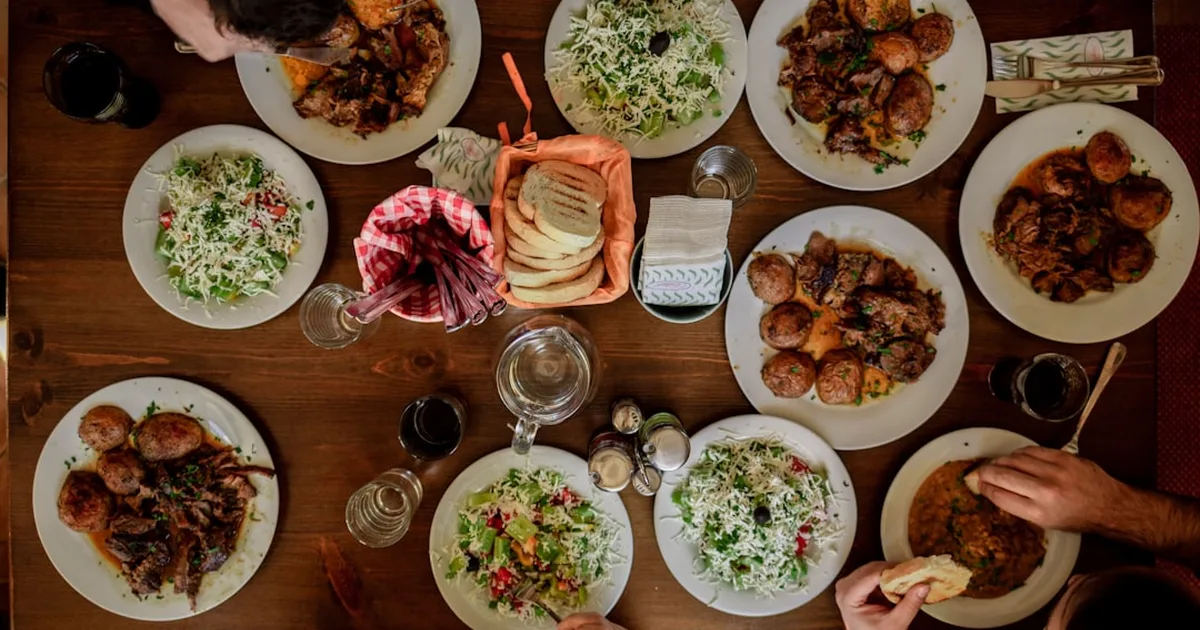
The goal is not to create strict rules, but to offer guidance that helps you live this season with more meaning. After all, what you eat during Lent reflects a spiritual choice, not just a dietary one.
Fasting and Abstinence in Christian Tradition
Fasting and abstinence are ancient practices in the Church. Jesus himself fasted for 40 days in the wilderness (Matthew 4:1-2). Following his example, Christians adopted fasting as a way to draw closer to God. During Lent, fasting usually means reducing the amount of food, while abstinence involves avoiding certain foods, especially meat.
What Does the Bible Say About Fasting and Food?
The Bible does not give a specific list of forbidden foods during Lent. In the Old Testament, fasting was accompanied by repentance and humility (Joel 2:12). In the New Testament, Jesus teaches that fasting should be done in secret, with joy (Matthew 6:16-18). What matters is the heart, not the food itself.
“When you fast, do not look somber as the hypocrites do, for they disfigure their faces to show others they are fasting. Truly I tell you, they have received their reward in full. But when you fast, put oil on your head and wash your face, so that it will not be obvious to others that you are fasting, but only to your Father, who is unseen; and your Father, who sees what is done in secret, will reward you.” (Matthew 6:16-18, NIV)
Common Practices About What to Eat During Lent
Traditions vary among Catholics, Orthodox, and Protestants. In the Catholic Church, abstinence from meat is required on Ash Wednesday and Fridays of Lent. In the Orthodox tradition, abstinence is stricter, including the exclusion of meat, dairy, eggs, and even oil on some days. For Protestants, there are no universal rules, but many choose to fast personally.
Allowed and Forbidden Foods During Lent
In general, what you can eat during Lent includes: fish, seafood, legumes, vegetables, fruits, grains, and breads. Meats from land animals (beef, chicken, pork) are avoided, especially on Fridays. The idea is to replace meat with simpler, more affordable foods.
- Fish and seafood (salmon, sardines, shrimp, etc.)
- Legumes and vegetables (broccoli, spinach, carrots, etc.)
- Grains (rice, beans, lentils, quinoa)
- Fresh and dried fruits
- Breads and pastas without eggs or milk (in Orthodox tradition)
Foods generally avoided: red and white meats, dairy (in some traditions), eggs (in some traditions), and alcoholic beverages.
How to Live Lent with Purpose
More than following rules, Lent is an invitation to inner transformation. Ask yourself: what can I eat during Lent that helps me focus on God? Fasting is not an end in itself, but a means to pray more, serve others, and cultivate gratitude.
A practical tip is to use the money saved on simpler foods to donate to those in need. This combines fasting, charity, and prayer—the three pillars of Lent.
Meal Ideas for Lent
To help you on your journey, here are some meal suggestions that follow Lenten traditions:
- Lentil soup with vegetables
- Baked fish with potatoes and green salad
- Mushroom risotto with brown rice
- Tuna sandwich on whole-wheat bread with vegetables
- Seasonal fruit for dessert




Comments