
Death is a mystery that every person will face, and for Christians, it raises profound questions about what happens next. The Bible offers comfort and clarity, assuring believers that death is not the end but a transition into the presence of God. While some traditions teach "soul sleep," where the soul rests unconscious until the resurrection, Scripture points to a more immediate reality: to be absent from the body is to be present with the Lord (2 Corinthians 5:8). This article explores what the Bible says about the moments after death, offering hope and practical reflection for those who grieve or wonder.
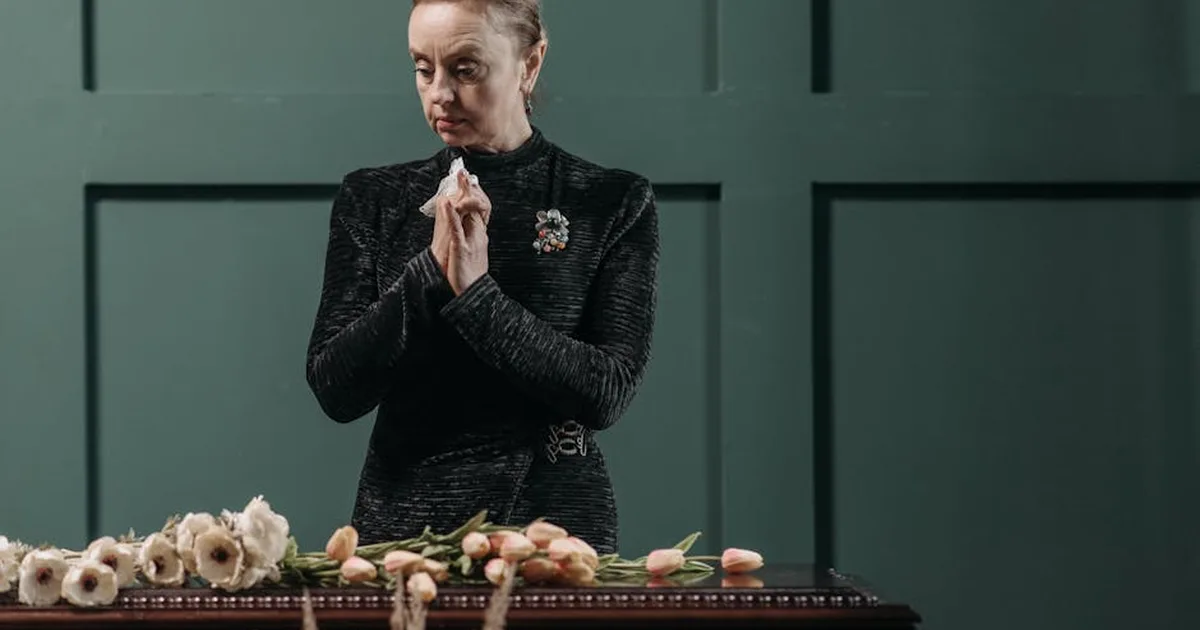
What Does the Bible Say About the Soul After Death?
The Promise of Immediate Presence
In 2 Corinthians 5:8, Paul writes, "We are of good courage, I say, and prefer rather to be absent from the body and to be at home with the Lord" (NASB). This verse suggests that at the moment of death, believers enter directly into Christ's presence. Similarly, Jesus tells the repentant thief on the cross, "Truly, I say to you, today you will be with Me in Paradise" (Luke 23:43). The word "today" indicates no waiting period—immediate fellowship with God.
"We are confident, I say, and willing rather to be absent from the body, and to be present with the Lord." — 2 Corinthians 5:8 (KJV)
The Intermediate State
Theologians refer to this period between death and the final resurrection as the "intermediate state." While our bodies rest in the grave, our souls are conscious and with Christ. Philippians 1:23 captures Paul's desire: "I am torn between the two: I desire to depart and be with Christ, which is better by far." This is not a state of sleep but of joyful awareness in God's presence. Revelation 6:9-11 depicts the souls of martyrs under the altar, crying out to God—conscious and active.
Common Misunderstandings About Death
Soul Sleep vs. Conscious Afterlife
Some Christians believe in "soul sleep," based on passages like Daniel 12:2 and John 11:11 where death is described as sleep. However, this metaphor refers to the body's rest, not the soul's unconsciousness. Jesus raised Lazarus after four days, and Lazarus did not report any dreamless sleep—he was simply with the Lord. The consistent biblical witness is that believers are alive in Christ even after physical death (Romans 8:38-39).
Purgatory and Other Traditions
While some denominations teach purgatory as a place of purification, this concept is not explicitly found in Scripture. Hebrews 9:27 states, "It is appointed for men to die once, and after this comes judgment." For believers, Christ's sacrifice fully cleanses us; we are made perfect in Him (Hebrews 10:14). The intermediate state is not a place of suffering but of rest and peace in God's presence.
Hope for the Grieving: What This Means for Us
Understanding that our loved ones in Christ are immediately with God brings profound comfort. We do not grieve like those without hope (1 Thessalonians 4:13). Death is a doorway, not a wall. This hope transforms how we live: we can face our own mortality with courage, knowing that to live is Christ and to die is gain (Philippians 1:21). It also calls us to share this hope with others, pointing them to the One who conquered death.
As you reflect on these truths, consider this: If you were to die tonight, are you confident that you would be with Jesus? The Bible offers assurance through faith in Christ alone. Take time to examine your heart and rest in the promise that for those who believe, death is not the end but the beginning of eternal joy.



Comments