
In a world where we can stockpile almost anything—food, money, even digital memories—the idea of living one day at a time can feel unsettling. We like to plan ahead, to have backup plans, to ensure we never face scarcity. But what if God designed faith to thrive precisely in the space where our resources run out?
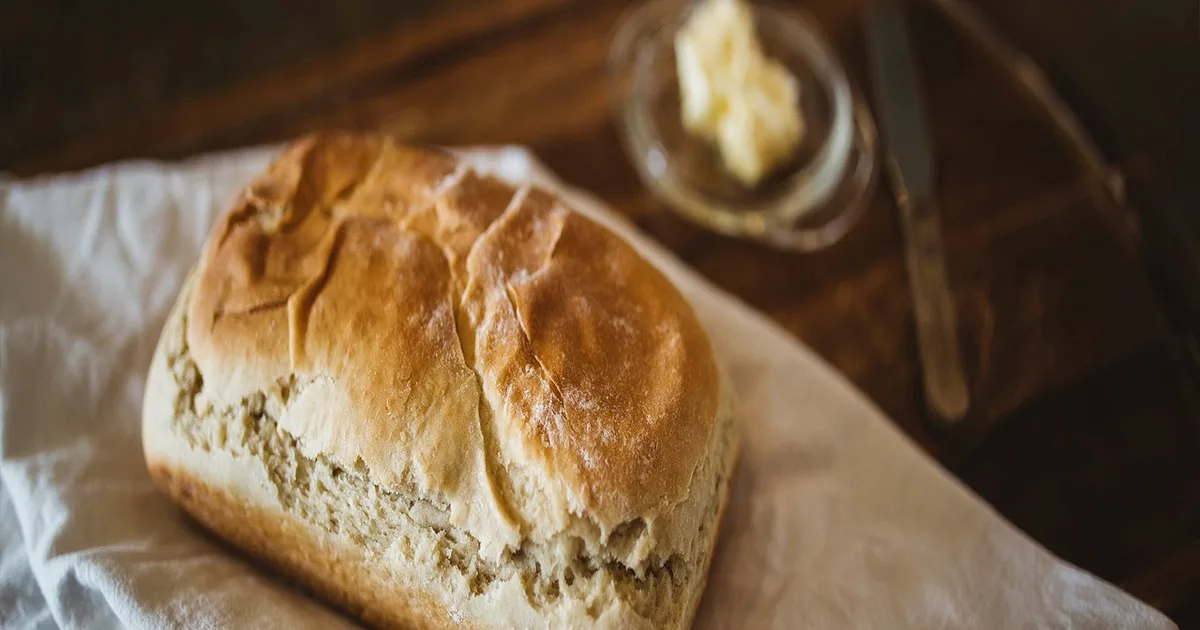
The Israelites knew this space well. Fresh out of Egypt, they stood in a barren wilderness with no grocery stores, no refrigerators, and no visible source of food. Their situation was desperate. But God had a plan: He would rain bread from heaven every morning, enough for that day only. As Exodus 16:4 records, 'Then the Lord said to Moses, “Behold, I am about to rain bread from heaven for you, and the people shall go out and gather a day’s portion every day, that I may test them, whether they will walk in my law or not.”'
This daily provision was not just about filling stomachs; it was a test of trust. Would they believe that God would show up tomorrow? Or would they try to hoard today’s manna out of fear? The answer, as we know, was messy. Some gathered extra, and it bred worms and stank (Exodus 16:20). God wanted them—and us—to learn that true security is found not in our stores but in His faithful character.
The Refrigerator as a Spiritual Metaphor
Our modern conveniences can subtly undermine this lesson. Refrigerators, freezers, and pantries allow us to preserve food for weeks. We can buy in bulk and forget about tomorrow’s meal. But this ease can foster an illusion of self-sufficiency. We begin to rely on our own planning rather than on God’s daily grace.
Yet Jesus taught us to pray, 'Give us this day our daily bread' (Matthew 6:11). The word 'daily' echoes the wilderness manna. It’s a petition that acknowledges our dependence on God for even the most basic needs. When we pray this, we confess that we are not in control. We are asking for enough for today—and trusting Him for tomorrow.
This doesn’t mean we shouldn’t save or plan wisely. Scripture praises the ant for storing in summer (Proverbs 6:6-8). But our planning should never replace our trust. The test of daily bread reveals where our hearts truly rest. Do we rest in our bank accounts, our retirement funds, or our well-stocked pantries? Or do we rest in the God who provides day by day?
Walking the Tightrope of Faith
The life of faith is often compared to a walk, but sometimes it feels more like a tightrope. Peter stepping out of the boat onto stormy waves (Matthew 14:29) is a vivid picture. He didn’t have a backup plan; he had only Jesus’ command and His promise. For a moment, he walked on water. Then fear took over, and he began to sink. But Jesus reached out and caught him.
Like Peter, we are called to step out in faith daily. This might mean trusting God for a job, for healing, for reconciliation in a broken relationship, or for the strength to face a difficult day. The trial of daily bread is not just about physical food; it’s about every area where we feel inadequate. God invites us to bring our emptiness to Him and receive His sufficiency.
“And my God will supply every need of yours according to his riches in glory in Christ Jesus.” — Philippians 4:19 (ESV)
This promise is not a blank check for every want, but a guarantee that God will provide what we truly need to follow Him. The wilderness taught Israel that manna was enough. It was not luxurious, but it sustained life. Similarly, God’s provision for us may not always look like abundance by the world’s standards, but it will always be enough for the journey.
Practical Steps to Embrace Daily Dependence
- Start your day with prayer: Before checking your phone or rushing into tasks, pause and ask God for what you need today. This simple act realigns your heart toward dependence.
- Practice gratitude for small provisions: Notice the little ways God provides—a kind word from a friend, a timely parking spot, a meal that appears just when you needed it. Thank Him.
- Share what you have: The manna was to be gathered for each household, but no one was to have too much or too little (Exodus 16:18). Generosity is a practical expression of trust. When we give, we acknowledge that God is our source, not our possessions.
- Reflect on past faithfulness: When worry about the future creeps in, remember how God has provided before. Keep a journal of answered prayers and provisions. It becomes a testimony of His reliability.
A Final Reflection
Imagine waking up each morning and stepping outside to find bread on the ground—fresh, warm, and exactly enough. That was Israel’s reality. And in a spiritual sense, it is ours too. Every day, God offers us fresh mercies (Lamentations 3:22-23). He invites us to trust Him not for a lifetime supply of grace, but for today’s portion.
What area of your life feels most uncertain right now? Your finances? Your health? A relationship? Bring that specific need before God today. Ask Him for daily bread—not for a five-year plan, but for what you need to take the next step. And then, take that step, trusting that the same God who fed Israel in the wilderness will be with you every morning.
May we learn to pray with sincerity: Give us this day our daily bread. And may we find that in the asking, we receive not just bread, but the Bread of Life Himself.




Comments