
In a world marked by loneliness and individualism, the art of authentic conversation represents a significant challenge for our Christian life. We live in an era where screens surround us, where messages multiply, but where genuine encounters seem increasingly rare. Yet, as the apostle Paul reminds us in his letter to the Ephesians: "Be completely humble and gentle; be patient, bearing with one another in love. Make every effort to keep the unity of the Spirit through the bond of peace" (Ephesians 4:2-3, NIV). This unity that Paul speaks of often begins with a sincere conversation, with an exchange where each person feels heard and respected.

The Biblical Foundations of Communication
The Bible offers us many examples of transformative conversations. Jesus himself, in his encounters with the Samaritan woman, with Zacchaeus, or with his disciples, shows us how the right word can open hearts and transform lives. The Gospel of John reminds us of Christ's words: "For the mouth speaks what the heart is full of" (Luke 6:45, NIV). This truth invites us to consider our communication not as a mere technique, but as an expression of our relationship with God and with our brothers and sisters.
Active Listening: A Gift to Cultivate
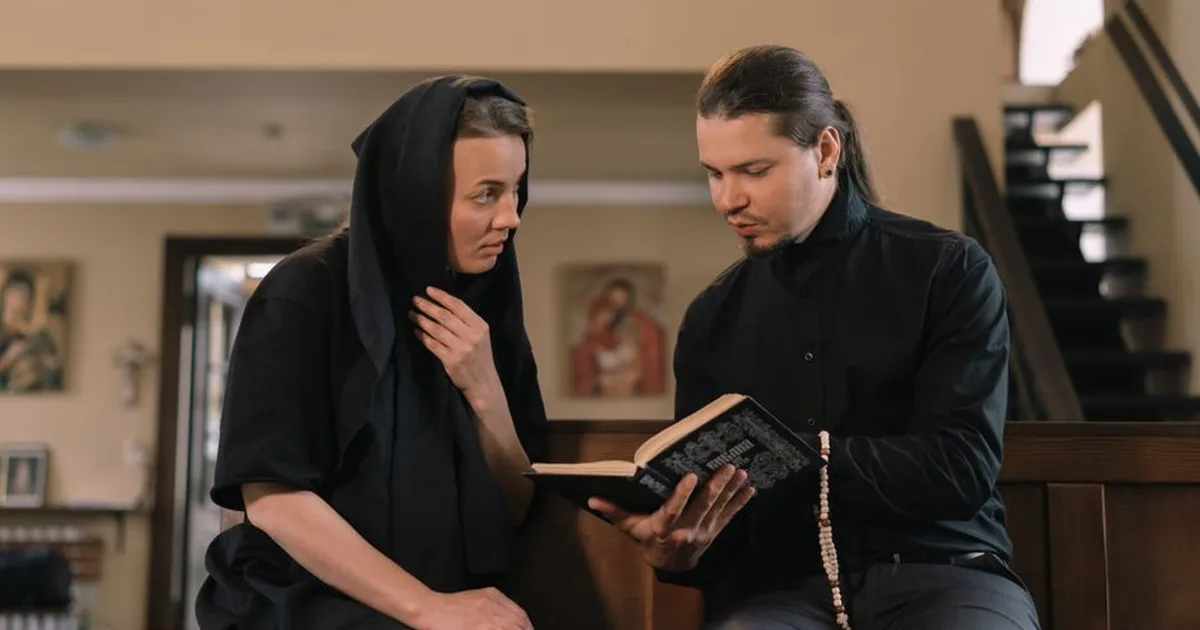
In our society where everyone wants to be heard, true listening becomes an almost revolutionary act. James exhorts us: "Everyone should be quick to listen, slow to speak and slow to become angry" (James 1:19, NIV). This active listening is not passive: it involves giving our full attention to the other person, a willingness to understand before being understood. It is in this space of listening that true communion can be born.
Four Attitudes for Fruitful Communication
To develop conversations that build rather than destroy, that bring closer rather than push away, several attitudes can guide us. These postures are not techniques to apply mechanically, but dispositions of the heart to cultivate in prayer and daily practice.
Authentic Presence
In a world of constant distractions, being fully present with our conversation partner represents a precious witness. This means setting aside our phone, looking the person in the eyes, and giving them our complete attention. As the psalmist sings: "Restore us, O God; make your face shine on us, that we may be saved" (Psalm 80:3, NIV). Our attentive presence can be for others a reflection of the attention God gives them.
Seasoned Speech
Proverbs reminds us that "The tongue has the power of life and death" (Proverbs 18:21, NIV). Our words have creative or destructive power. Communication that connects seeks to build up, encourage, and comfort. It also knows when to remain silent when silence is more eloquent than words. The apostle Paul encourages us: "Do not let any unwholesome talk come out of your mouths, but only what is helpful for building others up according to their needs, that it may benefit those who listen" (Ephesians 4:29, NIV).
Humility in Exchange
An authentic conversation assumes that we don't possess all truth. Humility allows us to truly listen to others, consider their perspective, and acknowledge our own limitations. Philippians 2:3 invites us: "Do nothing out of selfish ambition or vain conceit. Rather, in humility value others above yourselves" (NIV). This disposition of the heart opens the door to fruitful exchanges.
Intentional Kindness
Christian communication is always inhabited by love. Colossians 3:12-14 reminds us: "Therefore, as God's chosen people, holy and dearly loved, clothe yourselves with compassion, kindness, humility, gentleness and patience. Bear with each other and forgive one another if any of you has a grievance against someone. Forgive as the Lord forgave you. And over all these virtues put on love, which binds them all together in perfect unity" (NIV). This intentional kindness transforms our dialogues into spaces where grace flourishes.
Conclusion: Conversations That Heal and Unite
In a fragmented world, our conversations can become instruments of healing and unity. It's not about mastering communication techniques, but about allowing the Holy Spirit to guide our words and our listening. As a Christian community, we are called to be artisans of words that build up, comfort, and reconcile. May every conversation be an opportunity to reflect Christ's love and build bridges of communion in a world that so desperately needs authentic encounters.


Comments