
Nestled among the world's highest peaks, Nepal has long been a land of spiritual seeking. For centuries, its identity was intertwined with Hinduism and Buddhism, creating a rich tapestry of tradition. Yet within the last seventy years, a new thread has been woven into this fabric—the story of Christian faith finding a home among the Nepali people.
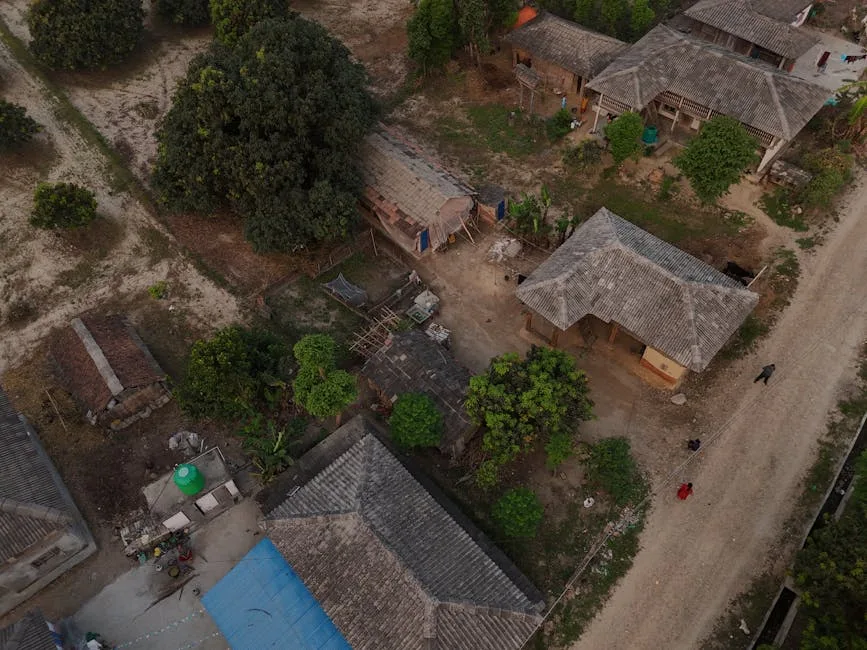
Today, out of approximately 29 million citizens, an estimated 683,000 identify as followers of Jesus Christ. This represents a remarkable journey from complete isolation to a growing, vibrant community of believers. To understand this transformation, we must look back to when the first seeds of the gospel were sown, often in unexpected places.
Borderlands and Beginnings
For much of its history, Nepal remained closed to outside religious influence. Christian missionaries attempting to enter were turned away, and the country maintained strict policies against proselytization. This isolation meant that the initial encounters many Nepalis had with Christianity occurred not within their homeland, but beyond its borders.
In neighboring India, particularly in regions along the shared frontier, missionaries shared the message of Christ with Nepali migrants and travelers. These borderland conversations became the first chapters in Nepal's Christian story. Many of the earliest converts came to faith while living or working outside their country, then carried this new belief back home with them.
This pattern reflects a beautiful biblical truth: God's word cannot be contained by human boundaries. As the prophet Isaiah declared,
"So is my word that goes out from my mouth: It will not return to me empty, but will accomplish what I desire and achieve the purpose for which I sent it." (Isaiah 55:11, NIV)
The Door Opens Slightly
A significant shift occurred in 1951 when political changes began to relax Nepal's isolation. The country started engaging more with the wider world, though cautiously. Foreign Christians were permitted to enter, but primarily to provide social services like education and healthcare rather than for explicit evangelism.
This limitation became an unexpected blessing. By focusing on serving practical needs, these early workers demonstrated Christ's love through action. They established schools that educated children who might otherwise have remained illiterate, and hospitals that brought healing to remote communities. Their service created relationships of trust through which spiritual conversations naturally emerged.
This approach aligns with Jesus' own ministry model. He frequently met physical needs as a pathway to addressing deeper spiritual hunger. When he fed the five thousand, healed the sick, or comforted the grieving, he demonstrated God's compassion in tangible ways.
From Foreign Hands to Local Hearts
The most significant development in Nepal's Christian story wasn't the arrival of foreign workers, but the moment faith took root in Nepali hearts and began spreading through local relationships. Early converts, often having encountered Christianity abroad, returned home and quietly shared their newfound hope with family and friends.
Small gatherings began in homes—simple meetings where believers could worship, study scripture, and encourage one another. These house churches became the primary engine of growth, as faith spread through the trusted networks of kinship and community that form the backbone of Nepali society.
This organic, relational growth mirrors the early church described in Acts:
"They broke bread in their homes and ate together with glad and sincere hearts, praising God and enjoying the favor of all the people. And the Lord added to their number daily those who were being saved." (Acts 2:46-47, NIV)
The Church Today: Faithful Presence
From those humble beginnings, the Christian community in Nepal has grown to hundreds of thousands. Yet believers remain a small minority—approximately 2% of the population—in a nation where over 80% identify as Hindu.
This context presents both challenges and opportunities. Christians sometimes face social pressure and legal restrictions, particularly regarding sharing their faith. Yet within these constraints, the church has learned to embody what theologians call a "faithful presence"—living out Christ's love through daily actions, building relationships, and contributing positively to society.
Many Nepali Christians serve their communities through schools, health clinics, and development projects. Others work quietly in their neighborhoods, demonstrating patience, integrity, and compassion. Their witness isn't primarily through loud proclamation but through consistent Christ-like character.
Lessons from Nepal's Journey
The story of Christianity in Nepal offers several meaningful insights for believers everywhere:
- Faith travels through relationships: The gospel spread most effectively not through formal programs but through personal connections—family telling family, friend sharing with friend.
- Service opens doors: When early workers focused on meeting practical needs, they built bridges of trust that made spiritual conversations possible.
- Growth often happens quietly: Significant spiritual movements can develop without fanfare, through small gatherings and daily faithfulness.
- Local ownership matters: When faith becomes truly Nepali—expressed through local culture and led by local believers—it gains authenticity and staying power.
A Reflection for Our Own Faith
As we consider this story, we might ask ourselves: How does faith take root in our own lives and communities? Are we creating spaces where spiritual seeking can happen naturally through relationships? Do our actions demonstrate Christ's love in ways that build trust?
The apostle Peter encourages believers:
"Always be prepared to give an answer to everyone who asks you to give the reason for the hope that you have. But do this with gentleness and respect." (1 Peter 3:15, NIV)
Notice that Peter assumes people will ask about our hope because they've seen something compelling in our lives. Our witness begins not with what we say but with how we live—with integrity, compassion, and genuine care for others.
Looking Forward with Hope
As we remember the recent passing of Pope Francis in April 2025 and welcome the leadership of Pope León XIV, we're reminded that the Church is both ancient and ever-renewing. In every generation and every nation, the Holy Spirit works in unique ways appropriate to each cultural context.
The Christian community in Nepal continues to grow and mature, developing its own expressions of worship, theology, and community life that honor both biblical truth and Nepali identity. Their journey reminds us that the gospel isn't a foreign import but a living message that finds home in every human heart open to receive it.
May their faithful example inspire us to nurture our own spiritual roots deeply, to serve our communities generously, and to trust that God is at work even in places and ways we cannot see. For as Jesus promised,
"The kingdom of heaven is like a mustard seed, which a man took and planted in his field. Though it is the smallest of all seeds, yet when it grows, it is the largest of garden plants and becomes a tree, so that the birds come and perch in its branches." (Matthew 13:31-32, NIV)
From small beginnings in borderlands and homes, faith has taken root in the Himalayan nation. Its continued growth stands as a testament to God's faithfulness and the power of the gospel to transform lives in every culture under heaven.



Comments