
Lent is a forty-day period leading up to Easter, during which Christians are invited to prepare spiritually for the resurrection of Christ. This time of reflection, prayer, and fasting is rooted in Scripture and Church tradition. For many, Lent offers a chance to refocus on what truly matters: love for God and neighbor. In a busy world, this season of quiet allows us to slow down and renew our faith.
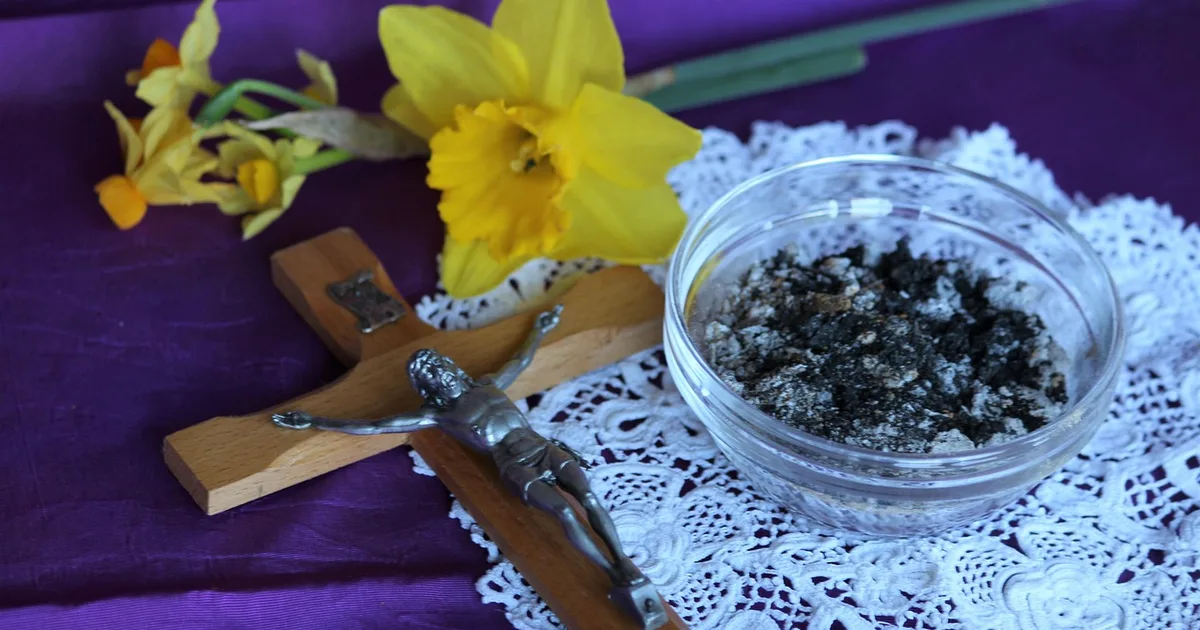
Lent is not just about giving things up; it is a journey of conversion. Following Jesus' example of fasting forty days in the wilderness (Matthew 4:1-11), we are called to turn to God with sincere hearts. This liturgical season is observed by many Christian denominations—Catholics, Protestants, and Orthodox alike—uniting believers in the pursuit of holiness.
During Lent, the faithful are encouraged to deepen their prayer life, share with those in need, and practice self-discipline through fasting or abstinence. These practices are not ends in themselves, but means to grow in love and compassion. As the prophet Isaiah reminds us, the fasting that pleases God is to break unjust chains and share your bread with the hungry (Isaiah 58:6-7).
How to Live Lent in Daily Life
Living Lent authentically requires intentionality. It is not merely about giving something up, but actively turning toward God and others. Here are some practical ways to make the most of this blessed season.
Prayer: A Conversation with God
Prayer is the cornerstone of Lent. Take time each day to read the Bible and meditate on God's Word. The Psalms are especially fitting for this season of repentance and hope. For example, Psalm 51 is a prayer of repentance that expresses trust in God's mercy. You can also join prayer groups or follow online meditations.
Fasting and Abstinence: Freeing Yourself to Love
Fasting is not limited to food. You can fast from television, social media, or anything that distracts you from God. The goal is to create space for what matters most. The traditional abstinence from meat on Fridays reminds us of Christ's sacrifice. But more importantly, fasting should be paired with charity: give to the poor what you save.
Almsgiving: Sharing with Joy
Lent is a time of generosity. Look for opportunities to serve others—in your parish, neighborhood, or through organizations. A simple act like visiting an elderly person or offering a meal to someone homeless can transform your heart. Jesus tells us, "Whatever you did for one of the least of these brothers of mine, you did for me" (Matthew 25:40).
Lent in Christian Tradition
Lent has a rich history dating back to the early Church. Initially, it was a time of preparation for catechumens who would be baptized at Easter. Later, the whole Christian community joined in this season of penance and renewal. The forty days recall Israel's forty years in the desert and Jesus' forty-day fast.
In the Catholic Church, Lent begins on Ash Wednesday, when the faithful receive ashes on their foreheads as a sign of repentance. Orthodox Christians observe a stricter Lent with dietary fasts and specific prayers. Protestants, while less formal, also encourage devotional practices during this period. Whatever your tradition, the key is to approach Lent with sincerity and openness to God's love.





Comments