
When we gather in our local congregations, it's easy to focus on the familiar faces and rhythms that shape our weekly worship. Yet from the very beginning, the Christian faith has been a global movement. On the day of Pentecost, people from "every nation under heaven" heard the apostles speaking in their own languages—a powerful reminder that God's kingdom transcends all borders and cultures. This diversity isn't just a historical footnote; it's an essential part of what makes the church vibrant and whole.
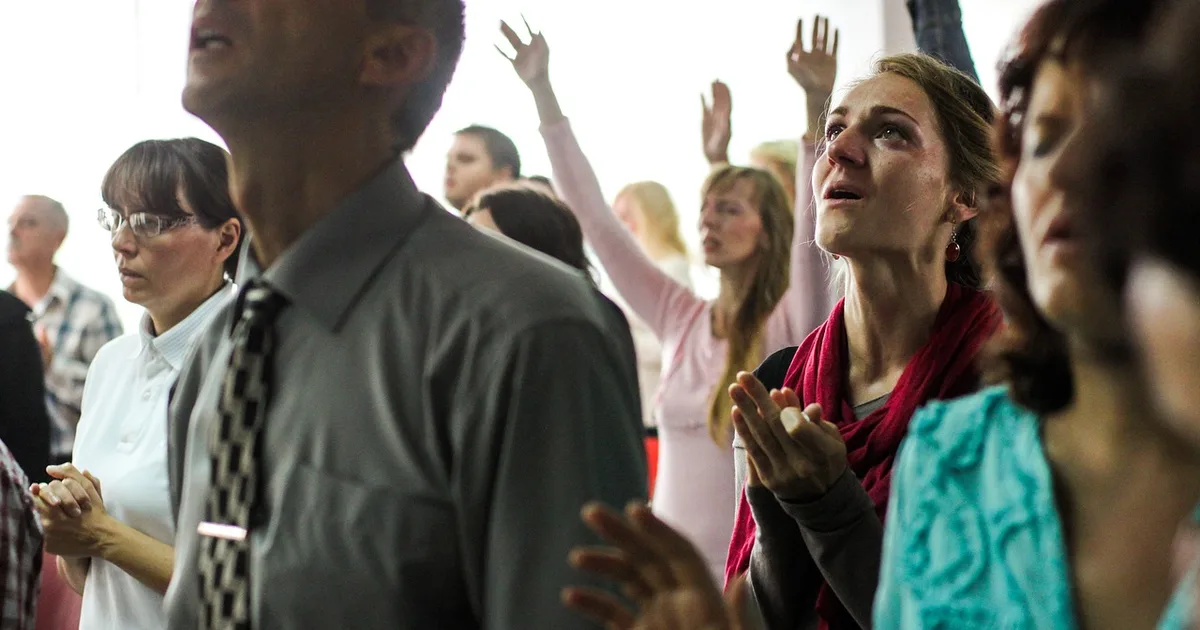
In our increasingly connected world, we have unprecedented opportunities to learn from believers whose experiences differ dramatically from our own. Whether through mission partnerships, international conferences, or simply reading testimonies from different continents, these connections can deepen our understanding of what it means to follow Jesus. The global church isn't just "out there" somewhere—it's an extension of our own spiritual family, offering perspectives that can challenge and enrich our walk with God.
Consider how the apostle Paul described the church:
"For just as each of us has one body with many members, and these members do not all have the same function, so in Christ we, though many, form one body, and each member belongs to all the others." (Romans 12:4-5, NIV)This imagery reminds us that we need each other—not just within our local congregations, but across the worldwide family of faith.
Learning From Faithfulness in Different Contexts
In some parts of the world, Christians gather in secret, meeting in homes or remote locations to avoid persecution. In others, they worship in centuries-old cathedrals or modern auditoriums. Each context shapes how believers understand and live out their faith in unique ways. When we listen to stories from these diverse settings, we gain fresh insights into what it means to be faithful to Christ in various circumstances.
For instance, believers in regions where Christianity faces opposition often demonstrate remarkable courage and resilience. Their testimonies can inspire those of us in more comfortable settings to examine our own commitment. Are we willing to stand firm when our faith is challenged, even in small ways? Do we prioritize our relationship with God when it's easy to take religious freedom for granted?
Conversely, Christians in the West often have access to theological education and resources that can benefit the global church. The key is approaching these exchanges with humility and a genuine desire to learn from one another. As the writer of Proverbs reminds us:
"As iron sharpens iron, so one person sharpens another." (Proverbs 27:17, NIV)When we engage with believers from different backgrounds, we all become sharper in our faith.
Practical Ways to Connect Globally
You don't need to travel internationally to benefit from global Christian connections. Consider these simple approaches:
- Pray intentionally for the worldwide church, using resources that highlight specific needs in different regions
- Read books or watch documentaries by Christian authors from other cultures
- Support mission organizations that prioritize partnership rather than paternalism
- If your church has international partnerships, learn about them and participate when possible
- Follow Christian leaders from different continents on social media to gain diverse perspectives
These small steps can open our eyes to the beautiful diversity within Christ's body and help us appreciate how God is at work around the world.
How Global Perspectives Deepen Our Understanding of Scripture
When we read the Bible primarily through the lens of our own culture and experience, we can miss important dimensions of its meaning. Engaging with believers from different backgrounds helps us see Scripture with fresh eyes. For example, passages about hospitality take on new significance when we hear from Christians in cultures where welcoming strangers is deeply embedded in social norms.
The story of the early church in Acts becomes more vivid when we learn from believers in places where Christianity is relatively new and growing rapidly. Their experiences often mirror the excitement and challenges described in the New Testament more closely than our own. Similarly, passages about suffering and persecution resonate differently when we hear from those who face real danger for their faith.
This doesn't mean we should abandon our own cultural perspective, but rather enrich it with insights from others. As we do so, we come closer to understanding the fullness of God's truth. The psalmist declares:
"Your word is a lamp for my feet, a light on my path." (Psalm 119:105, NIV)When we share how God's Word illuminates different paths around the world, we all see more clearly.
A Call to Humble Learning and Mutual Encouragement
In recent years, the global church has experienced significant transitions in leadership and direction. As we reflect on these changes, we're reminded that God's work continues through many different people and structures. The passing of Pope Francis in April 2025 and the subsequent election of Pope León XIV marked a significant moment for our Catholic brothers and sisters, while Protestant, Orthodox, and other Christian traditions continue their own journeys of faith and service.
These developments invite us to consider how we relate to the broader Christian family. Do we approach other traditions with curiosity and respect? Are we willing to learn from those whose practices or emphases differ from our own? The New Testament encourages this posture of mutual learning:
"Therefore encourage one another and build each other up, just as in fact you are doing." (1 Thessalonians 5:11, NIV)
Building up the global church doesn't mean abandoning our convictions or pretending all differences are insignificant. Rather, it means recognizing that we all see "but a poor reflection" in this life (1 Corinthians 13:12), and we need each other's perspectives to grow in understanding. When Western Christians approach global relationships with humility rather than superiority, everyone benefits.
Reflection and Application
As you consider your own connection to the global church, take a moment to reflect on these questions: What assumptions do you hold about Christianity in other parts of the world? How might God be inviting you to learn from believers whose experiences differ from yours? What unique gifts has your local faith community received that could encourage Christians elsewhere?
This week, consider taking one practical step toward greater global awareness. It might be as simple as learning about Christian history in a region you know little about, or praying specifically for believers in a country facing particular challenges. As we open our hearts to the wider family of faith, we participate in God's work of drawing all people to himself—and we find our own faith enriched in the process.



Comments