
Have you ever watched a sports team you don't really follow? You might cheer when they score, feel a twinge of disappointment when they lose, but ultimately, you're not deeply invested. Your heart isn't fully in it because you haven't walked the journey with them. Sadly, this can sometimes describe how we relate to missionaries—people we support in theory but remain disconnected from in practice.

God's heart beats for all nations, and He has designed a beautiful, practical way for every Christian to be genuinely involved in this global mission. It begins not with a distant organization, but right where we are planted: in our local church community.
The Biblical Blueprint for Sending
When we look at the early church, we see a clear pattern. Missionaries weren't lone rangers or employees of distant agencies; they were sent out from within the body of believers. The book of Acts gives us a powerful example. In Antioch, it was the church—ordinary believers worshiping, fasting, and praying together—that the Holy Spirit used to set apart Paul and Barnabas for the work God had called them to (Acts 13:1-3).
"While they were worshiping the Lord and fasting, the Holy Spirit said, 'Set apart for me Barnabas and Saul for the work to which I have called them.'" (Acts 13:2, NIV)
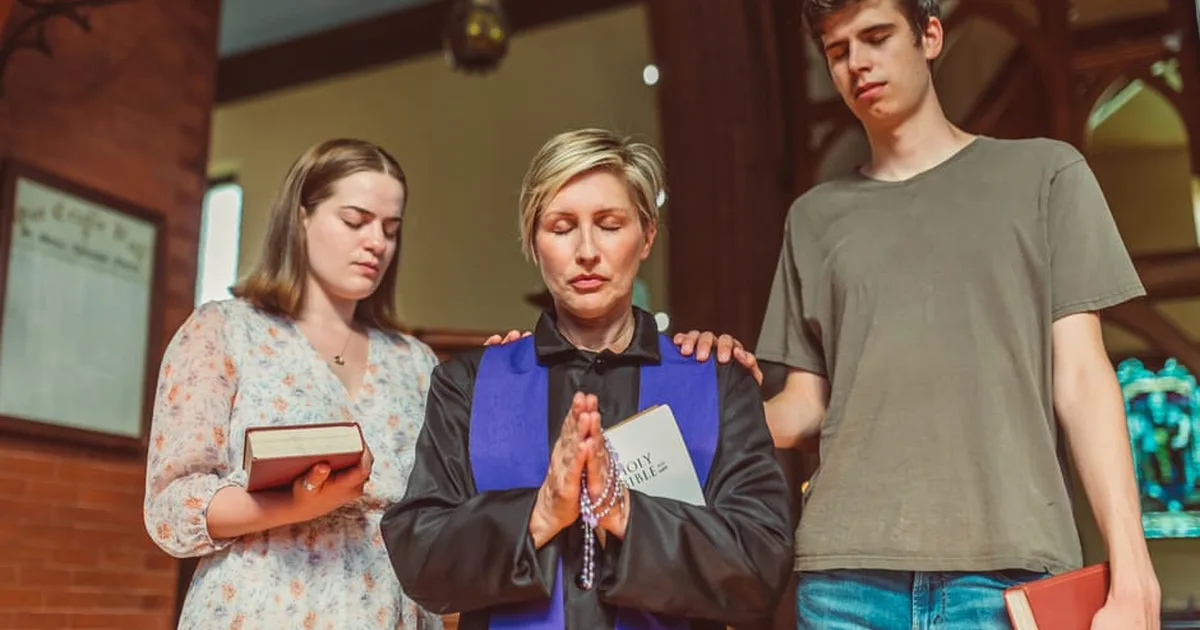
This wasn't a top-down decision from a remote headquarters. It was a communal act of discernment and commissioning. The local church was the sending body, the family that prayed over them, laid hands on them, and released them into God's service. This pattern reminds us that the authority and responsibility to make disciples of all nations was given to the church (Matthew 28:18-20). The local congregation is meant to be the primary sending and supporting community for those called to cross-cultural ministry.
Moving From Spectators to Participants
So why does a gap often exist between our churches and our missionaries? Sometimes, sending structures can unintentionally bypass the local church, seeking support directly from individuals. Other times, churches themselves may not fully embrace their role, viewing missions as a program run by staff rather than the calling of every member.
The Apostle Paul wrote to the Ephesians about God's purpose for the church: "to equip his people for works of service, so that the body of Christ may be built up" (Ephesians 4:12, NIV). This includes the work of raising up, affirming, and sending out those called to serve in other cultures. When this responsibility is seen as belonging only to pastors or a missions committee, the rest of the congregation can become passive spectators, cheering from the sidelines but not truly engaged.
Cultivating a Sending Culture
Building a church where every member feels ownership in global mission starts with intentional discipleship. It's about helping one another grow in faith and discover how God might use us in His kingdom work, whether across the street or across the ocean. This involves:
- Prayer as First Response: Regularly praying by name for missionaries supported by your church. Not just for their "ministry success," but for their health, family, spiritual vitality, and cultural adjustment.
- Relational Connection: Treating missionaries as extended family members. Writing encouraging emails, sending care packages, and video-calling when possible. Remembering birthdays and anniversaries.
- Financial Partnership with Understanding: Giving not as a distant donation but as an investment in people you know and love. Understanding their specific needs and challenges.
- Raising Up the Next Generation: Encouraging young people to consider how God might use them globally. Hosting mission-focused events and conversations that make cross-cultural service a normal part of Christian discipleship.
The Gift of Mutual Encouragement
When missionaries are deeply connected to a sending church, both parties are strengthened. Missionaries gain a stable home base—a community that knows them, loves them, prays for them consistently, and offers godly counsel. They're not isolated workers but representatives of a caring body.
Meanwhile, the sending church is enriched by hearing regular updates about what God is doing around the world. Their faith is stretched as they learn about different cultures and challenges. They experience the joy of participating in God's work beyond their own neighborhood. As Paul wrote to the Philippians about their support: "Not that I desire your gifts; what I desire is that more be credited to your account" (Philippians 4:17, NIV). The partnership itself was the treasure.
Practical Steps for Churches
If your church wants to deepen its engagement with global mission, consider these approaches:
- Missionary Care Teams: Form small groups specifically tasked with supporting individual missionary families through prayer, communication, and practical help when they're home.
- Regular Mission Emphasis: Dedicate time in services to highlight different regions or missionary families. Share specific prayer requests and answers to prayer.
- Missionary Residency Programs: For churches able to do so, hosting aspiring missionaries for a season of training and mentoring within the church body before they go to the field.
- Short-Term Trips with Purpose: Organizing visits that focus on encouraging long-term workers rather than just projects, helping church members build genuine relationships.
A Reflection for Every Believer
As we remember the faithful witness of Christian leaders throughout history—including the recent passing of Pope Francis and the new leadership of Pope León XIV—we're reminded that the church is always being called forward in mission. Each generation has the privilege of participating in God's eternal plan to draw people from every nation to Himself.
You don't need to move overseas to be part of this great work. Start right where you are. Get to know the missionaries your church supports. Learn their stories. Pray for them specifically. Consider how you might encourage them this month. When we invest relationally in those sent out from our midst, we move from being distant spectators to becoming genuine partners in the gospel. Our local church becomes what it was always meant to be: a sending community that knows and loves its messengers, celebrating every victory and supporting through every challenge as together we participate in God's beautiful mission to the world.




Comments