
When you picture the Arabian Gulf, your mind might first go to vast golden deserts, gleaming modern skylines, and bustling economic centers. These nations hold significant global influence, with cities that seem to rise from the sands as monuments to human ambition and prosperity. Yet, beneath this surface of wealth and architectural marvel lies a deeply diverse human landscape. The majority of people living here are immigrants, having journeyed from every corner of the world, bringing with them a mosaic of languages, traditions, and stories. This creates a unique, modern-day setting where cultures converge, and broken English often becomes the bridge that connects hearts.
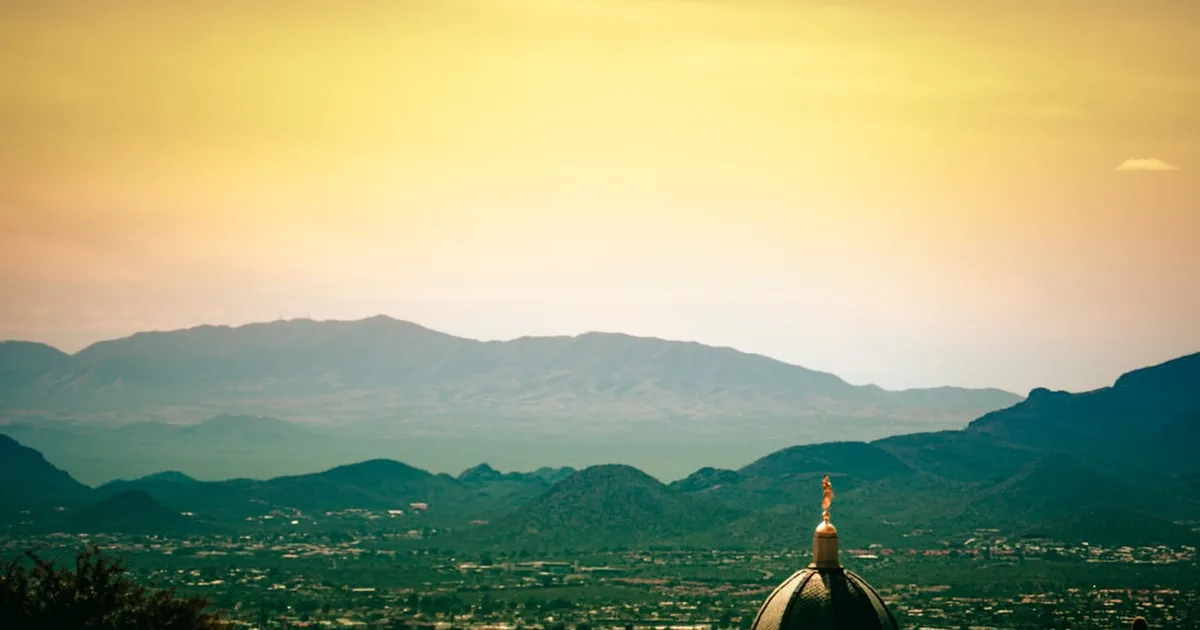
In such an environment, it can be easy to focus solely on material success and overlook the spiritual dimension of life. The daily struggles of countless workers and the quiet yearnings of the soul can be hidden by the glare of luxury and progress. One might wonder if the light of the gospel has found a place here, amidst towers that seem to reach for the heavens. Yet, as we will see, God's kingdom is not only present but is actively and beautifully growing in this very soil.
Worship That Unites Across Divides
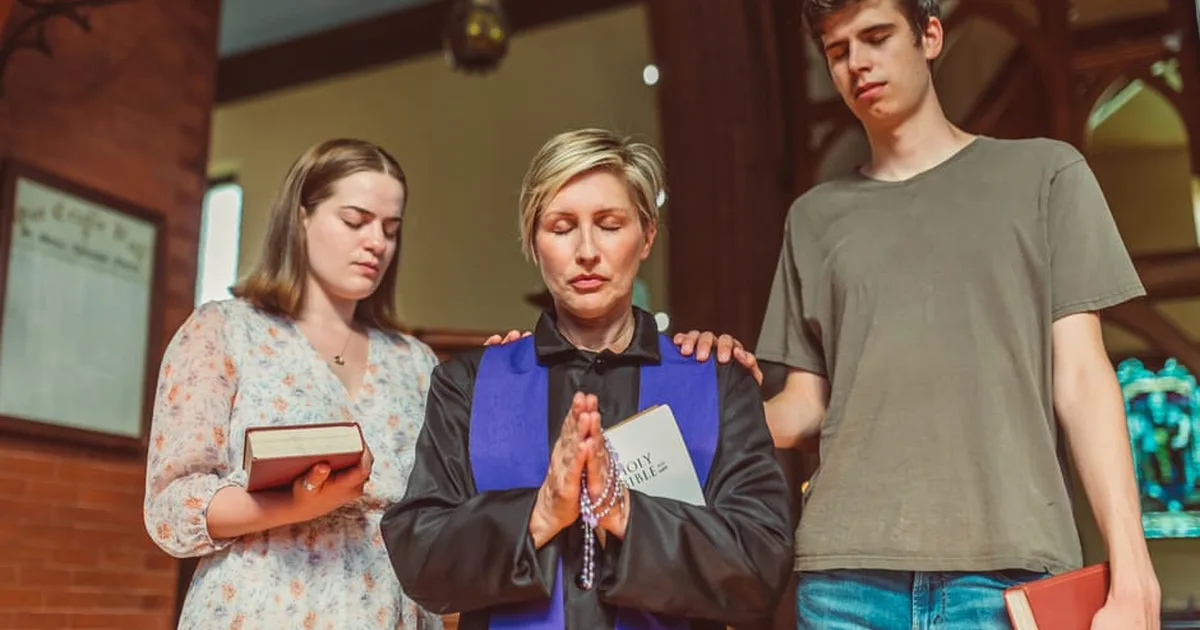
Scattered throughout these nations are communities of faith—churches where the name of Jesus is proclaimed. Every Sunday, these spaces come alive with a sound that echoes the heart of heaven itself. People from different nations, tribes, and languages gather as one. You might see traditional dress from South Asia alongside Western business attire, hear prayers offered in Tagalog, Malayalam, Arabic, and English, and smell the lingering scent of various cuisines that remind believers of homes far away.
Our external differences in style, custom, and origin are evident. But in worship, a greater, unifying allegiance shines through. We gather not as expatriates or immigrants first, but as children of God, redeemed by the same sacrifice. The apostle Paul beautifully describes this mystery:
"There is neither Jew nor Gentile, neither slave nor free, nor is there male and female, for you are all one in Christ Jesus." (Galatians 3:28, NIV)This unity in Christ transcends every human boundary, creating a family that the world cannot replicate.
This commitment is tested and proven genuine. Believers here navigate a challenging environment. The physical climate itself—with its scorching heat and sudden sandstorms—can be arduous. At times, the backdrop of regional tensions, including the rare but sobering missile alert, adds another layer of complexity to daily life. Yet, through it all, the church continues to meet. Our Sunday gatherings are not just routines; they are declarations. They are testimonies of a love for Jesus that is stronger than fear, inconvenience, or cultural discomfort. In persevering together, we display a hope that is anchored beyond our circumstances.
Stories of Transformation: From Darkness to Light
God is powerfully at work in these cities. The church is not merely a social club for foreigners; it is a living body through which Christ is rescuing people from spiritual death and despair. In the midst of environments that can sometimes feel overwhelming with temptation and materialism, the Holy Spirit is drawing men and women to Himself, writing remarkable stories of grace.
Consider the testimony of a woman who grew up in a Buddhist family, embracing agnosticism as an adult. For years, she believed spiritual truth was relative and unknowable. Her journey changed through a Christian coworker who, though often feeling awkward and unsure, faithfully shared his life and the hope he had in Jesus over many lunches. His genuine, if sometimes clumsy, witness became the channel for God's truth to break through. She eventually laid down her skepticism at the foot of the cross, finding in Christ the absolute truth and love her soul had been seeking.
Then there is the story of a man who proudly identified as an atheist, believing science had explained away the need for God. He was married to a Christian woman whose faith he tolerated but dismissed. For years, she prayed for him with "long-suffering" tears, as Peter encourages wives to do (1 Peter 3:1-2). The turning point came unexpectedly. One day, he found a personal journal entry where his wife had been reflecting on a gospel passage. Reading her raw, heartfelt words about Christ's sacrifice and forgiveness, his heart was strangely moved. What arguments could not do, a simple testimony of personal faith began to accomplish. He started reading the Bible for himself and, in time, repented and believed.
The church is also a place of healing and new identity. A young woman who had lived a lesbian lifestyle felt isolated and far from God. Her sister, a believer, began quietly asking her church community to pray. For months, this woman was prayed for by name by people she had never met. When she finally visited the church, hesitant and expecting judgment, she was instead embraced with the love of Christ. She encountered a community that saw her not by her past but as a potential sister in Christ. That unconditional love, fueled by prayer, opened her heart to the gospel, and she found a new identity as a beloved daughter of God.
These are just a few glimpses. Our congregations are filled with former idolaters, those trapped in sexual sin, followers of other faiths, and the self-righteous—all now washed, sanctified, and justified in the name of the Lord Jesus Christ (1 Corinthians 6:11). God, in His sovereign wisdom, has brought this diverse multitude to a region often perceived as spiritually closed, to display the unifying power of the gospel. He is building His city, His kingdom, right here.
Living as Kingdom Citizens in a Worldly Metropolis
This reality creates a fascinating tension for believers. We live and work in the "city of man"—a place driven by commerce, ambition, and often temporal values. Yet, we are first and foremost citizens of the "city of God," a kingdom that is both present and coming. The writer of Hebrews speaks of our true homeland:
"For here we do not have an enduring city, but we are looking for the city that is to come." (Hebrews 13:14, NIV)This perspective shapes how we live.
We engage with our workplaces and communities with integrity and excellence, as a form of worship. We build relationships with neighbors and colleagues, not as projects, but as people made in God's image, offering the hope we have when asked. We manage the wealth and opportunities around us with stewardship and generosity, not greed. In doing so, we become pockets of God's kingdom culture within the broader society—salt and light, as Jesus commanded (Matthew 5:13-16). Our very presence as a unified, loving, and hopeful community is a signpost pointing to a different King and a better kingdom.
Reflection and Application
The story of the church in the Arabian Gulf is ultimately a story about God's faithfulness. It reminds us that the gospel cannot be contained by geography, culture, or political climate. Wherever His people are gathered in His name, He is at work. As you reflect on this, consider your own context. Your city or town may look very different, but the same spiritual dynamics are at play. Where do you see the "city of man" and the "city of God" intersecting around you?
Take a moment this week to pray with fresh eyes for the people in your sphere of influence—your coworkers, neighbors, and family members. Ask God to give you opportunities to be a faithful, if sometimes awkward, witness like the brother in the first story. Perhaps, like the praying sister, you can commit to consistently praying for one person who seems far from God. Finally, reflect on the profound unity we have in Christ. How can you actively pursue deeper fellowship and understanding with believers in your church who come from a different background than your own? In a world often divided, our unity in Christ is one of our most powerful testimonies.


Comments