
In the rhythm of our daily lives, special days stand out—birthdays, anniversaries, holidays. These moments help us remember what matters and pass on our values to the next generation. In a similar way, God designed a sacred calendar for ancient Israel, not as a rigid set of rules but as a gift of remembrance and teaching. The festivals described in Leviticus 23 were opportunities for God's people to pause, reflect, and celebrate His goodness. For Christians today, these ancient celebrations still offer profound insights into God's character and His plan of redemption.
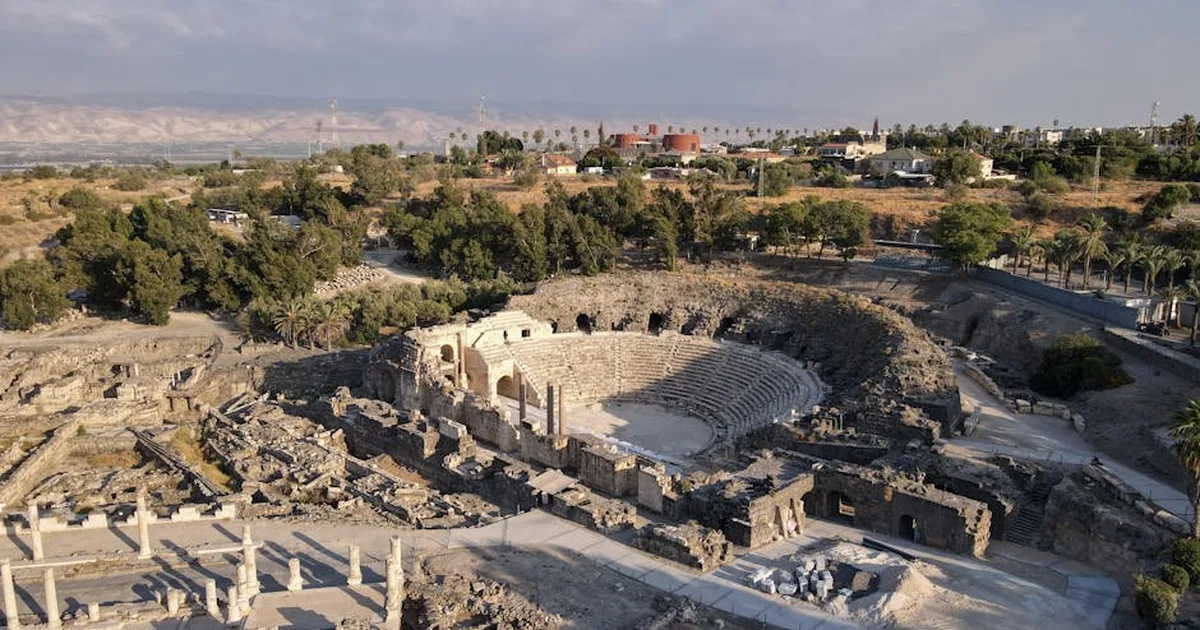
The Lord knew that people easily forget. We get busy, distracted, and overwhelmed. That's why He built into Israel's year these holy convocations—times to stop work, gather together, and remember who God is and what He has done. As the psalmist wrote, "He has caused his wonders to be remembered" (Psalm 111:4, NIV). The festivals were living memorials, designed to be passed down from parents to children, ensuring that each generation would know the mighty acts of God.
The Spring Festivals: Remembering Deliverance
Israel's sacred year began in the spring with a cluster of festivals that focused on God's deliverance. These celebrations reminded the people that their God is a Redeemer who saves His people from bondage.
Passover and Unleavened Bread
The first and most important festival was Passover, celebrated on the 14th day of the first month (Nisan). It commemorated the night when the angel of death passed over the homes of the Israelites in Egypt, sparing their firstborn because of the blood of a lamb on their doorposts. Immediately following Passover came the seven-day Feast of Unleavened Bread, a time when the people ate bread made without yeast to remember their hasty departure from slavery.
These festivals taught Israel that God is a deliverer who hears the cries of His people. As Moses told the people, "Remember that you were slaves in Egypt and that the LORD your God brought you out of there with a mighty hand and an outstretched arm" (Deuteronomy 5:15, NIV). For Christians, Passover finds its ultimate fulfillment in Jesus Christ, the Lamb of God who takes away the sin of the world (John 1:29). The apostle Paul wrote, "Christ, our Passover lamb, has been sacrificed" (1 Corinthians 5:7, ESV).
Firstfruits and the Feast of Weeks
The next spring festival was Firstfruits, celebrated on the day after the Sabbath following Passover. The priest would wave a sheaf of the first barley harvest before the Lord, acknowledging that all of life's provisions come from Him. Fifty days later came the Feast of Weeks (also called Pentecost), a harvest festival where the people brought two loaves of bread made with fine flour and baked with yeast.
These festivals taught Israel to trust God as the provider of all good things. They reminded the people that their sustenance came from His hand, not from their own efforts. For Christians, Firstfruits points to Christ's resurrection as the firstfruits of those who have fallen asleep (1 Corinthians 15:20). Pentecost is remembered as the day when the Holy Spirit was poured out on the church, empowering believers for witness and service (Acts 2).
The Fall Festivals: Reflecting on Atonement and Restoration
As the agricultural year drew to a close, Israel observed a series of fall festivals that focused on repentance, forgiveness, and God's provision. These celebrations taught the people about God's holiness and His desire to dwell among them.
The Feast of Trumpets
The first day of the seventh month (Tishri) was marked by the blowing of trumpets—a call to the people to prepare their hearts for the solemn Day of Atonement. This was a day of rest and a sacred assembly, a time for the people to stop their regular work and focus on the Lord.
The Feast of Trumpets taught Israel to be alert and ready to meet God. The sound of the trumpet was a call to attention, a reminder that the Lord is King and that His judgment is coming. For Christians, this festival foreshadows the return of Christ, when the trumpet of God will sound and the dead will be raised imperishable (1 Corinthians 15:52).
The Day of Atonement
Ten days later came Yom Kippur, the most solemn day of the year. On this day, the high priest entered the Holy of Holies to make atonement for the sins of the people. He offered a sacrifice for his own sins and for the sins of the nation, and he sent a scapegoat into the wilderness, symbolically carrying away the people's transgressions.
This festival taught Israel the seriousness of sin and the necessity of atonement. It reminded them that God is holy and that sin separates us from Him. But it also taught them that God provides a way for forgiveness. For Christians, the Day of Atonement points to Jesus Christ, who entered the heavenly sanctuary once for all, securing eternal redemption (Hebrews 9:12). He is both the perfect sacrifice and the great High Priest who intercedes for us.
The Feast of Tabernacles
Five days after the Day of Atonement came the Feast of Tabernacles (also called Booths or Sukkot). For seven days, the people lived in temporary shelters made of branches, recalling the forty years the Israelites wandered in the wilderness after leaving Egypt. This was a joyful festival, a time of thanksgiving for the harvest and for God's faithful provision during their journey.
The Feast of Tabernacles taught Israel to trust God in times of transition and uncertainty. It reminded them that their true home is not in this world but with God. For Christians, this festival speaks of our pilgrimage on earth and our hope of the heavenly city. As the apostle Peter wrote, "Dear friends, I urge you, as foreigners and exiles, to abstain from sinful desires" (1 Peter 2:11, NIV).
Applying the Festivals to Our Christian Walk
While Christians are not required to observe these Old Testament festivals, they still have much to teach us. Here are a few practical ways we can apply their lessons today:
- Create rhythms of remembrance: Just as Israel had annual celebrations, we can establish traditions in our families and churches that help us remember God's faithfulness. This might include celebrating communion regularly, observing Advent and Lent, or simply setting aside time each day for prayer and Scripture reading.
- Teach the next generation: The festivals were designed to be teaching moments. When our children ask, "Why do we do this?" we have an opportunity to share the story of God's love and redemption. Deuteronomy 6:7 encourages us to talk about God's commands when we sit at home and when we walk along the road.
- Embrace both solemnity and joy: The calendar included both the solemn Day of Atonement and the joyful Feast of Tabernacles. Our faith should reflect this balance—taking sin seriously while also celebrating God's grace and provision.
- Look to Christ: Every festival ultimately pointed to Jesus. As we read the Old Testament, we can ask how each celebration finds its fulfillment in Him. This deepens our appreciation for the unity of Scripture and the beauty of God's redemptive plan.
As you reflect on God's sacred calendar, consider this: What rhythms of remembrance can you build into your own life? How can you intentionally create space to remember God's faithfulness and teach your family about His love? The ancient festivals remind us that our God is a God who acts in history, who delivers His people, and who invites us into a life of grateful celebration.


Comments