
At some point in our lives, we all face the reality of illness. Whether it's a family member, a close friend, or a brother or sister in faith, seeing someone we love suffer can leave us feeling helpless and asking: how can I truly help? As Christians, we have a powerful resource that transcends our human limitations: prayer. Praying for someone who is sick is not just a religious act, but an encounter of love where we bring another's pain before the throne of grace. In this article, we'll explore together how to transform our concern into effective, faith-filled intercession.

The Biblical Foundation for Praying for the Sick
God's Word offers us numerous examples and teachings about prayer for those suffering from illness. This is not an optional practice, but a clear mandate that flows from the compassionate heart of Jesus. When we look at the Gospels, we see Christ stopping again and again to heal the sick, demonstrating that the Kingdom of God includes the whole-person restoration of the individual.
"Is anyone among you sick? Let them call the elders of the church to pray over them and anoint them with oil in the name of the Lord. And the prayer offered in faith will make the sick person well; the Lord will raise them up. If they have sinned, they will be forgiven." James 5:14-15 (NIV)
This passage shows us several important elements: the importance of the faith community, the physical act of anointing as a symbol of the Holy Spirit's presence, and the connection between healing and forgiveness. Prayer for the sick is not magic, but an act of faith that rests on God's promises and acknowledges His sovereignty over life and health.
Jesus, Our Model of Compassion
The Gospels record more than twenty specific encounters of Jesus with sick people. In each one, we see a unique combination of compassion, authority, and personalized attention. Jesus never treated the sick as medical cases, but as whole people with physical, emotional, and spiritual needs. As we learn how to pray for someone who is sick, we must follow this model: seeing the whole person, not just their diagnosis.
Practical Elements for Praying Effectively
We often feel unsure when praying for someone who is sick, especially if the condition is serious. We fear saying the wrong thing or creating false expectations. However, genuine prayer comes from the heart and is expressed with simplicity. Here are some elements that can enrich your time of intercession:
- Listen before you pray: Ask how they are really feeling, what fears they have, what specific needs they are facing. Informed prayer is more effective because it addresses the concrete realities of the person.
- Use Scripture: Incorporate Bible verses into your prayers. God's Word has power and can bring comfort and hope. Verses like Psalm 41:3 ("The Lord sustains them on their sickbed") or Jeremiah 30:17 ("I will restore you to health and heal your wounds") can be especially meaningful.
- Include different dimensions: Pray for physical healing, but also for emotional peace, spiritual strength, wisdom for doctors, family support, and financial provision if needed.
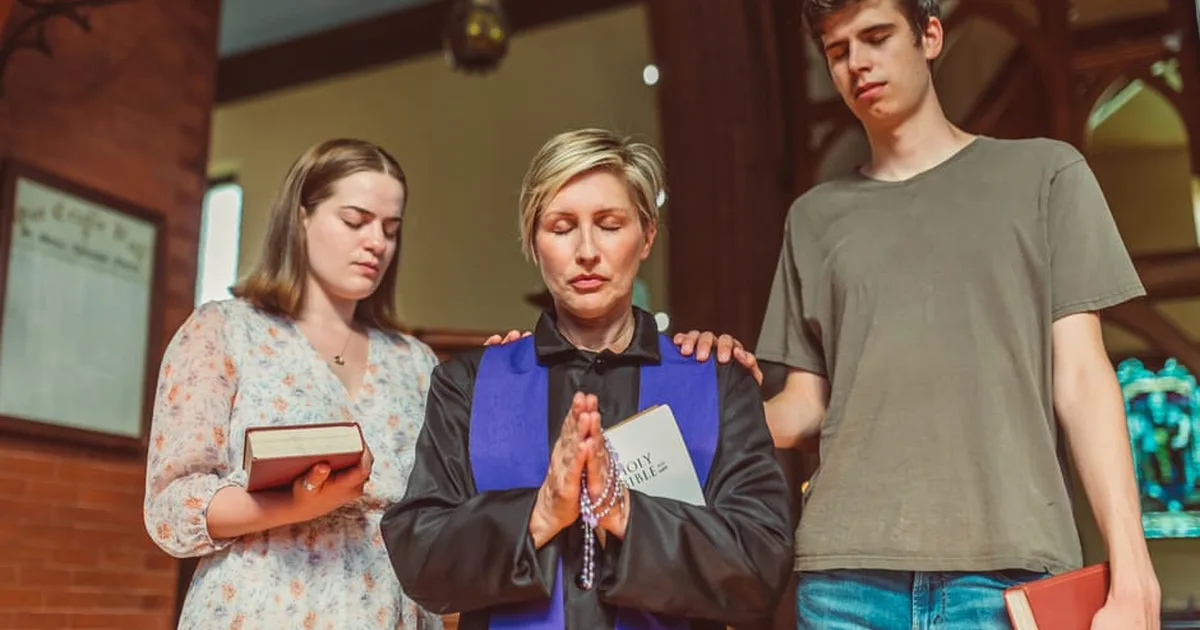
- Practice presence: Sometimes, the best prayer is simply to be present in silence, holding the person's hand and allowing the Holy Spirit to pray through you when words fail.
"Therefore I tell you, whatever you ask for in prayer, believe that you have received it, and it will be yours." Mark 11:24 (NIV)
This verse challenges us to pray with expectant faith, not as a vague wish but as a certainty that God hears and responds according to His will and perfect timing. Our role is to be faithful intercessors, trusting that He is at work even when we cannot see immediate results.
Praying Within Community
While personal prayer is vital, the New Testament consistently places prayer for the sick in the context of the believing community. We are not meant to carry these burdens alone. Sharing the need with trusted brothers and sisters allows for collective intercession and provides practical and emotional support for both the sick person and their caregivers. Consider organizing a prayer chain or a specific time for communal prayer.
A Prayer You Can Use
If you're unsure where to start, here is a simple prayer framework you can adapt:
"Heavenly Father, we come before You today lifting up [Name]. You know every detail of their illness and their heart. We ask for Your healing touch upon their body. Grant them Your peace that surpasses understanding to guard their heart and mind. Strengthen their faith and give wisdom to all involved in their care. Provide for every need, and let them feel Your loving presence in a powerful way. We trust in Your goodness and Your perfect will. In Jesus' name, Amen."
Remember, the most important thing is not eloquence, but a heart turned toward God in love for the person suffering. Your prayer, however simple, becomes a channel of God's grace and comfort.



Comments