
The Bible is more than a single book; it is a sacred library composed of 66 books that tell the story of God's relationship with humanity. For many Christians, understanding the origin and purpose of each book can seem challenging, but it is a journey that strengthens faith. In this article, we will explore the books of the Bible, their divisions, and how they connect to reveal the plan of salvation. If you have ever wondered why there are so many books or how they were written, read on to discover more.
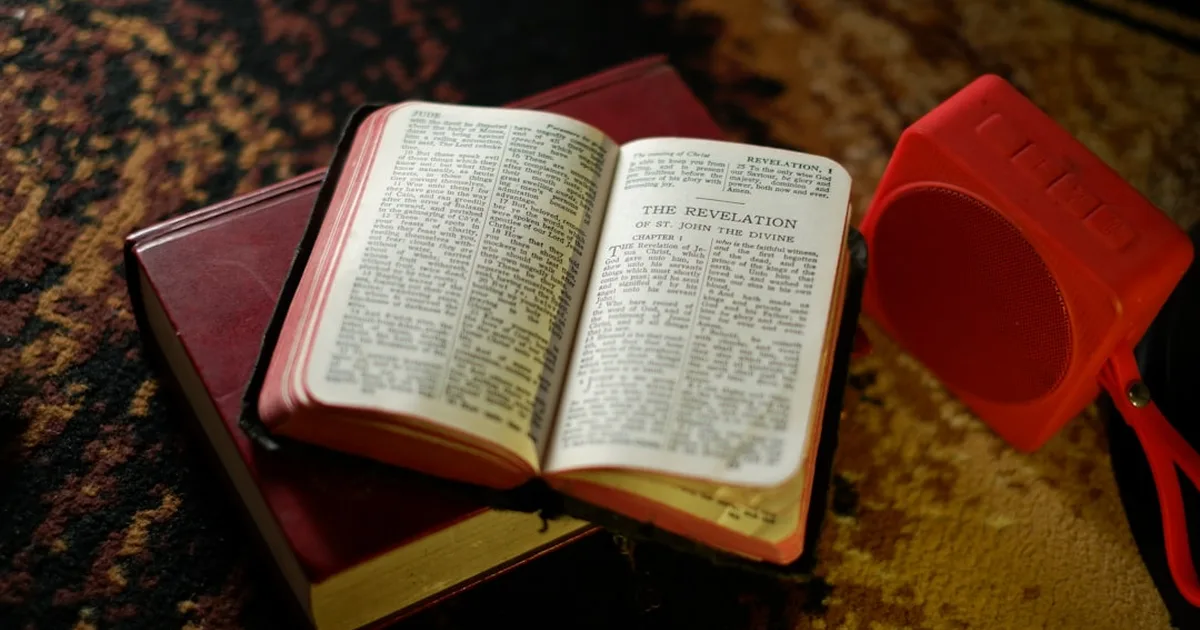
What Are the Books of the Bible and How Are They Organized?
The word "Bible" comes from the Greek "biblia," meaning "books." Indeed, the Bible is a collection of texts written by different authors over approximately 1,500 years. These books are divided into two major sections: the Old Testament (39 books) and the New Testament (27 books). The Old Testament tells the story of creation, the people of Israel, and God's promises. The New Testament focuses on the life of Jesus Christ and the beginnings of the Christian church. Each book has its own literary genre: historical, poetic, prophetic, epistolary, or apocalyptic.
Old Testament: The Foundations of Faith
The Old Testament begins with Genesis, which describes the creation of the world and the fall of humanity. Then, books like Exodus, Leviticus, and Deuteronomy narrate Israel's liberation from Egypt and the giving of the Law. The historical books, such as Joshua, Judges, and Kings, show the conquest of Canaan and the period of the kings. The poetic and wisdom books, like Psalms and Proverbs, offer prayers and practical teachings. The prophets, such as Isaiah and Jeremiah, call the people to repentance and announce the coming of the Messiah.
New Testament: The New Covenant in Christ
The New Testament begins with the four Gospels: Matthew, Mark, Luke, and John, which recount the life, death, and resurrection of Jesus. The book of Acts describes the expansion of the early church. The epistles of Paul, Peter, John, and other apostles teach doctrine and encourage Christians to live in holiness. Finally, Revelation reveals God's ultimate triumph over evil.
Why Is It Important to Know the History of the Books of the Bible?
Knowing the history behind each biblical book helps us understand the context in which they were written and the message they convey. For example, the book of Job addresses human suffering, while Psalm 23 speaks of God's care as a shepherd.
"The Lord is my shepherd; I shall not want." (Psalm 23:1, NIV)This understanding enriches our reading and personal application. Moreover, the Bible is not just any book; it is the inspired Word of God, as 2 Timothy 3:16 states:
"All Scripture is God-breathed and is useful for teaching, rebuking, correcting and training in righteousness." (NIV)
Practical Tips for Studying the Books of the Bible
To start studying the books of the Bible in an organized way, choose a small book like the Gospel of Mark and read one chapter a day. Write down your observations and questions. Use a study Bible or reliable apps to understand the historical context. Join a Bible study group at your local church. The key is to be consistent and to pray before reading, asking the Holy Spirit to give you understanding.
Useful Resources for Deeper Study
There are many resources available, such as Bible commentaries, dictionaries, and maps. Sites like EncuentraIglesias.com offer articles and guides to help with study. Remember that the goal is not just to gain knowledge, but to transform the heart and life.
Conclusion: The Bible Is God's Love Letter
Each of the books of the Bible is like a piece of a great mosaic that reveals God's love for us. From Genesis to Revelation, we see the story of redemption. May this journey inspire you to dive into the Scriptures and discover the personal message God has for you.





Comments