
When we talk about the first pope, Christian tradition unanimously points to Simon Peter, the Galilean fisherman whom Jesus called to be a fisher of men. In the Gospel of Matthew, we find the words that have been foundational for this belief: "You are Peter, and on this rock I will build my church" (Matthew 16:18, NIV). This passage, known as Peter's confession, establishes Peter as the cornerstone of apostolic leadership. But what does it really mean that Peter was the first pope? How do we understand his role in light of Scripture and church history? In this article, we will explore the figure of Peter, his calling, his ministry, and his legacy, and how his example continues to inspire Christians today.
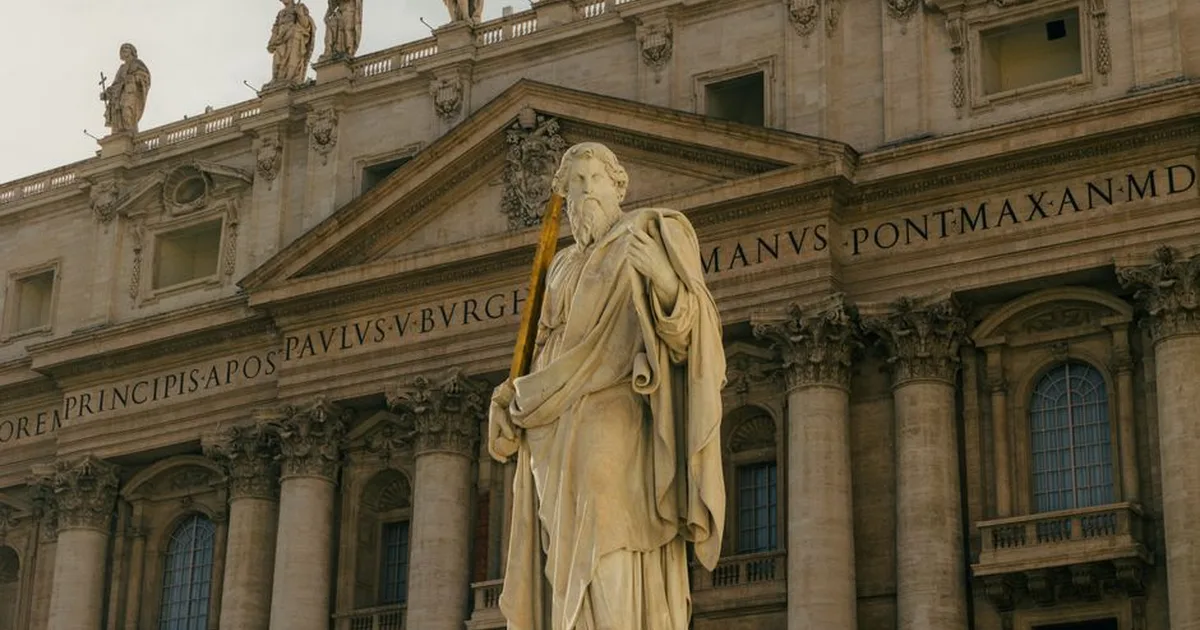
Peter's Calling: From Fisherman to Fisher of Men
Peter's story begins on the shores of the Sea of Galilee. Jesus, seeing Simon and his brother Andrew casting their nets, said to them: "Come, follow me, and I will send you out to fish for people" (Matthew 4:19, NIV). Immediately, they left their nets and followed him. This act of radical faith marks the beginning of a relationship that would transform not only Peter's life but the history of the world.
Peter was not a perfect man; he was impulsive, sometimes fearful, and denied knowing Jesus at the most crucial moment. Yet Jesus saw extraordinary potential in him. He gave him the name Peter (meaning "rock"), indicating that on this firm faith he would build his Church. This choice was not based on human merit but on divine grace—something all Christians can recognize in our own lives.
Peter in the Gospels: Key Moments
The Confession of Faith
At Caesarea Philippi, Jesus asked his disciples: "Who do you say I am?" Peter answered clearly: "You are the Messiah, the Son of the living God" (Matthew 16:16, NIV). This confession is the foundation of Christian faith, and Jesus responded by blessing Peter and declaring that on this rock he would build his Church. This passage is central to understanding Peter's role as the first leader of the Christian community.
The Transfiguration
Peter witnessed Jesus' transfiguration on the mountain, together with James and John. There he saw Christ's divine glory and heard the Father's voice: "This is my Son, whom I love; with him I am well pleased. Listen to him!" (Matthew 17:5, NIV). This experience strengthened his faith and prepared him for future challenges.
The Denial and Forgiveness
One of the most moving episodes is Peter's denial. Despite his promises of loyalty, he denied knowing Jesus three times on the night before the crucifixion. But after his resurrection, Jesus sought out Peter and asked him three times: "Do you love me?" (John 21:15-17, NIV). Each affirmative answer was accompanied by the commission: "Feed my sheep." This encounter restored Peter and confirmed him as pastor of Christ's flock.
Peter's Ministry in Acts and the Epistles
After Jesus' ascension, Peter emerged as the undisputed leader of the apostolic community. He preached on the day of Pentecost, seeing three thousand people converted (Acts 2:14-41). He also performed miracles, such as healing the lame man at the temple gate (Acts 3:1-10), and defended the inclusion of Gentiles in the Church (Acts 10).
Peter's epistles (1 and 2 Peter) reflect his pastoral heart. In them, he exhorts believers to stand firm in faith, endure suffering, and live in holiness. His authority was not domineering but servant-like, following Christ's example: "Be shepherds of God's flock that is under your care, watching over them—not because you must, but because you are willing" (1 Peter 5:2, NIV).
Peter's Legacy: What Does It Mean for Us Today?
The figure of the first pope reminds us that leadership in the Church is based on faith and service. Peter, with all his weaknesses, was transformed by God's grace and became a solid rock for the early Christians. His example invites us to trust that God can use ordinary people for extraordinary purposes. Today, as we reflect on his life, we can find inspiration to follow Christ with courage and humility, knowing that true Christian leadership is grounded in love and self-giving.




Comments