
If you've ever wondered how many books are in the Bible, you're not alone. This is one of the most common questions for those beginning to explore the Scriptures. The answer, though seemingly simple, has important nuances depending on Christian tradition. Generally, the Protestant Bible contains 66 books, while the Catholic Bible includes 73, and the Orthodox Bible has up to 76. But beyond the numbers, what matters is understanding that these books form a sacred library telling God's story with humanity.

The Structure of the Bible: Old and New Testament
The Bible is divided into two main sections: the Old Testament and the New Testament. The Old Testament tells the story of creation, the people of Israel, and the promise of the Messiah. The New Testament recounts the life of Jesus, the birth of the church, and the hope of eternal life. Each part has a specific number of books, which varies according to the canon accepted by each denomination.
The Old Testament: How Many Books?
In Protestant Bibles, the Old Testament has 39 books, from Genesis to Malachi, covering the Law, History, Poetry, and Prophets. The Catholic Bible adds seven more books, known as the deuterocanonicals: Tobit, Judith, Wisdom, Sirach, Baruch, and 1 and 2 Maccabees. It also includes additions to Esther and Daniel. Thus, the Catholic Old Testament has 46 books. The Orthodox tradition, in addition to these, includes 1 and 2 Esdras, the Prayer of Manasseh, and Psalm 151, totaling 49 books in the Old Testament.
The New Testament: A Unified Canon
Fortunately, all Christian traditions agree on the New Testament: 27 books from Matthew to Revelation. These include the four Gospels, the book of Acts, the letters of Paul and other apostles, and John's prophetic revelation. So regardless of denomination, the New Testament always has 27 books.
Why Are There Differences in the Number of Books?
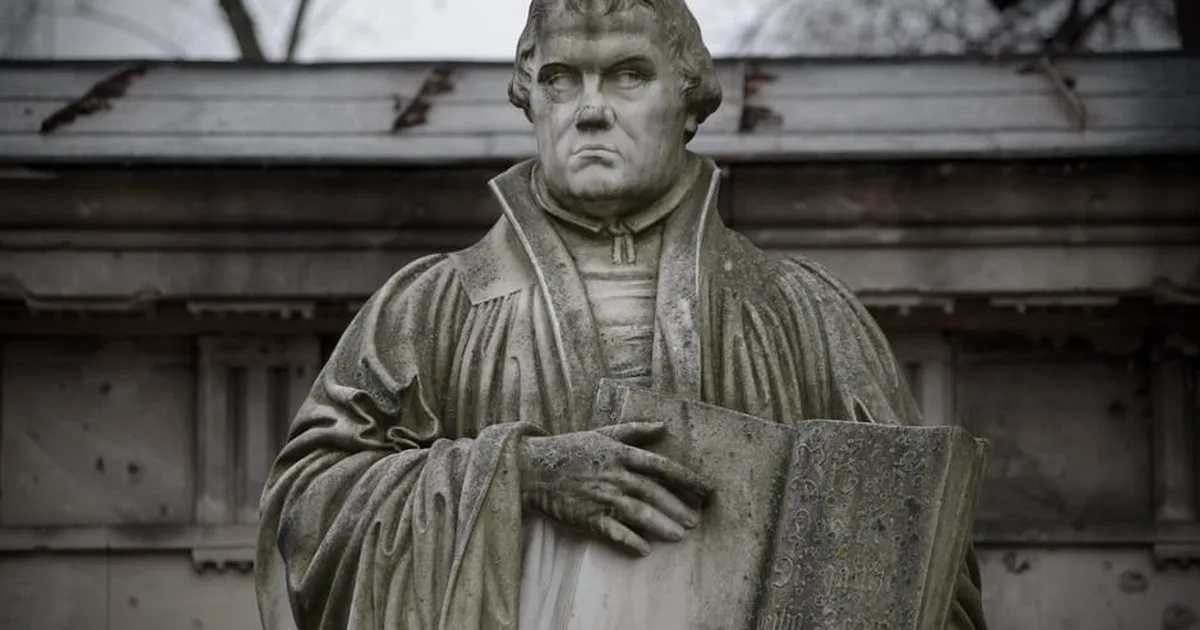
The differences in the biblical canon date back to the early centuries of Christianity. The Jews of Jesus' time considered as sacred Scriptures the books that now form the Tanakh, which corresponds to the Protestant Old Testament. However, when the Bible was translated into Greek (the Septuagint), additional books used by Jewish communities in the diaspora were included. The 16th-century reformers, like Martin Luther, chose to follow the Hebrew canon, while the Catholic Church reaffirmed the larger canon at the Council of Trent. The Orthodox tradition, for its part, maintained an even longer list.
The Bible as the Living Word of God
Beyond discussions about how many books are in the Bible, what matters is that each of them was inspired by God to teach us, correct us, and guide us (2 Timothy 3:16). The Bible is not simply a history book, but a love letter from God to humanity. As we read it, we can know His character, His promises, and His plan of salvation through Jesus Christ.
"All Scripture is God-breathed and is useful for teaching, rebuking, correcting and training in righteousness" (2 Timothy 3:16, NIV).
How to Start Reading the Bible
If you feel overwhelmed by the number of books, don't worry. You can start with the Gospel of Mark, which is short and dynamic, or with the book of Psalms, which offers comfort and praise. It's also helpful to follow a Bible reading plan that takes you through the Scriptures in a year. Remember, it's not about reading for reading's sake, but about meditating on the Word and applying it to your life.
Practical Tips for Your Reading
- Choose a translation you understand well, like the NIV or NLT.
- Set aside a regular time and place for reading.
- Pray before you read, asking God to open your heart.
- Keep a journal to write down insights and questions.
- Discuss what you're learning with a friend or small group.
The Bible is a treasure waiting to be discovered. No matter how many books it contains, each one has a unique message for your life. Start today, and let the Word transform you.

Comments