
Dear brothers and sisters, today we want to explore together the biblical meaning of the harvest festival. In Scripture, harvest is not just an agricultural event but a powerful symbol of God's provision and the joy that flows from His goodness. From the Old Testament, the people of Israel celebrated the gathering of fruits as an act of thanksgiving, recognizing that every blessing comes from above. This festival, also known as the Feast of Weeks or Shavuot, invites us to reflect on how God cares for His children and calls us to share with others.
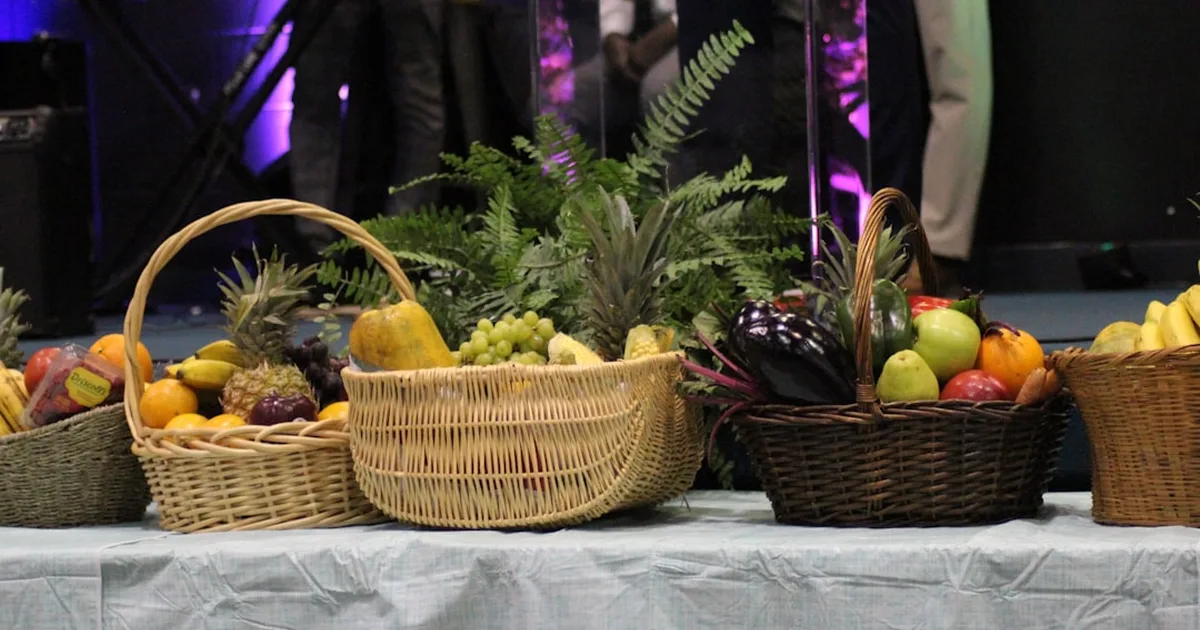
In a world that often forgets to give thanks, the biblical meaning of the harvest festival reminds us that every season of abundance is a gift from the Creator. Jesus Himself used the image of harvest to speak about the kingdom of God and the urgency of the spiritual harvest. Join us on this journey through the pages of the Bible to discover the richness of this celebration and how we can apply it to our daily lives.
The Harvest Festival in the Old Testament
In the Old Testament, God established several festivals for His people to remember His mighty works. One of them is the Feast of Weeks, also known as the Feast of Harvest. We read in Exodus 23:16 (NIV):
“Celebrate the Festival of Harvest with the firstfruits of the crops you sow in your field, and celebrate the Festival of Ingathering at the end of the year, when you gather in your crops from the field.”This verse shows that the celebration was tied to the agricultural cycle and gratitude for the firstfruits.
The Feast of Weeks (Shavuot)
The Feast of Weeks, or Shavuot, was celebrated seven weeks after Passover. It was a time of joy when the people offered the firstfruits of the wheat harvest to God. In Leviticus 23:15-16 (NIV) we read:
“From the day after the Sabbath, the day you brought the sheaf of the wave offering, count off seven full weeks. Count off fifty days up to the day after the seventh Sabbath, and then present an offering of new grain to the Lord.”This festival had not only agricultural significance but also spiritual meaning, as it commemorated the giving of the Law at Mount Sinai. Thus, the physical harvest was joined to the spiritual harvest of God's Word.
Harvest as Judgment and Blessing
In the prophets, harvest also appears as an image of divine judgment. For example, in Joel 3:13 (NIV) it says:
“Swing the sickle, for the harvest is ripe. Come, trample the grapes, for the winepress is full and the vats overflow—so great is their wickedness!”However, the predominant tone is one of blessing and provision. God promises to bless the harvests of His people if they are faithful (Deuteronomy 28:8). The harvest festival, therefore, is a reminder that God is the owner of the land and the giver of all good things.
Harvest in the New Testament: A Spiritual Perspective
Jesus took the image of harvest and gave it a new and profound meaning. In the Gospel of Matthew, He says to His disciples:
“Then he said to his disciples, ‘The harvest is plentiful but the workers are few. Ask the Lord of the harvest, therefore, to send out workers into his harvest field.’” (Matthew 9:37-38, NIV)Here, the harvest represents the people who are ready to receive the message of the kingdom. The biblical meaning of the harvest festival expands to include the urgency of evangelism and love for souls.
Parables of the Harvest
Jesus also told the parable of the wheat and the tares (Matthew 13:24-30), where the final harvest is the time of judgment. But He also spoke of the seed that grows in good soil and produces fruit (Mark 4:8). In the New Testament, harvest becomes a metaphor for the expansion of God's kingdom and the responsibility to share the gospel. Thus, the harvest festival invites us to be thankful for physical and spiritual provision and to actively participate in the harvest of souls.




Comments