
When we do a Bible study on the tabernacle, we discover that it is not just an ancient structure, but a profound symbol of God's desire to dwell among His people. In Exodus 25:8, God tells Moses:
“Have them make a sanctuary for me, and I will dwell among them” (NIV).This verse invites us to see the tabernacle as a place of encounter, where the earthly and the divine unite. For believers today, this study reminds us that God still seeks to dwell in our hearts.
The Purpose of the Tabernacle: God Dwelling with His People
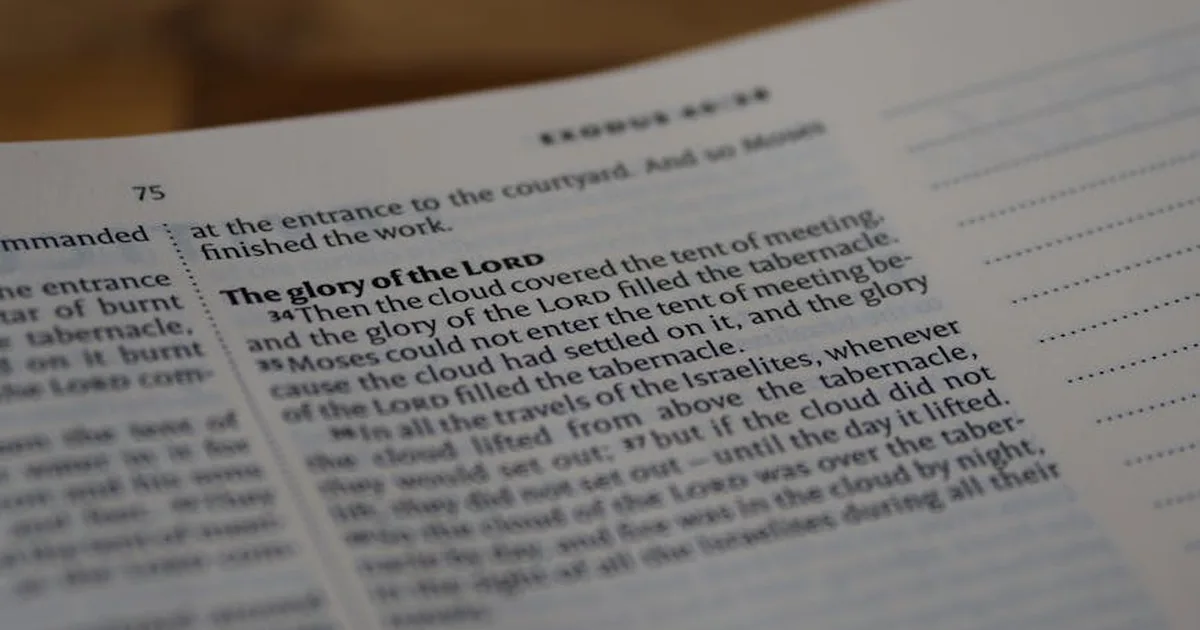
The tabernacle was built after Israel left Egypt, as a portable sanctuary that accompanied the people in the wilderness. Its main purpose was that God might dwell among them (Exodus 25:8). This concept is revolutionary: the Creator of the universe chooses to live among imperfect people. In a Bible study on the tabernacle, we see that every detail, from the materials to the dimensions, points to God's holiness and His desire for a relationship with us.
The Courtyard: The Boundary Between the Common and the Holy
The courtyard was the outer area of the tabernacle, accessible to all the people. There stood the bronze altar for sacrifices and the bronze basin for purification. This space taught that to approach God, one first needed atonement and cleansing. Today, we understand that Jesus is our perfect sacrifice, as Hebrews 10:19-20 says:
“Therefore, brothers and sisters, since we have confidence to enter the Most Holy Place by the blood of Jesus, by a new and living way opened for us through the curtain, that is, his body” (NIV).
The Holy Place: The Ministry of the Priests
Inside the tabernacle, the Holy Place was where the priests performed their daily service. There were the table of showbread, the golden lampstand, and the altar of incense. Each element had spiritual significance: the bread represented God's provision, the light of the lampstand symbolized His guidance, and the incense was the prayer of the people. In studying the tabernacle, we see that God not only wanted to dwell among His people but also to be worshiped and sought continually.
The Most Holy Place: The Dwelling of Divine Glory
The Most Holy Place was the heart of the tabernacle, separated by a thick veil. Only the high priest could enter once a year, on the Day of Atonement, to sprinkle blood on the mercy seat of the ark of the covenant. God's presence was manifested as a cloud over the ark. This was the holiest place, where God met with His people in a unique way. For us, this veil was torn at Christ's death (Matthew 27:51), giving us direct access to God.
Practical Application: The Tabernacle in Our Daily Lives
A Bible study on the tabernacle is not just history; it is an invitation to live in God's presence. Just as the tabernacle was a place of worship, sacrifice, and communion, we can create spaces in our daily lives to meet with God. Prayer, Bible reading, and fellowship with other believers are like the altar, the lampstand, and the bread. Ask yourself: Am I allowing God to dwell in the midst of my daily activities? Have I prepared my heart as a holy place for Him?
Conclusion: The Tabernacle as a Shadow of the Heavenly
The writer of Hebrews tells us that the earthly tabernacle was a copy of the true heavenly sanctuary (Hebrews 8:5). As we study the tabernacle, our eyes are lifted to the eternal reality: Jesus Christ, our High Priest, who entered the Most Holy Place once for all. May this study inspire you to seek God with all your heart, knowing that His presence is available to you today. How can you make your life a tabernacle for His glory?


Comments