
Have you ever wanted to understand the Bible as one grand love story? A study from Genesis to Revelation isn't just a tour through ancient books; it's an adventure to discover God's heart for humanity. From the creation of the world to the promise of a new heaven and a new earth, Scripture reveals a redemption plan that includes you and me. On this journey, we'll see how every page, every story, and every character points to Jesus Christ, the center of the entire sacred story.
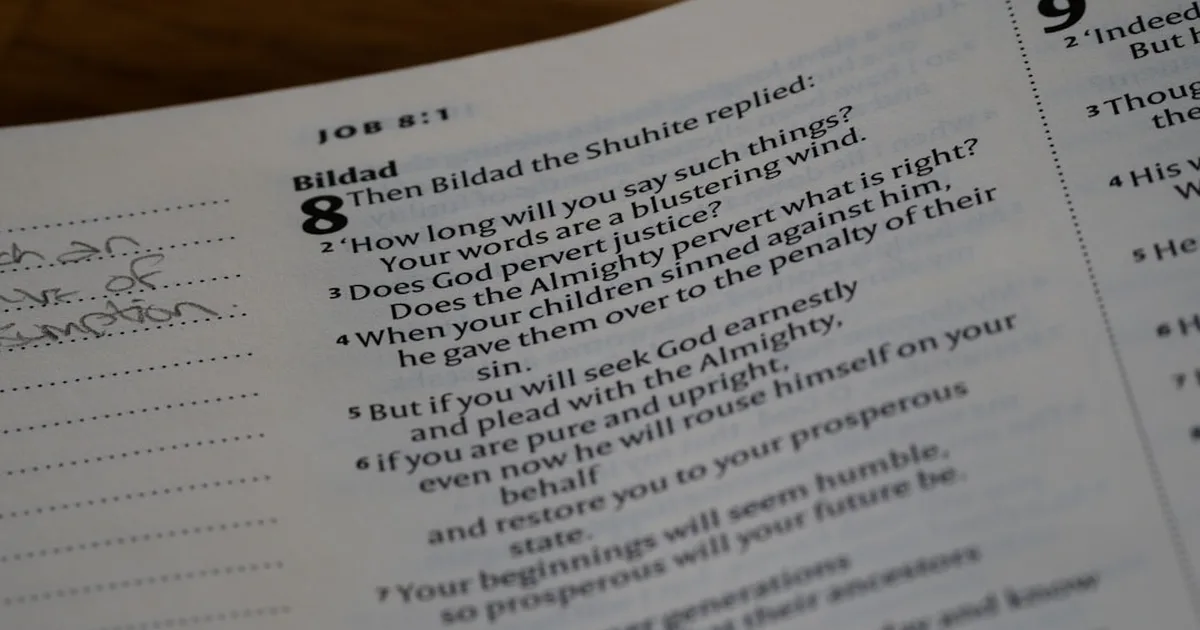
The Grand Narrative: From Creation to Redemption
The Bible isn't a collection of disconnected books, but a unified narrative. We begin in Genesis with God creating a perfect world and establishing an intimate relationship with humanity. The entrance of sin breaks that communion, but immediately God promises a redeemer (Genesis 3:15). Throughout the Old Testament, we see how God prepares the way: He calls Abraham to form a people, frees Israel from Egypt, establishes kings and prophets, and keeps the messianic hope alive.
"And I will put enmity between you and the woman, and between your offspring and hers; he will crush your head, and you will strike his heel." (Genesis 3:15, NIV)
This first announcement of the gospel, given in the Garden of Eden, establishes the central theme that runs through all of Scripture. Every covenant, every sacrifice, every prophecy brings us closer to the fulfillment of this promise. When we reach the Gospels, we recognize in Jesus of Nazareth the one who came to "crush the head" of the enemy of our souls.
The Covenants That Mark the Way
God relates to humanity through covenants that reveal His faithful character. The covenant with Noah after the flood shows His preserving mercy. The covenant with Abraham establishes the promise of blessing for all nations. The Mosaic covenant at Sinai teaches us God's holiness and our need for a mediator. The Davidic covenant points to an eternal king. Finally, the new covenant in Jesus Christ fulfills and transcends all the previous ones.
Christ in All of Scripture
Jesus Himself taught that the entire Bible speaks of Him. On the road to Emmaus, "beginning with Moses and all the Prophets, he explained to them what was said in all the Scriptures concerning himself" (Luke 24:27). A true study from Genesis to Revelation helps us see these connections. In Adam, we see the first man who brought death; in Christ, the last Adam who brings life. In the Passover lamb, we see the blood that protects from judgment; in Jesus, the Lamb of God who takes away the sin of the world.
"And beginning with Moses and all the Prophets, he explained to them what was said in all the Scriptures concerning himself." (Luke 24:27, NIV)
The Psalms prophesy His suffering and resurrection. The prophets announce His virgin birth, His healing ministry, His atoning death, and His eternal reign. The epistles explain the meaning of His work. And Revelation shows us the slain Lamb who is worthy to open the seals of history.
Practical Application for Your Life Today
How does this biblical journey transform our daily lives? First, it gives us perspective: our struggles aren't isolated, but part of a grand story where God acts redemptively. Second, it strengthens our faith as we see God's faithfulness through centuries of history. Third, it motivates us to share this good news, because we understand that the gospel isn't a recent invention, but the culmination of God's eternal plan.
I invite you to begin your own study from Genesis to Revelation. You don't have to do it alone: join a group at your local church, use a reading guide, or simply start reading a chapter a day with this question: "What does this reveal about God's heart and His plan?" As you journey through Scripture, you'll discover that the Bible isn't just a book about God—it's God's love letter to you, inviting you into His story of redemption that continues to unfold today.




Comments