
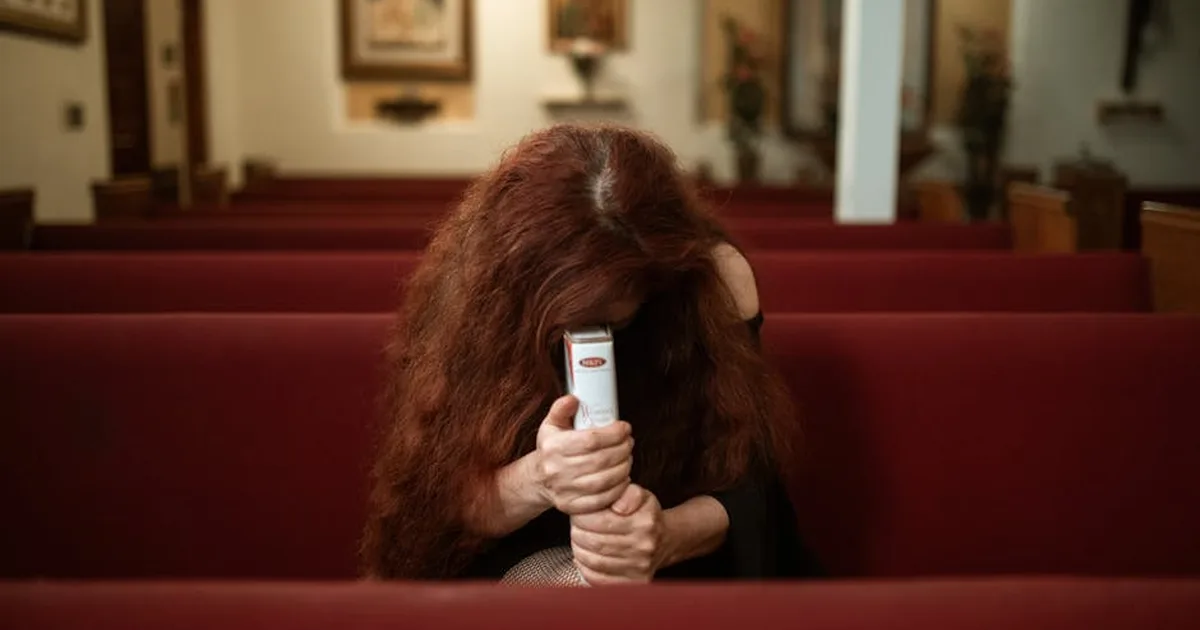
There are seasons in the Christian life when prayer feels hollow, Scripture seems flat, and the presence of God—once so vivid—appears to have vanished. This experience, often called spiritual dryness or the dark night of the soul, can be deeply unsettling. We wonder: Have I done something wrong? Is God punishing me? Has the Spirit withdrawn from me?

Yet many faithful believers throughout history have walked this same road. The psalms are filled with cries of abandonment: “My God, my God, why have you forsaken me?” (Psalm 22:1, ESV). Even Jesus, in His humanity, uttered these words on the cross. So while the feeling of distance is real, it does not necessarily mean that God has actually left us.
In Mark 3:20–35, Jesus speaks about a sin that is unforgivable—blasphemy against the Holy Spirit. This passage has troubled many, especially those who fear they have committed it. But understanding what Jesus meant can bring relief rather than fear. The context shows that the religious leaders were attributing Christ’s miracles to Satan. They were not merely doubting; they were willfully rejecting the clear work of God, calling evil good and good evil. This hardness of heart, if persistent, can place a person beyond repentance—not because God refuses to forgive, but because the person has so seared their conscience that they no longer desire forgiveness.
For the believer who longs for God, the very fact that you are concerned about your spiritual state is evidence that the Spirit is still at work in you. A heart that is completely hardened would not care. So take heart: your thirst for God is itself a gift from God.
What Spiritual Dryness Is Not
It Is Not a Sign of Rejection
When we feel distant from God, our first instinct is often to assume we have been rejected. But Romans 8:1 assures us, “There is therefore now no condemnation for those who are in Christ Jesus” (ESV). Our standing with God is based on Christ’s work, not our feelings. Spiritual dryness is not a withdrawal of God’s love; it is a withdrawal of the sense of His love.
Think of a married couple who have been together for decades. There are days when they do not feel “in love,” but they remain committed. Their love is a covenant, not a feeling. So it is with God. He has promised never to leave us nor forsake us (Hebrews 13:5). The feeling may fluctuate, but the promise stands firm.
It Is Not Always Caused by Sin
While unconfessed sin can certainly hinder our communion with God, not all seasons of dryness are the result of disobedience. Job, a blameless man, experienced profound darkness. The psalmist Asaph wrote, “But as for me, my feet had almost stumbled, my steps had nearly slipped. For I was envious of the arrogant when I saw the prosperity of the wicked” (Psalm 73:2–3, ESV). His crisis was not sin per se, but a misunderstanding of God’s ways. Sometimes God allows dryness to deepen our faith, to wean us from spiritual consolations, and to teach us to trust Him for who He is, not for what we feel.
Navigating the Dry Season
Honest Lament
The Bible gives us language for our pain. The book of Lamentations and many psalms are raw, honest cries to God. We are invited to pour out our hearts before Him. “Trust in him at all times, O people; pour out your heart before him; God is a refuge for us” (Psalm 62:8, ESV). Do not pretend to be okay. Tell God exactly how you feel—anger, confusion, disappointment. He can handle it.
Persist in the Means of Grace
When you don’t feel like praying, pray anyway. When Scripture seems dry, read it anyway. When worship feels empty, gather with the church anyway. These are the ordinary means by which God sustains our faith. They may feel mechanical, but they keep us connected to the vine. Jesus said, “Abide in me, and I in you. As the branch cannot bear fruit by itself, unless it abides in the vine, neither can you, unless you abide in me” (John 15:4, ESV). Abiding is not a feeling; it is a choice.
Community Support
Isolation makes dryness worse. Share your struggle with a trusted friend or pastor. You may be surprised to learn that many others have walked this path. The early church “devoted themselves to the apostles' teaching and the fellowship, to the breaking of bread and the prayers” (Acts 2:42, ESV). We need one another to carry us when our own faith feels weak.
When the Spirit Withdraws
There is a difference between the Spirit’s withdrawing His felt presence and His withdrawing His saving presence. The first is a discipline; the second is a judgment. The religious leaders in Mark 3 were experiencing the second—they had so resisted the Spirit that they could no longer recognize God’s work. But if you are reading this with a tender heart, you are not in that place.
The Spirit’s work in our lives is not always dramatic. Sometimes He works quietly, like a gentle breeze. He may withdraw the consolations of faith to teach us to rely on the substance of faith. As 2 Corinthians 5:7 says, “For we walk by faith, not by sight” (ESV). The dark night is an invitation to walk by faith alone.
Reflection and Application
If you are in a season of spiritual dryness, consider these questions:
- Is there any unconfessed sin that I need to bring to the Lord?
- Am I neglecting the basic disciplines of prayer, Scripture, and fellowship?
- Could God be using this time to deepen my dependence on Him?
- Have I been looking for feelings rather than for God Himself?
Take a moment to pray: “Lord, even when I cannot feel You, I trust that You are with me. Help me to abide in Christ, to persevere in Your means of grace, and to wait patiently for the light of Your countenance to shine again. In Jesus’ name, Amen.”
Remember, the valley is not your home. The Shepherd is leading you through it. And on the other side, you will know Him in a way you never could have without the darkness.



Comentarios