
When someone says Christianity is 'just a leap of faith,' it can feel like a dismissal—as if believers close their eyes and jump into the dark without any reason. But is that really what faith is? For many Christians, faith is not blind; it is a confident trust built on evidence, experience, and a relationship with a living God. In a world that often demands proof for everything, exploring what faith truly means can open doors to deeper understanding and connection.
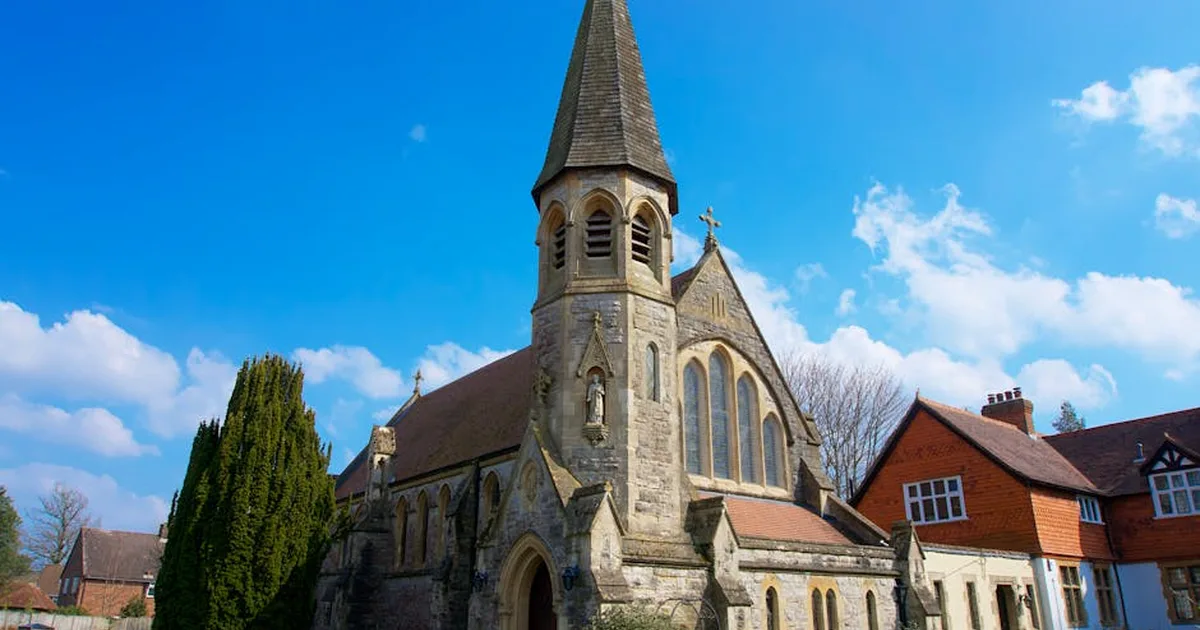
Recently, a church in Hampshire hosted an outreach evening at a local restaurant, inviting friends and neighbors to discuss exactly this question: 'Is Christianity just a leap of faith?' The event created a warm, welcoming space for honest conversation—no pressure, just people sharing their thoughts and questions over a good meal. It reminded me that faith is not something we have to hide or defend aggressively; it can be explored gently, with curiosity and respect.
If you have ever wondered whether your faith—or lack of it—is reasonable, you are not alone. Many people wrestle with doubt, and that is okay. The Bible itself is full of honest questions, from the psalmists crying out 'Why?' to Thomas needing to touch Jesus' wounds. Faith and doubt can coexist, and asking hard questions can actually strengthen our trust in God.
What Faith Really Means
The word 'faith' can be misunderstood. In everyday language, we say 'I have faith that the chair will hold me' or 'I have faith that the sun will rise tomorrow.' That kind of faith is based on past experience and reliability. Biblical faith is similar—it is trust in a person, God, based on what He has shown us through creation, Scripture, and most clearly through Jesus Christ.
Now faith is the assurance of things hoped for, the conviction of things not seen. (Hebrews 11:1, ESV)
This verse does not say faith is believing without evidence. Instead, it describes faith as being sure of what we hope for and certain of what we do not yet see. It is like trusting a pilot to fly a plane—you cannot see the cockpit instruments from your seat, but you trust the pilot's training and the plane's design. In the same way, Christians trust God's character and promises, even when we cannot see the whole picture.
Everyone Lives by Faith
Think about your daily life. When you eat at a restaurant, you trust that the kitchen is clean and the food is safe. When you drive, you trust that other drivers will follow the rules. When you take medicine, you trust the pharmacist and the manufacturer. We all exercise faith dozens of times a day without thinking twice. The real question is not whether we have faith, but where we place it—and whether that faith is well-founded.
Even atheism requires a kind of faith. If you do not believe in God, you still have to make assumptions about how the universe began, where moral values come from, and whether life has ultimate meaning. As one speaker at the Hampshire event put it, 'Ultimately you have to choose your miracle—the virgin birth of Jesus or the virgin birth of the universe.' Both require trust in something beyond our direct observation.
Reasons to Believe
Christianity offers solid reasons for its claims. Historically, the life, death, and resurrection of Jesus are supported by multiple ancient sources, including non-Christian historians. The transformation of the apostles—from frightened deserters to bold martyrs—points to something real happening. The growth of the early church in the face of persecution also testifies to the power of the resurrection message.
Philosophically, arguments from design, morality, and human longing all point toward a Creator. The universe appears fine-tuned for life; our sense of right and wrong seems universal; and deep down, we all long for purpose and eternity. As the writer of Ecclesiastes says, God has 'put eternity into man's heart' (Ecclesiastes 3:11, ESV).
Relationally, millions of people across centuries have experienced God's presence, guidance, and transformation in their lives. While personal experience is not proof for others, it is a powerful witness to the reality of a living God who interacts with His people.
Why Jesus Is Unique
With so many religions and spiritual paths in the world, why choose Christianity? The answer lies in the uniqueness of Jesus. He claimed to be God in human flesh—not just a teacher or prophet, but the way, the truth, and the life (John 14:6). He demonstrated His authority over nature, disease, demons, and even death itself. His resurrection is the cornerstone of Christian faith, and it sets Him apart from every other religious founder.
Other religions often teach that we must earn our way to God through good works or enlightenment. Christianity teaches that God came to us in Christ, offering forgiveness and eternal life as a free gift of grace. This is good news for everyone, because it means we don't have to measure up—we just have to receive.
For by grace you have been saved through faith. And this is not your own doing; it is the gift of God, not a result of works, so that no one may boast. (Ephesians 2:8-9, ESV)
This grace-based faith is both liberating and humbling. It frees us from the burden of trying to earn God's love, and it invites us into a relationship that transforms us from the inside out.
Putting Faith into Practice
Faith is not just a set of beliefs; it is a way of life. It shapes how we see the world, how we treat others, and how we face challenges. When we trust God, we can pray with confidence, love our neighbors sacrificially, and find hope even in suffering. The early Christians were known for their joy and generosity, and that same spirit can be ours today.
If you are exploring faith, start by reading one of the Gospels—Mark is short and action-packed. Talk to a Christian friend about their journey. Visit a local church that welcomes questions. And most importantly, talk to God honestly, even if you are not sure He exists. He is big enough to handle your doubts.
The Christian faith is not a blind leap into the dark. It is a step into the light—a step based on good reasons, grounded in history, and sustained by a relationship with the One who made us and loves us.
Reflection Questions
- What does the word 'faith' mean to you? Has your understanding changed over time?
- Can you think of a time when trusting God felt risky but turned out to be worthwhile?
- How might your life look different if you fully believed that God is trustworthy in every area?





Comentarios