
Pastor Yuna Sabet knows what it’s like to face danger in Iran.
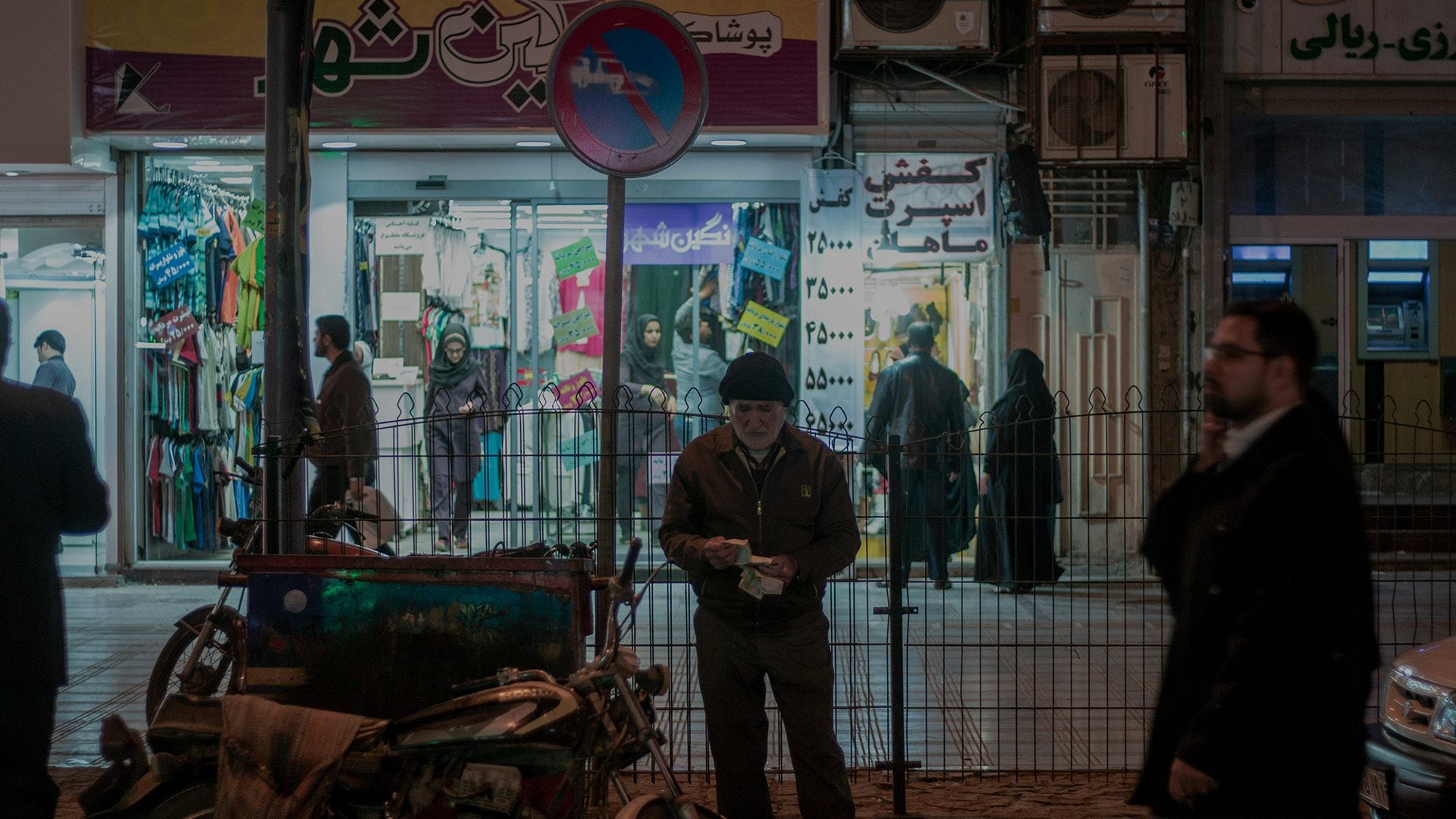
For years, he and his wife served house churches in the Islamic Republic where they were both born. Being a Christian was dangerous, even deadly. In 1994, his own pastor was executed by the regime.
“Converting to Christianity in Iran means playing with fire,” he says. “You will pay a huge sacrifice.”
For Sabet and his wife, the sacrifice meant leaving the country they love: After spending three months in jail for their faith in 2008, the couple left for Dubai. When the government didn’t renew their visas, they fled to the U.S.
That was 15 years ago.
Today, Sabet is senior pastor of Walnut Creek Persian Church in California. The congregation includes 65 believers from Muslim backgrounds. He’s deeply grateful for the ministry, but longs to return to Iran.
“We are waiting for the moment that doors are open and we can publicly go inside—for me after 18 years,” he says. “To go back and see my people and share the gospel with them. To see churches coming out from the underground and praising openly.”
More than a month after the U.S. began military strikes in Iran, it’s not clear if or when that moment might arrive. But that hasn’t stopped Sabet from dreaming of what it could eventually look like.
And it hasn’t stopped believers inside Iran from making the most of a unique window to share Christ with those around them. Even through bombings, Sabet says Iranian believers have told him: “We are using this opportunity.”
DEFYING DANGER AND OFFERING JESUS
Eighteen years after Sabet left, it’s still dangerous to follow Jesus in Iran. Believers face intense persecution, and can lose their jobs, their homes, their families, their freedom, and even their lives.
But they keep going.
It’s hard to know how many believers are in Iran, but some put the estimate as high as 1 million. Even if that’s an overestimate, it’s clear the underground church has grown rapidly, despite persecution. Or perhaps even because of it.
“It’s very interesting because this regime helped proclaim the gospel,” says Sabet.
Of course, that’s not what the regime intended. “But we see churches growing when persecution comes,” he says. “All of that persecution prepared Muslims’ hearts to be open to the gospel.”
Hearts are still open.
Though it’s difficult to reach anyone inside Iran at the moment (authorities have cut internet access and phone calls from the outside), Sabet says Iranian believers that he knows have been able to communicate with him.
Even though bombs are falling, and it’s often unsafe to venture out, Sabet says the believers told him: “We are using this hardship and this suffering to reach out to wounded people, or people who lost family members, or who are scared …We share the gospel with them and tell them about the true God. We tell them Jesus is the Savior.”
Believers are inviting neighbors into their homes, and neighbors are asking for more fellowship and prayer. Even in danger, says Sabet, believers aren’t remaining isolated: “They are being light. They are being bold.”
A DEEP DESIRE TO FINISH THE JOB
Meanwhile, Sabet and other Iranian believers outside the country are making bold plans.
Church members brainstorm about ways to spread the gospel and help Iranian believers, if they are able to return someday. They’ve also started organizing Iranian professionals who could help the country under a new government—engineers, doctors, lawyers.
Sabet is also asking non-Iranian churches to consider: “Are you ready to help these people? If the doors open, are we ready to go?”
He’s also aware there’s another possibility. That the doors won’t open. That the regime won’t change. That this moment will pass. He hopes that doesn’t happen, but he says believers are preparing for that possibility too.
In that case, Sabet thinks life would grow even harder for Christians: “But we’ll need to maintain and encourage what we already have. We’ll need to equip and help pastors and underground churches.”
In the meantime, he asks believers around the world to pray that Iranian Christians will continue to boldly share the gospel, both inside Iran and outside of the country. Pray for Iranians who have lost families or friends or homes. Pray that believers will trust God’s sovereignty “for the result God actually wants, not just what we look for.”
But Sabet also doesn’t stop praying that one day he’ll be able to return.
“If those doors open, that’s my plan—to go back and finish the job,” he says. “I left the job, and I’d love to go back and finish it. To finish the good race that God gave to me.”




Comentarios