
Over the past two decades, the church I serve has changed in significant ways, growing and shrinking as leadership shifted and structures matured. Yet one conviction has only strengthened with time: If we are going to call ourselves a sending church, we cannot outsource the care of those we send.
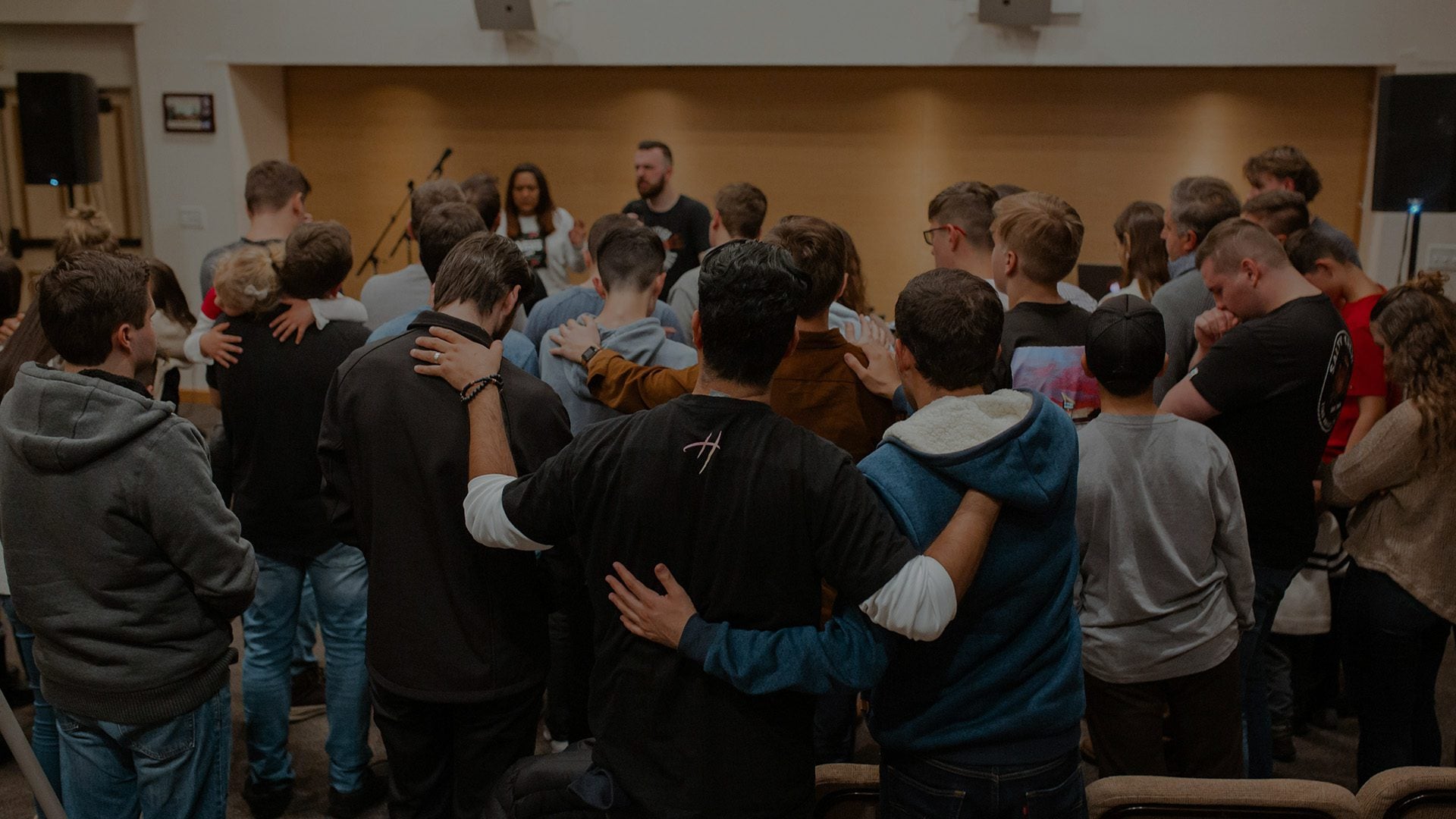
Agencies and networks play an important role, but the responsibility to shepherd sent-ones belongs first to the local church. Shepherding requires more than reading updates and partnering financially. It means actually knowing the people we have sent.
In our own church, one of the most significant influences on our missionary care has not been a program, but a faithful deacon. She has given 15 hours a week for a decade to help build a culture of care. Her steady presence has shaped the health of our sent-ones in profound ways.
So let me ask you: How well do you actually know your missionaries? You cannot effectively shepherd people you do not truly know. Here are three convictions that have shaped our commitment to know and faithfully care for the people we send:
1. THE CHURCH OWNS THE RESPONSIBILITY
In Acts 13, the Holy Spirit sets apart Paul and Barnabas within the local church at Antioch. The elders lay hands on them and send them out. In Acts 14, Paul returns to that same church to report “all that God had done with them.” The pattern is clear: the church sends, the church receives, and the church sustains.
The Great Commission was entrusted to the church. If we lay hands on someone, we take responsibility for them. At Sojourn Midtown, that means we train, send, support, and shepherd those called to the nations—spiritually, relationally, and financially—long after commissioning Sunday.
2. RENEWAL MUST DRIVE MISSION
If we prioritize fruitfulness over faithfulness, we will slowly crush the souls of the people we send. Cross-cultural ministry can easily drift toward performance metrics, but Jesus says in John 15: “Abide in me…apart from me you can do nothing.”
This conviction is simple: Renewal drives mission. Our sent-ones are not first producers. They are sons and daughters. Their primary call is not to do for God, but to be with God. That shapes how we care.
At its core, care looks like discipleship and development, and helping our people remain rooted in Christ for the long haul. It means asking real questions about the condition of their souls, not just how their strategy is working. It also means making room for honest conversations about fatigue, marriage strain, leadership pressure, and loneliness long before any of those realities reach a breaking point.
When those conversations are decoupled from performance, honesty and vulnerability increases. That kind of safety is not always possible within an agency structure, but it can be possible with a sending church. We have learned that this begins before anyone boards a plane. In our pipeline, we assess character and maturity early. That groundwork makes long-distance care over Zoom far more meaningful later. Partnerships move at the speed of relationship. That is true church to an organization, but it is especially true church to a sent-one.
3. CARE REQUIRES REAL PARTNERSHIP
While we believe the local church owns the primary responsibility to care for those we send, we also see in Acts that mission was never individualistic—it was collaborative. No single person or church can do everything, and we certainly do not have in-house expertise for every need our sent-ones carry.
Care is collaborative, and it must match your actual capacity. When conflict escalates, whether in a marriage or on a team, I bring in elders and other leaders to share the weight. Areas like caring for children living in a third culture, trauma-informed counseling, or business as mission coaching often require external partnership. But partnership requires humility.
Larger churches can have the tendency to assume they should build everything internally. That instinct can drift toward institutional arrogance.
Owning care does not mean doing everything on your own. It means knowing your limits and being honest about them. So, it is good to ask hard questions: What gifts has God given your church, and where are the gaps? Where are your sent-ones thriving, and where are they struggling? The answers should shape both your care and your training.
When done well, missionary care addresses the spiritual, emotional, relational, and practical realities of life rooted in the gospel. The aim is steady, proactive care, not only responding in a crisis.
When we send people in the name of Jesus, we are not sending a strategy but sons and daughters. Churches are not called to subcontract shepherding. If the local church is central in sending, then it must also be central in caring.





Comentarios