
Every city tells a story. Walk down any street, and you'll see it in the architecture, the street art, the faces of the people passing by. There's the new coffee shop that roasts its own beans, a symbol of creativity and entrepreneurship. And just a block away, there's a shuttered storefront with a handwritten sign pleading for rent assistance. The city is not neutral; it's a tapestry woven with threads of flourishing and fracture, hope and hurt.
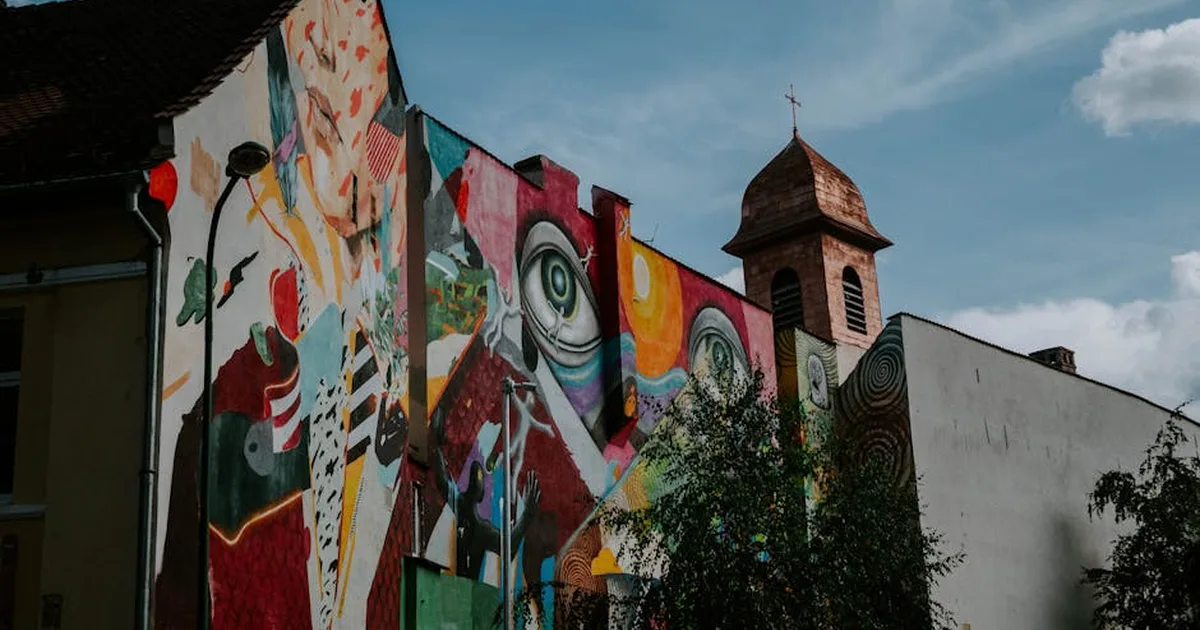
As Christians, we are called to be present in this complex landscape. But how do we engage a place that is both vibrant and vulnerable without losing sight of our mission? It's a question that many believers and churches wrestle with, especially when the needs are so visible and the culture so influential.
The Two Drifts: Withdrawal and Assimilation
When we face the challenges of city life, it's easy to drift in one of two directions. The first is withdrawal. We can become fearful of the crime, the noise, the diversity of beliefs, and the moral ambiguity. So we pull back, creating safe enclaves that shield us from the messiness of urban life. We might still serve the city from a distance, but we're no longer truly in it.
The second drift is assimilation. We can become so comfortable with the city's rhythms and values that we blend in completely. We adopt its priorities, its language, its definition of success. Before long, there's nothing distinct about our presence. Our faith becomes a private matter, and we lose the urgency to share the hope that is within us.
Both drifts are dangerous. Withdrawal leads to irrelevance; assimilation leads to compromise. The call of Christ is different: to be in the world but not of it (John 17:14-16). That means we need a third way—a way that loves the city deeply while staying anchored to our mission.
Remembering the Mission: The Great Commandment and the Great Commission
To avoid drifting, we must regularly remind ourselves of our purpose. The Scriptures give us two foundational mandates that work together. The Great Commandment calls us to love God with all our heart, soul, mind, and strength, and to love our neighbor as ourselves (Mark 12:30-31). The Great Commission calls us to go and make disciples of all nations, baptizing them and teaching them to obey everything Jesus commanded (Matthew 28:19-20).
Sometimes we separate these two, thinking the Great Commandment is for local compassion and the Great Commission is for global evangelism. But both are for every believer and every church, wherever we are. Loving our neighbor includes meeting their physical needs, but it can never be complete without sharing the good news of Jesus. Making disciples involves teaching people to love God and others. The two are inseparable.
As one pastor put it, "We don't choose between feeding the hungry and preaching the gospel. We do both, because Jesus did both." When we remember this, our engagement with the city becomes holistic. We don't just run a food pantry; we build relationships and share our faith. We don't just invite people to church; we also walk alongside them in their struggles.
Practical Steps to Stay on Mission
1. Pray for the City
Start by praying for your city. Pray for its leaders, its schools, its businesses, and its neighborhoods. Ask God to show you where He is already at work. Prayer aligns our hearts with God's heart and reminds us that the city belongs to Him. It also helps us see the city through eyes of compassion rather than criticism.
2. Build Relationships, Not Just Programs
It's easy to create programs that serve the city without ever forming genuine relationships. But mission is relational. Jesus walked with people, ate with them, and listened to them. When we engage the city, we should prioritize presence over efficiency. Volunteer at a local school not just to tutor, but to know the names and stories of the students. Join a neighborhood association to be a voice of grace, not just to push an agenda.
3. Speak the Gospel Naturally
Our good works are meant to open doors for the gospel. As we serve, we should look for opportunities to share why we do what we do. This doesn't mean handing out tracts on every street corner, but it does mean being ready to give an answer for the hope that we have (1 Peter 3:15). When someone asks why you spend your Saturday cleaning up the park, be honest: "Because Jesus loved me, and I want to love this city like He does."
4. Disciple in the Context of the City
Discipleship doesn't just happen in church buildings. It happens in coffee shops, on subway platforms, and in living rooms. Equip believers to live out their faith in the everyday spaces of the city. Teach them how to engage their coworkers, how to steward their resources for the common good, and how to navigate cultural issues with grace and truth.
5. Celebrate the City's Gifts
The city is not just a mission field; it's also a gift. Enjoy its art, its food, its diversity. Thank God for the good things that are happening. When we celebrate the city's flourishing, we show that we are not against the city but for it. This posture builds trust and opens doors for deeper conversations.
Avoiding the Extremes
It's important to hold the tension between love and truth, between compassion and proclamation. Some churches focus so much on social justice that they neglect evangelism. Others focus so much on evangelism that they ignore the physical needs right in front of them. Both extremes miss the full mission of God.
The prophet Jeremiah wrote to the exiles in Babylon, "Seek the welfare of the city where I have sent you into exile, and pray to the Lord on its behalf, for in its welfare you will find your welfare" (Jeremiah 29:7, ESV). This verse reminds us that our well-being is tied to the well-being of our city. We are not called to escape the city but to seek its peace.
Reflection: Where Are You Drifting?
Take a moment to examine your own heart and your church's ministry. Are you more inclined to withdraw from the city or to assimilate into it? What would it look like for you to love your city more intentionally this week without losing your mission? Perhaps it's as simple as learning the name of your neighbor, or as bold as starting a conversation about faith with a coworker.
The city is not an obstacle to our mission; it is the place where our mission unfolds. God loves the city, and He has placed us there as agents of His grace. Let us engage with courage and humility, trusting that the same Jesus who wept over Jerusalem is with us as we seek the welfare of our own cities.
"For God so loved the world..." (John 3:16, NIV)
He loved it enough to send His Son. And He sends us into the city with the same love—a love that meets needs and proclaims hope, a love that stays true to the mission without drifting.




Comentarios