
Prayer stands at the center of Christian faith—the vital communication that sustains our relationship with God. Yet many believers struggle with prayer, wondering if their prayers matter, whether God really listens, and how to pray effectively. Understanding prayer's nature and purpose transforms this struggle into joyful communion with our heavenly Father.
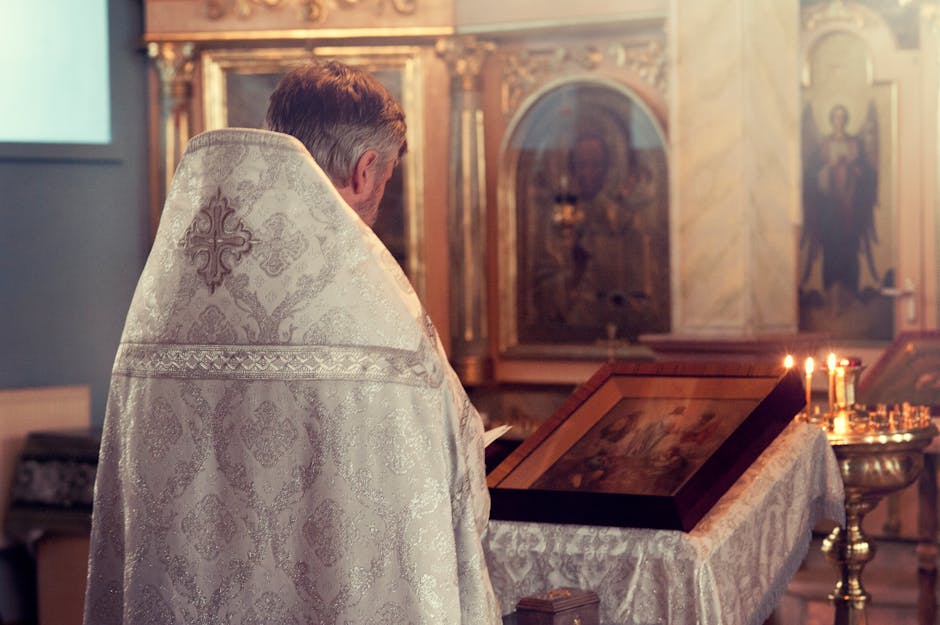
Pope Leo XIV teaches that "prayer is not merely a religious duty but the breath of the spiritual life. Just as physical breath sustains our bodies, prayer sustains our souls through ongoing conversation with the God who loves us and desires intimate relationship with his children."
The Biblical Foundation of Prayer
Scripture reveals prayer as God's intended means of communication with his people: Jesus modeled prayer throughout his earthly ministry, rising early to spend time alone with the Father. The disciples asked Jesus to teach them to pray, recognizing its importance in his life (Luke 11:1). Paul commands Christians to "pray without ceasing" (1 Thessalonians 5:17), indicating prayer's ongoing role. The Old Testament records numerous prayers of faithful people seeking God's guidance, help, and blessing. Scripture promises that God hears and responds to the prayers of his people (1 John 5:14-15).
Prayer is not human invention but divine invitation to approach our Creator with confidence.
Jesus as Our Example
Christ's prayer life demonstrates the importance of regular, intimate communication with the Father even for the Son of God himself.
The Nature of Prayer
Prayer encompasses various forms of communication with God: **Adoration**: Praising God for his character, attributes, and mighty works. **Confession**: Acknowledging sin and receiving forgiveness and cleansing. **Thanksgiving**: Expressing gratitude for God's blessings and answered prayers. **Supplication**: Making requests for personal needs, concerns, and desires. **Intercession**: Praying for others' needs, salvation, and spiritual growth. **Petition**: Asking God for specific intervention in circumstances and situations. **Listening**: Creating space to hear God's voice through Scripture, circumstances, and inner prompting.**
Balanced prayer includes all these elements rather than focusing exclusively on making requests.
The ACTS Model
Adoration, Confession, Thanksgiving, and Supplication provide a helpful framework for comprehensive prayer that honors God while addressing human needs.
God's Heart for Prayer
Understanding God's desire for prayer relationship encourages faithful practice: **Loving Father**: God wants to hear from his children and delights in our communication with him. **Sovereign Ruler**: God invites us to participate in his governance of the world through intercessory prayer. **Generous Provider**: God promises to supply our needs when we ask according to his will. **Wise Counselor**: God offers guidance and wisdom to those who seek his direction through prayer. **Faithful Friend**: God desires intimate relationship characterized by honest, regular communication. **Merciful Forgiver**: God eagerly grants forgiveness to those who confess their sins in prayer.**
God's character provides the foundation for confident prayer approach.
Access Through Christ
Jesus' death and resurrection opened the way for believers to approach God directly without fear or condemnation (Hebrews 4:16).
Common Prayer Struggles
Many believers face similar challenges in developing consistent prayer life: **Distraction**: Difficulty concentrating during prayer due to wandering thoughts and external interruptions. **Doubt**: Questioning whether God actually hears or cares about their prayers. **Formality**: Feeling constrained by "proper" prayer language rather than authentic communication. **Unanswered Requests**: Discouragement when prayers seem to go unanswered or are answered differently than expected. **Time Constraints**: Struggle to find adequate time for meaningful prayer amid busy schedules. **Spiritual Dryness**: Periods when prayer feels mechanical or emotionally empty. **Theological Confusion**: Questions about God's sovereignty and the effectiveness of human prayer.**
These struggles are normal and can be addressed through better understanding of prayer's nature and purpose.
Growth Through Difficulty
Prayer challenges often lead to deeper understanding and more authentic relationship with God when handled with patience and faith.
Developing Prayer Life
Growing in prayer requires intentional effort and practical strategies: **Regular Schedule**: Establish consistent times and places for prayer to build healthy spiritual habits. **Honest Communication**: Pray authentically about real concerns rather than using artificially spiritual language. **Scripture Integration**: Use biblical passages to guide and inspire prayer content and focus. **Prayer Lists**: Keep written records of prayer requests and answered prayers for organization and encouragement. **Variety in Methods**: Experiment with different prayer styles—spoken, silent, written, walking, or singing. **Community Prayer**: Participate in group prayer to learn from others and experience corporate intercession. **Persistent Practice**: Continue praying even during seasons when it feels difficult or unrewarding.**
Consistency matters more than perfection in developing meaningful prayer life.
Small Steps, Big Changes
Beginning with brief, simple prayers and gradually expanding creates sustainable prayer habits that grow over time.
Understanding God's Answers
God responds to prayer in various ways that require spiritual discernment: **Yes**: God grants requests that align with his will and timing. **No**: God denies requests that would harm us or conflict with his purposes. **Wait**: God delays answers until we or circumstances are ready for his response. **Different**: God provides better solutions than what we requested or imagined. **Growth**: God uses prayer to transform our hearts rather than always changing circumstances. **Mystery**: Some prayer answers remain unclear from our limited human perspective.**
Faith trusts God's wisdom even when his answers differ from our preferences or expectations.
God's Perfect Timing
Divine timing often differs from human urgency, but God's delays serve purposes beyond our understanding.
The Role of Faith in Prayer
Biblical prayer requires faith that transforms both prayer and pray-er: **Confidence**: Belief that God hears and will respond according to his perfect will. **Expectation**: Anticipation that God will act even when we cannot predict how or when. **Submission**: Willingness to accept God's answers even when they differ from our desires. **Persistence**: Continued prayer despite delays or apparent lack of response. **Gratitude**: Thanksgiving for God's character and promises regardless of circumstances. **Trust**: Reliance on God's wisdom and love even in confusing situations.**
Faith enables prayer that honors God and experiences his peace regardless of outcomes.
Faith and Feelings
Prayer effectiveness depends on faith in God's character rather than the intensity of our emotions or the eloquence of our words.
Corporate Prayer
Praying with others offers unique benefits and challenges: **Mutual Encouragement**: Group prayer provides support and inspiration for individual prayer life. **Shared Burdens**: Corporate intercession allows believers to carry one another's concerns collectively. **Diverse Perspectives**: Group prayer exposes us to different ways of approaching and understanding prayer. **Unified Power**: Jesus promised special blessing when believers pray together in agreement (Matthew 18:19-20). **Accountability**: Praying with others creates natural accountability for consistent prayer practice. **Community Building**: Shared prayer deepens relationships and builds church unity.**
Balance individual and corporate prayer for complete spiritual development.
The Early Church Model
Acts describes the early Christians as devoted to prayer both individually and corporately, creating a culture of dependence on God.
Prayer and Daily Life
Authentic prayer integrates with ordinary living rather than being confined to formal religious times: **Conversational Prayer**: Brief, ongoing communication with God throughout daily activities. **Situational Prayer**: Asking for God's help in specific moments of need or decision. **Gratitude Practice**: Regularly thanking God for blessings noticed during daily life. **Intercession Opportunities**: Praying for people encountered throughout the day. **Decision Consultation**: Seeking God's guidance before making important choices. **Crisis Response**: Turning to prayer immediately when facing difficulties or emergencies.**
Prayer becomes natural response to life's joys, challenges, and ordinary moments.
Brother Lawrence's Legacy
The practice of maintaining constant awareness of God's presence transforms daily work and activities into forms of prayer.
Prayer for Spiritual Warfare
Prayer serves as essential weapon in spiritual battles against evil: **Protection**: Asking God's protection from temptation, spiritual attack, and evil influences. **Offensive Prayer**: Praying against spiritual forces that oppose God's kingdom and people. **Discernment**: Seeking wisdom to recognize and respond appropriately to spiritual opposition. **Authority**: Exercising spiritual authority through prayer based on Christ's victory. **Persistence**: Continued prayer despite spiritual resistance or opposition. **Community Coverage**: Praying for spiritual protection and strength for other believers.**
Prayer engages believers in cosmic conflict between good and evil with confidence in Christ's ultimate victory.
The Armor of God
Paul describes prayer as essential component of spiritual armor needed for effective Christian living (Ephesians 6:18).
Special Types of Prayer
Different situations call for specific prayer approaches: **Healing Prayer**: Asking God for physical, emotional, or spiritual healing for ourselves or others. **Blessing Prayer**: Invoking God's favor and goodness upon people and situations. **Breakthrough Prayer**: Persistent intercession for seemingly impossible or long-delayed requests. **Warfare Prayer**: Specific opposition to spiritual forces affecting individuals, communities, or nations. **Prophetic Prayer**: Prayer guided by specific revelation or spiritual insight. **Contemplative Prayer**: Quiet, meditative prayer focused on being present with God rather than making requests.**
Different prayer types serve different spiritual needs and circumstances.
Prayer and Fasting
Combining prayer with fasting intensifies spiritual focus and dependence on God: **Biblical Precedent**: Scripture records numerous examples of prayer and fasting together. **Spiritual Intensity**: Fasting demonstrates seriousness and urgency in prayer requests. **Physical Reminder**: Hunger pangs serve as consistent reminders to pray throughout the day. **Spiritual Clarity**: Fasting often enhances spiritual sensitivity and ability to hear God's voice. **Self-Discipline**: Fasting develops spiritual discipline that strengthens prayer life. **Corporate Fasting**: Churches sometimes fast together for specific prayer concerns or spiritual breakthrough.**
Fasting should be motivated by spiritual purposes rather than attempts to manipulate God.
Conclusion: The Privilege of Prayer
Prayer is not a burden but a magnificent privilege—direct access to the Creator of the universe who invites us into intimate relationship with himself. Through prayer, we participate in God's work in the world, receive his guidance and comfort, and experience the peace that comes from casting our cares upon him.
Understanding prayer's nature transforms it from religious obligation into joyful communion. As we grow in prayer, we discover that it changes us as much as it influences our circumstances, conforming our hearts to God's will while providing the strength and wisdom needed for faithful Christian living.




Comentarios