
Children's picture books often get dismissed as simple entertainment, but the best ones are miniature works of theology. They take complex truths about God, identity, and grace and distill them into images and words that even the youngest minds can grasp. In a world where children are bombarded with messages about who they should be, a well-crafted story can plant seeds of biblical wisdom that grow for a lifetime.
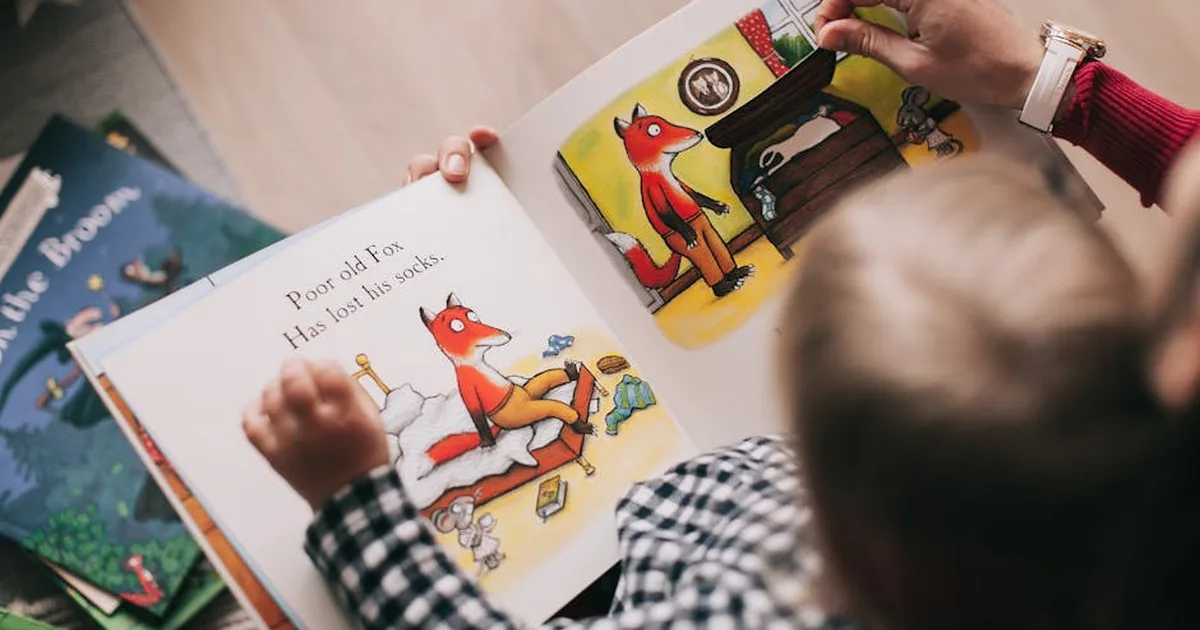
Think of a picture book as a small window into a vast landscape. The words and pictures work together to reveal something true about God's world and our place in it. When we read to our children, we are not just passing time; we are shaping their imaginations and helping them see reality through the lens of faith.
“Your word is a lamp to my feet and a light to my path.” — Psalm 119:105 (ESV)
This verse reminds us that God's truth illuminates every step, even for the youngest among us. Picture books can be a gentle introduction to that light, offering stories that reflect God's design and love.
Identity and Contentment: Learning to Delight in God's Design
One of the most pressing questions children face is, “Who am I?” In a culture that often tells them they can be anything they want, the Bible offers a different foundation: we are created by God for a purpose. Picture books that explore identity from a Christian perspective help children understand that their worth comes from being made in God's image, not from their feelings or achievements.
The Danger of Chasing False Identities
Many popular children's stories celebrate the idea that you can become whatever you imagine. While imagination is a gift from God, the belief that we can redefine ourselves apart from our Creator leads to confusion and disappointment. When a child decides they want to be a bird or a superhero, the story often ends with a lesson about limits. But without a biblical anchor, that lesson can feel hollow.
Christian picture books offer a better way. They show characters who learn to embrace the bodies and abilities God has given them. For example, a story about a young bird who tries to swim like a fish might end with the bird discovering the joy of flying. This is not just a lesson in accepting limitations; it is a celebration of God's unique design for each creature.
“I praise you, for I am fearfully and wonderfully made. Wonderful are your works; my soul knows it very well.” — Psalm 139:14 (ESV)
This verse becomes a reality when children see themselves as part of God's wonderful creation. Picture books that highlight this truth help build a foundation of gratitude and self-worth that is not based on performance or popularity.
Biblical Theology Made Accessible: Ruth and Redemption
The Old Testament book of Ruth is a masterpiece of storytelling, but its themes of loyalty, redemption, and God's providence can be challenging for young readers. Picture books that retell these stories in an age-appropriate way open the door to deeper understanding. By focusing on the relationship between Ruth and Naomi, children learn about faithfulness and God's care for the vulnerable.
These books do not need to explain every theological nuance. Instead, they invite children into the narrative, allowing them to experience the emotions and decisions of the characters. When Ruth chooses to stay with Naomi, a child sees a picture of commitment. When Boaz shows kindness, they glimpse God's provision. Later, when they encounter the full story in the Bible, they already have a framework for understanding God's redemptive plan.
“But Ruth said, ‘Do not urge me to leave you or to return from following you. For where you go I will go, and where you lodge I will lodge. Your people shall be my people, and your God my God.’” — Ruth 1:16 (ESV)
This famous verse comes alive in a well-illustrated book. Children can see Ruth's determination and love, and they can begin to grasp the concept of covenant loyalty that runs throughout Scripture.
Practical Tips for Choosing and Using Picture Books
Not every picture book with a Christian label is created equal. Here are some guidelines for selecting books that will nurture your child's faith without being preachy or shallow.
- Look for authentic storytelling. The best books have a compelling plot and characters that children care about. The spiritual lesson should emerge naturally from the story, not be tacked on at the end.
- Check the theology. Does the book accurately reflect biblical truth? Avoid books that reduce God's love to a vague sentiment or that promise that God will give you everything you want.
- Consider the illustrations. Art is a powerful teacher. Look for illustrations that are beautiful and engaging, but also appropriate for your child's age. Some children are frightened by dark or overly realistic images.
- Read together and talk. The real value of a picture book comes from the conversations it sparks. Ask your child questions: “Why do you think the character made that choice? What would you have done? How does this story show God's love?”
Remember that picture books are not just for preschoolers. Many older children and even adults can appreciate the depth of a well-crafted picture book. Reading aloud as a family can be a wonderful way to bond and discuss faith together.
Conclusion: Planting Seeds for a Lifetime
Every time you open a picture book with a child, you are investing in their spiritual formation. The stories you share become part of their understanding of God, themselves, and the world. By choosing books that are grounded in Scripture and beautifully told, you are giving them a gift that will bear fruit for years to come.
As you read, remember that the Holy Spirit works through these small moments. A simple story about a lost sheep or a kind neighbor can open a child's heart to the gospel. Do not underestimate the power of a picture book. It is a tool for discipleship, a source of comfort, and a window into the kingdom of God.
Reflection Question: What is one picture book that has shaped your own faith, and how can you share that story with a child in your life this week?




Comentarios