
We live in an age of information overload, yet we struggle to remember what truly matters. Civilizations, like individuals, can be forgotten. The historian Allen Guelzo and his colleague James Hankins have argued that being forgotten is a fate worse than condemnation. For Western civilization, the threat is not merely criticism but erasure. When we stop teaching our history, we lose the threads that connect us to the past. The Bible reminds us of the importance of remembrance: “Remember the days of old; consider the years of many generations; ask your father, and he will show you, your elders, and they will tell you” (Deuteronomy 32:7, ESV). Remembering is an act of faithfulness.
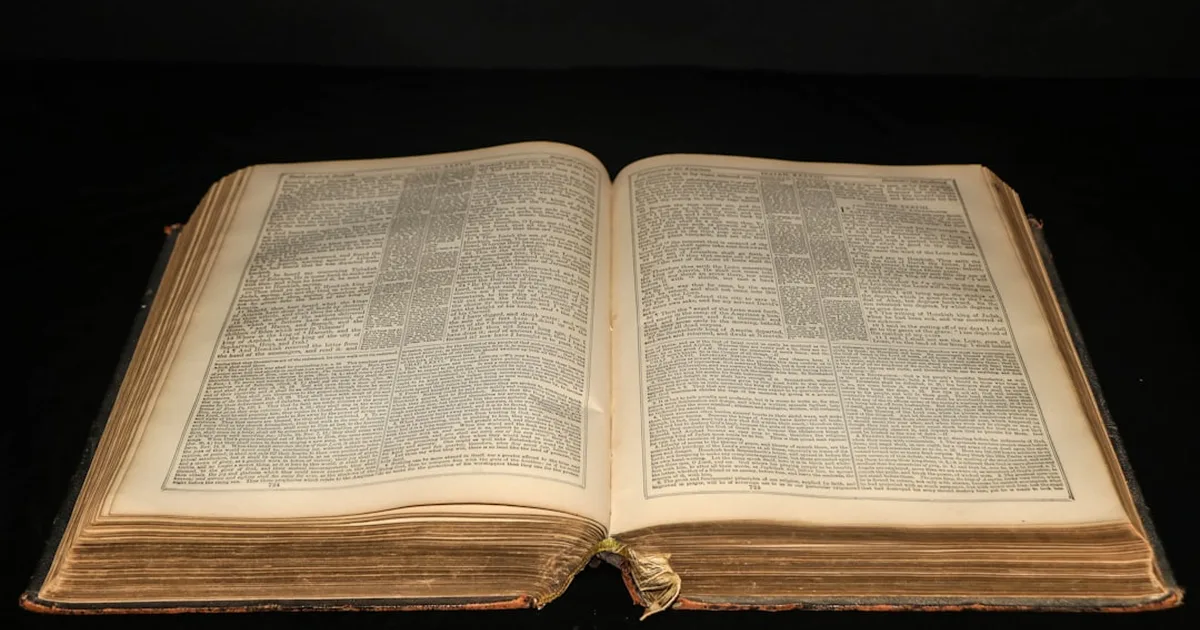
Defining Western Civilization
What do we mean when we say “Western civilization”? It is not a single culture or nation but a tradition shaped by Athens, Jerusalem, and Rome. From the Greeks we inherited philosophy and democracy; from the Hebrews, a sense of moral law and covenant; from Rome, law and governance. Christianity wove these threads together, creating a civilization that valued the individual, reason, and redemption. Yet the West has also been guilty of imperialism, slavery, and exploitation. A Christian perspective does not ignore these sins but acknowledges them, seeking repentance and renewal. As Scripture says, “For all have sinned and fall short of the glory of God” (Romans 3:23, ESV). No civilization is perfect, but we can learn from both its triumphs and its failures.
Self-Criticism as a Strength
One of the West's greatest strengths is its capacity for self-criticism. The Enlightenment, for all its flaws, encouraged questioning of authority. The Reformation challenged the church to return to its foundations. The Civil Rights movement in the United States drew on biblical justice to confront systemic racism. This ability to critique itself is rooted in the Christian concept of repentance. However, self-criticism can become self-destructive if it loses sight of what is good. We must balance honesty with gratitude, acknowledging the blessings of freedom, science, and human dignity that the West has helped spread.
The Crisis of Confidence
After the fall of communism in 1989, many thought the West had triumphed. Yet the following decades brought a crisis of confidence. The wars in Iraq and Afghanistan, the 2008 financial crisis, and the rise of populism have shaken faith in Western institutions. Some argue that the West is in decline, while others see a necessary transformation. From a Christian perspective, no earthly kingdom is eternal. Our ultimate hope is in the kingdom of God. As Jesus said, “My kingdom is not of this world” (John 18:36, ESV). This does not mean we abandon our responsibilities, but it frees us from the idolatry of any civilization.
The Role of Christianity
Christianity has been a central force in shaping the West. The belief that every person is made in the image of God (Genesis 1:27) underlies concepts of human rights. The church established hospitals, universities, and charitable institutions. The Protestant work ethic fueled economic development. Yet the West is now largely secular, and many see Christianity as irrelevant. The challenge for Christians today is to live out our faith in a way that is winsome and engaged, not defensive or triumphalist. As Peter writes, “Always be prepared to give an answer to everyone who asks you to give the reason for the hope that you have. But do this with gentleness and respect” (1 Peter 3:15, ESV).
Learning from the Past
History is full of contingency—moments when decisions shaped the future. The fall of the Roman Empire, the Reformation, the world wars—each was a turning point. Christians believe that God works in history, but we also make choices that have consequences. The rebuilding of Europe after World War II by leaders like Konrad Adenauer and Charles de Gaulle showed that renewal is possible. The civil rights movement, led by figures like Martin Luther King Jr., drew on the prophetic tradition of the Bible. We can learn from these examples of courage and faith.
Technology and Memory
Today, technology shapes how we remember. Social media and search engines give us instant access to information, but they also fragment our attention. We risk losing the deep, narrative understanding of history that comes from reading books and engaging with the past. Artificial intelligence could revive classical education by making primary sources accessible, but it could also replace critical thinking. As Christians, we must be intentional about passing on our heritage to the next generation. The psalmist writes, “We will not hide them from their children, but tell to the coming generation the glorious deeds of the Lord, and his might, and the wonders that he has done” (Psalm 78:4, ESV).
Practical Reflections
How can we apply these insights to our lives? First, we can commit to learning our own history—both the good and the bad. Read a book about a historical event or figure. Visit a museum. Talk to older relatives about their experiences. Second, we can engage with our culture thoughtfully, neither rejecting it nor uncritically accepting it. Third, we can pray for our leaders and for wisdom in navigating the challenges of our time. Finally, we can remember that our ultimate citizenship is in heaven, but that does not excuse us from loving our neighbor and seeking the common good here on earth.
“He has told you, O man, what is good; and what does the Lord require of you but to do justice, and to love kindness, and to walk humbly with your God?” (Micah 6:8, ESV)
As you reflect on the story of Western civilization, consider what threads you want to pass on to future generations. What stories of faith, courage, and redemption will you share? The golden thread of history is not just about the past—it is about the choices we make today.




Comentarios