
Dear readers, today we want to talk about a treasure of Christian tradition that is often forgotten: the Liturgy of the Hours. You may have heard of this practice but aren't sure what it is or how it can enrich your day. The Liturgy of the Hours, also known as the Divine Office, is a way to sanctify time, joining our voice with that of the whole Church in praising God at specific moments of the day. In a hectic world, stopping to pray with the words of Scripture and tradition can bring peace and meaning. In this article, we'll explore how to live the Liturgy of the Hours today, adapting it to our modern lives without feeling overwhelmed.

What Is the Liturgy of the Hours?
The Liturgy of the Hours is the public prayer of the Church, composed mainly of psalms, Bible readings, and intercessions. From the early centuries, Christians have prayed the psalms at fixed hours, following the example of the apostles and the first Jerusalem community. Today, this practice is still alive, especially in monastic communities and many parishes. But it's not just for religious: every baptized person is called to participate, according to their ability.
The Canonical Hours
Traditionally, the Liturgy of the Hours is divided into seven moments: Lauds (morning), Midday Prayer (three times during the day), Vespers (evening), and Compline (night). However, for laypeople, it's common to reduce the practice to two main moments: Lauds in the morning and Vespers in the evening. These two times are the most accessible and can become a daily rhythm of prayer.
“Seven times a day I praise you” (Psalm 119:164)
This verse reminds us that praise to God can permeate every hour of the day. But don't worry: you don't have to pray all the hours to benefit from the Liturgy of the Hours today. Even just a few minutes in the morning and evening can transform your spiritual life.
How to Get Started with the Liturgy of the Hours Today
You may be wondering, “How can I integrate this prayer into my already busy life?” The answer is simple: start with small steps. You don't need the official Liturgy of the Hours book; today many digital resources make it easy. Apps like iBreviary or websites like the USCCB offer the day's text in English, with readings and prayers ready to go. You can also print a weekly sheet to follow along.
Practical Tips
- Choose a fixed time: for example, right after waking up for Lauds and before dinner for Vespers.
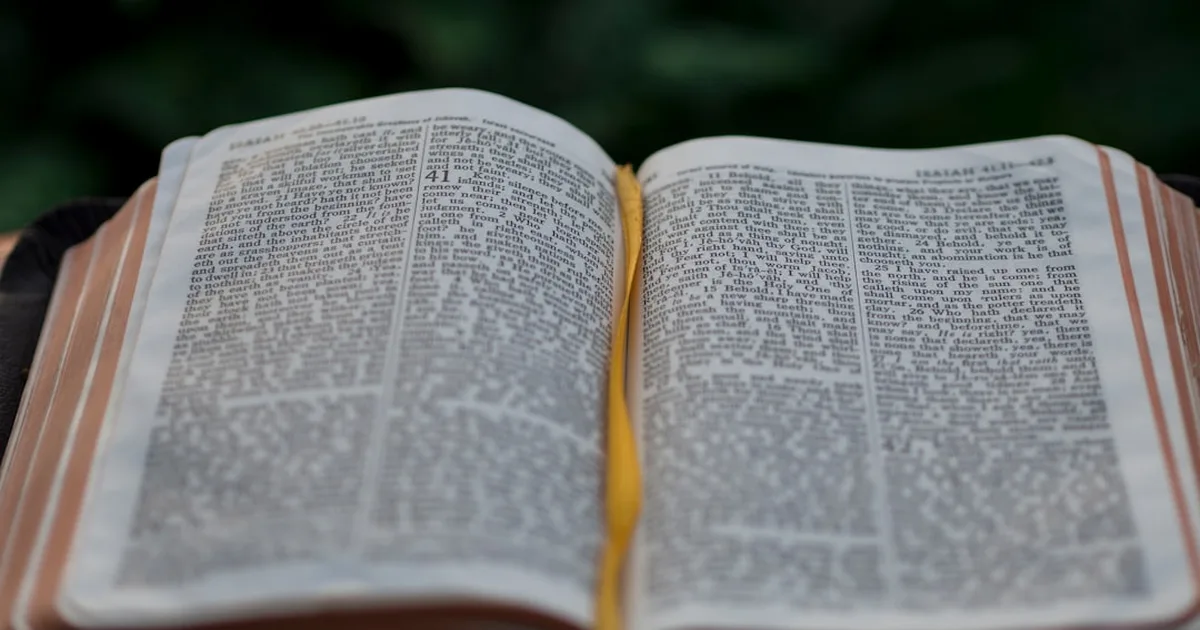
- Create a prayer corner: a candle, an icon, an open Bible.
- Don't feel guilty if you miss a day: consistency matters, not perfection.
- Involve your family: praying Vespers together can be a moment of unity.
Another beautiful aspect of the Liturgy of the Hours today is that it unites us with millions of Christians around the world who, at the same moment, are praising God with the same words. It's a spiritual communion that transcends time and space.
The Spiritual Value of the Liturgy of the Hours
The Liturgy of the Hours is not just a routine but an immersion in God's Word. The psalms, in particular, express the full range of human emotions: joy, sadness, supplication, thanksgiving. Praying them helps us give voice to our feelings and purify them in the light of faith.
“Let the word of Christ dwell in you richly” (Colossians 3:16)
Moreover, the Liturgy of the Hours teaches us to pray: we don't have to invent words, but to receive those inspired by the Spirit. It is a school of prayer that shapes us as disciples. Pope Francis, before his death, encouraged the faithful to rediscover this practice as a source of peace and unity. Now, with Pope Leo XIV, the Church continues to invite us to pray without ceasing.
In summary, the Liturgy of the Hours is a gift for all Christians. It doesn't matter if you are Catholic, Protestant, or Orthodox; this biblical prayer can enrich your relationship with God. We encourage you to try it, starting small, and discover how it transforms your day. May the Lord bless you on this prayer journey.


Comentarios