
Each day, the Church's liturgy offers us a portion of God's Word. The today's mass readings are not just a text to hear, but a living message that the Lord addresses to each of us. In this article, we want to accompany you in discovering the value of the daily readings, helping you integrate them into your faith life. Whether you are in church or at home, today's Word has something to say to you.
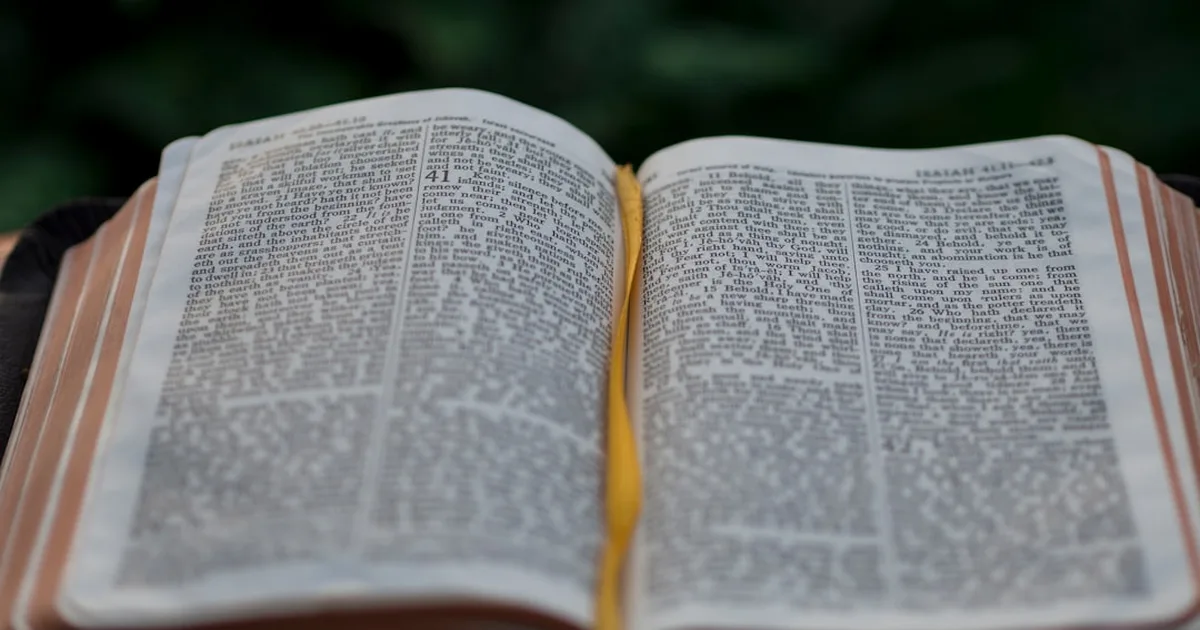
The Church, through the lectionary, guides us on a path that follows the liturgical year. From the first reading, taken from the Old Testament or the Acts of the Apostles, to the Responsorial Psalm and the Gospel, each element is chosen to bring us to meet Christ. The today's mass readings connect you with the Christian community worldwide, which on this day meditates on the same passages. It is an invisible thread that unites us in prayer.
You don't need to be a theologian to understand the message: an open heart is enough. Let's start this journey together, discovering how to listen, reflect, and live the Word.
How to Find and Understand Today's Mass Readings
Each day, the liturgy proposes two or three readings, depending on the liturgical season. The first reading is often linked to the Gospel of the day, while the Responsorial Psalm is a prayerful response. Here's how you can approach these sacred texts.
Where to Find the Daily Readings
You can check the official website of your country's Bishops' Conference, or apps like iBreviary or The Word. Many parishes publish the readings in the weekly bulletin. Also on EncuentraIglesias.com, in the "Faith and Life" section, you will find an updated liturgical calendar. The today's mass readings are easily accessible online, often with commentaries that aid understanding.
The Liturgical Context
The readings are not random: they follow a three-year cycle for Sundays (Years A, B, C) and a two-year cycle for weekdays (Years I and II). Knowing which year we are in helps place the passage in its context. For example, during this period we might read passages from the Gospel of Mark or Luke, depending on the cycle. The today's mass readings are part of a journey that culminates in the Eucharist.
Three Steps to Live Today's Mass Readings
Reading the Bible is not like reading a novel: it requires a prayerful approach. Here is a simple three-step method.
1. Listen with the Heart
First, ask the Holy Spirit to open you to understanding. Read the passage slowly, once or twice. Pay attention to words that strike you. The today's mass readings are not information, but a call. For example, if the Gospel speaks about forgiveness, ask yourself: "Is there someone I need to forgive?"
2. Reflect with the Mind
Try to understand the meaning of the text. Who is speaking? To whom are they speaking? What is the central message? You can use a commentary or the notes in your Bible. The first reading often anticipates the Gospel: for instance, a passage from the prophet Isaiah may prepare for Jesus' message. The today's mass readings are a dialogue between the Old and New Testaments.
3. Respond with Your Life
God's Word is living and effective. After listening and reflecting, ask yourself: "How can I put this message into practice today?" Perhaps you are called to an act of charity, a word of comfort, or a moment of silence. The today's mass readings thus become a seed that bears fruit in your day.
A Practical Example: Today's Liturgy
To make this more concrete, let's take the example of a weekday liturgy. Suppose the first reading is from the First Letter of Saint Paul to the Corinthians (1 Cor 12:12-14, 27). Paul speaks of the body of Christ and how we are all members, each with a different gift. The Gospel might be from Luke, where Jesus calls his disciples. As you meditate on these readings, you can ask: "What is my place in the community? How am I using my gifts to serve?" Thus, the Word becomes a concrete guide for your life.



Comentarios