
In a significant address from the Vatican, Pope Leo XIV has called on world leaders, tech companies, and faith communities to work together in establishing ethical guidelines for artificial intelligence. Speaking at a conference on technology and human dignity, the Pope emphasized that AI must be developed and deployed in ways that serve the common good and protect human life. He warned against the unchecked proliferation of AI systems that could exacerbate inequality, undermine privacy, or even be weaponized.
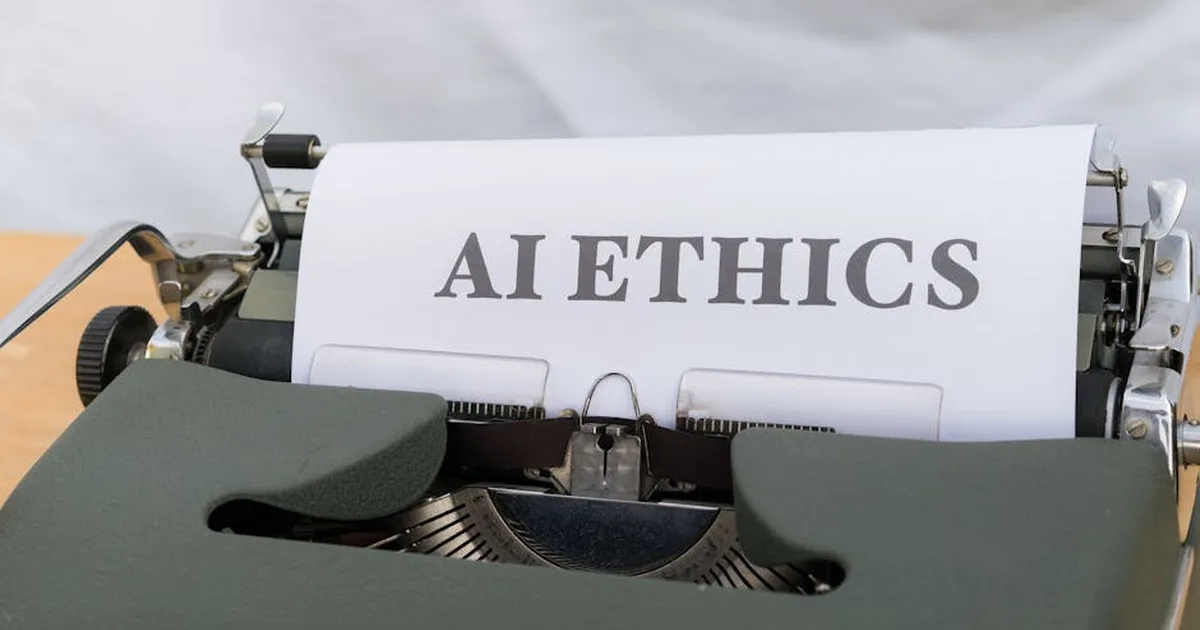
The Pope's message resonates with concerns shared across the Christian spectrum. As AI becomes more integrated into daily life—from healthcare and education to surveillance and warfare—believers are called to reflect on what it means to love our neighbor in a digital age. The Vatican's stance is not anti-technology but rather a plea for wisdom and moral responsibility.
“For the Lord gives wisdom; from his mouth come knowledge and understanding.” — Proverbs 2:6 (NIV)
Pope Leo XIV drew on this biblical wisdom to urge that technological progress must be guided by ethical principles rooted in the dignity of every person created in God's image. He proposed that AI systems should be 'disarmed' of their potential for harm and redirected toward building up communities.
AI and the Common Good: A Christian Perspective
Artificial intelligence presents both opportunities and challenges for the Church. On one hand, AI can help spread the gospel, assist in translation, and provide resources for pastoral care. On the other, it can be used to manipulate behavior, spread misinformation, and create divisions. The Pope's call for a global ethical framework is a timely reminder that technology is not neutral; it reflects the values of its creators and users.
Christians are uniquely positioned to advocate for AI that uplifts the vulnerable. Jesus' command to love our neighbor (Mark 12:31) extends to how we design and deploy algorithms. Are we building systems that respect human autonomy and foster community? Or are we creating tools that exploit our weaknesses for profit or control?
What Does 'Disarming' AI Mean?
The Pope's striking phrase—'disarm AI'—refers to the need to strip artificial intelligence of its capacity for harm. This includes autonomous weapons systems, biased decision-making in hiring or criminal justice, and invasive surveillance that erodes privacy. Disarming AI means embedding safeguards that prioritize human well-being over efficiency or profit.
It also means ensuring that AI serves the common good, not just the interests of a few powerful corporations. The Vatican has long championed a 'human-centered' approach to technology, echoing the Catholic social teaching principle of subsidiarity, which holds that decisions should be made at the most local level possible. In the context of AI, this means giving communities a voice in how technology affects their lives.
Global Response and Next Steps
Pope Leo XIV's address comes amid growing international efforts to regulate AI. The European Union has passed the AI Act, and the United Nations is exploring a global framework. The Vatican's moral authority adds a powerful voice to these discussions, reminding leaders that technology must serve humanity, not the other way around.
For Christians, this is a moment to engage thoughtfully. Churches can host discussions on AI ethics, encourage responsible use of technology, and pray for wisdom for those in positions of power. The Pope's message is not just for Catholics but for all who seek a just and compassionate world.
“So whatever you wish that others would do to you, do also to them.” — Matthew 7:12 (ESV)
This golden rule applies to AI development as well. If we would not want to be manipulated by an algorithm or targeted by an autonomous weapon, we should not create such systems for others.
Practical Application: How to Respond
As followers of Christ, we can take concrete steps to ensure AI aligns with our values. First, educate ourselves about the technologies we use daily. Understand how social media algorithms shape our news feeds and how AI tools like facial recognition are deployed. Second, advocate for transparency and accountability in tech companies. Support policies that require ethical audits for AI systems. Third, use AI for good—whether by sharing uplifting content, using translation tools to connect with believers worldwide, or leveraging AI for humanitarian projects.
Finally, pray. Ask God to grant wisdom to leaders, developers, and all of us as we navigate this new frontier. The future of AI is not predetermined; it is being shaped by choices we make today.
Reflection question: How can you use technology in your daily life to better love God and your neighbor?



Comentarios