
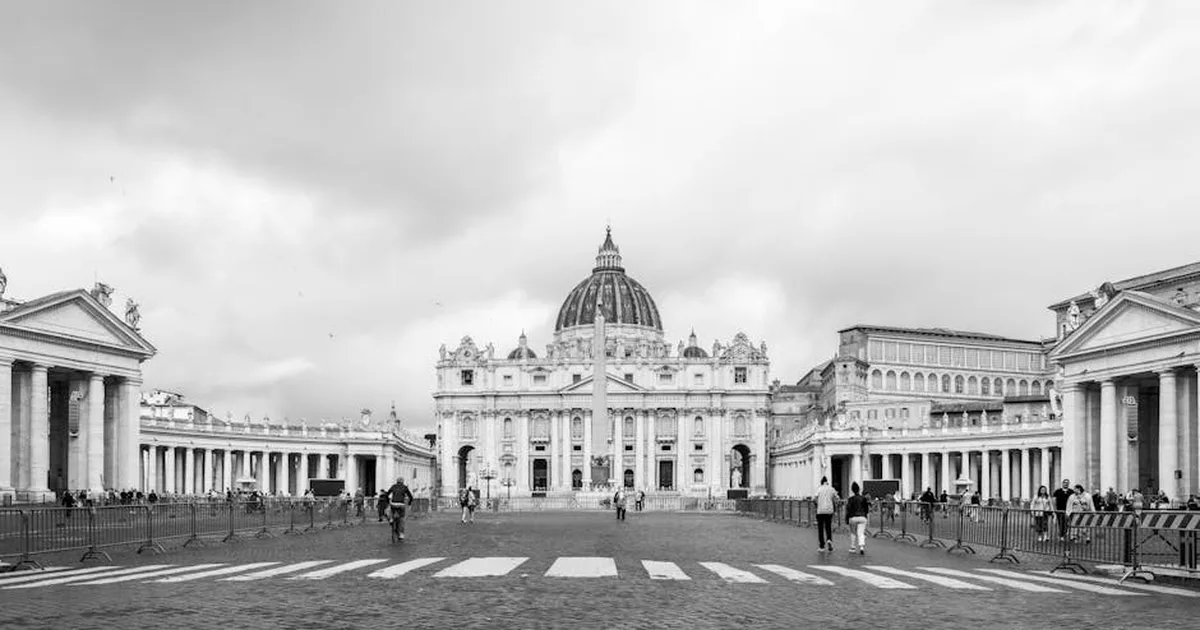
In a powerful and unprecedented act, Pope Leo XIV has issued a formal apology for the Catholic Church's historical complicity in the institution of slavery. The apology, delivered during a solemn ceremony at the Vatican, marks a significant step in the Church's ongoing journey of repentance and reconciliation. The Pope acknowledged that Church leaders and institutions had, for centuries, used theological arguments to justify the enslavement of millions, causing immeasurable suffering.

This act of contrition comes just months after his election in May 2025, following the death of Pope Francis. It signals a continuation of Francis's emphasis on mercy and social justice, while also breaking new ground by directly addressing one of the most painful chapters in Church history.
The Weight of History
Slavery has been a stain on human civilization for millennia, and Christian institutions were not immune to its influence. From the transatlantic slave trade to the enslavement of indigenous peoples in the Americas, Church authorities often turned a blind eye or actively participated. Popes and bishops owned slaves, and theological treatises were written to defend the practice, citing passages that seemed to condone servitude.
Pope Leo XIV did not shy away from this painful legacy. In his address, he stated, "We confess with shame that many of our predecessors and members of the Church failed to recognize the image of God in their fellow human beings. They used the name of Christ to justify the oppression of the vulnerable."
A Biblical Foundation for Repentance
The Pope's apology is rooted in Scripture, particularly the teachings of Jesus and the prophets. He referenced the prophet Micah, who calls for justice and mercy: "He has told you, O mortal, what is good; and what does the Lord require of you but to do justice, and to love kindness, and to walk humbly with your God?" (Micah 6:8, ESV). This verse, the Pope noted, stands in stark contrast to the actions of those who claimed to follow God while denying freedom to others.
He also highlighted the Apostle Paul's letter to the Galatians, which affirms the equality of all people in Christ: "There is neither Jew nor Greek, there is neither slave nor free, there is no male and female, for you are all one in Christ Jesus" (Galatians 3:28, ESV). This foundational Christian truth, the Pope argued, was betrayed by the Church's involvement in slavery.
Reactions and Hope for Healing
The apology has been met with a mix of gratitude, skepticism, and hope. Many Christian leaders from various denominations have praised the move as a courageous step. The Rev. Dr. John L. Smith, a prominent African American pastor, said, "This apology is long overdue, but it is welcome. Words are important, but now we must see actions that lead to justice and restoration."
Some critics, however, argue that an apology without concrete reparations is insufficient. Pope Leo XIV acknowledged this concern, announcing the establishment of a new commission to study the Church's historical involvement in slavery and to recommend ways to promote healing and justice for affected communities.
What the Bible Teaches About Freedom
The Bible consistently affirms God's desire for freedom and justice. In the Old Testament, the Exodus narrative serves as a foundational story of liberation: "I am the Lord your God, who brought you out of the land of Egypt, out of the house of slavery" (Exodus 20:2, ESV). This theme echoes throughout Scripture, culminating in Jesus's proclamation of good news to the poor and freedom for the oppressed (Luke 4:18).
Christians are called to be agents of reconciliation, as Paul writes: "Therefore, if anyone is in Christ, he is a new creation. The old has passed away; behold, the new has come. All this is from God, who through Christ reconciled us to himself and gave us the ministry of reconciliation" (2 Corinthians 5:17-18, ESV). The Pope's apology is an attempt to live out this ministry by acknowledging past wrongs.
Practical Steps Forward
For individual believers, this moment invites reflection on how we can participate in God's work of justice. Here are a few ways to respond:
- Learn the history: Educate yourself about the Church's role in slavery and its ongoing effects. Understanding the past is essential for building a better future.
- Support organizations: Contribute to groups that work to combat modern slavery and human trafficking, such as International Justice Mission or local anti-trafficking coalitions.
- Pray for healing: Pray for those who have been harmed by the Church's actions, and for the Church to continue on a path of repentance and transformation.
- Advocate for justice: Use your voice to speak out against all forms of oppression and exploitation, whether in your community or globally.
A Call to Reflection
As we consider Pope Leo XIV's historic apology, let us ask ourselves: How can we, as followers of Christ, work to ensure that the Church never again uses faith to justify injustice? What steps can we take in our own lives to promote freedom and dignity for all people, reflecting the heart of God who sets captives free?



Comentarios