
In the quiet corridors of Germany's nursing homes, a remarkable story of faith and compassion is unfolding. Thousands of migrant workers, many of them Christians, have stepped into the gap left by a shrinking domestic workforce, providing not only physical care but also spiritual companionship to the country's aging population. Their journeys, often marked by hardship and displacement, have uniquely prepared them to serve those who feel forgotten in their final years.
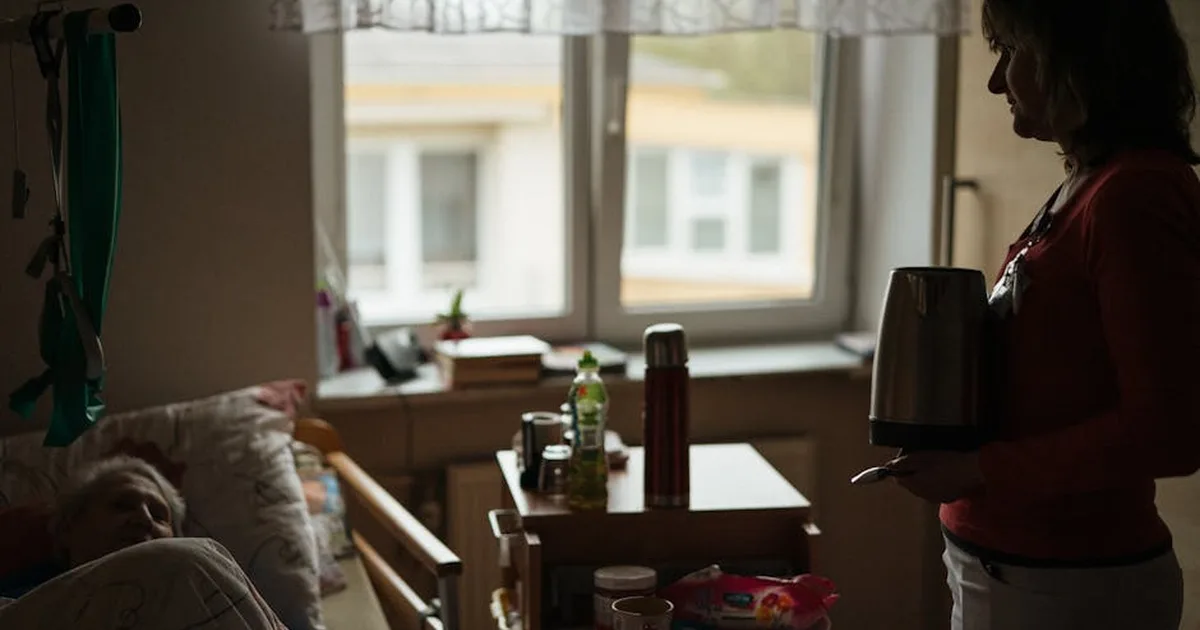
Among them is Sharoon, a young man from Pakistan who arrived in Germany as an asylum seeker in 2018. His Christian faith had made him a target in his home country, and he came seeking safety. After a period of uncertainty—a denied asylum application and the looming threat of deportation—he found hope through a local church. A pastor encouraged him to trust God's timing, and soon a connection led him to a care home in Elstal, near Berlin. Within a year, he had a job and, later, residency. Today, he works as a service assistant, but his role goes far beyond serving meals. He listens to residents' stories, shares his own, and offers the comfort of a friendly presence.
“My experience taught me what it means to be alone,” Sharoon reflects. “But God used that experience and led me to this profession to be a bridge.”
Germany's Demographic Challenge
Germany has one of the oldest populations in the world. By 2035, a quarter of its citizens will be over 67. Already, nearly 5 million people require long-term care, a number that continues to rise. At the same time, the country faces a severe shortage of caregivers—a shortfall of almost 60,000 nursing professionals is projected by late 2025. This gap has opened doors for immigrants, many of whom come from countries with strong Christian traditions, such as Poland, Romania, Nigeria, and the Philippines.
These workers bring more than just skilled hands. They bring a worldview shaped by faith, often rooted in the biblical call to serve the vulnerable. As Jesus said in Matthew 25:40, “Truly I tell you, whatever you did for one of the least of these brothers and sisters of mine, you did for me.” For many migrant caregivers, this verse is not abstract theology but a daily reality.
Faith as a Source of Strength
The work is demanding—physically, emotionally, and spiritually. Long hours, language barriers, and the sadness of watching residents decline can take a toll. Yet many caregivers draw on their faith to persevere. Prayer, both personal and communal, becomes a lifeline. Some gather in small groups at work to pray before shifts, while others find strength in Scripture.
“I read Psalm 23 often,” says Maria, a caregiver from the Philippines who has worked in a Berlin nursing home for five years. “ ‘Even though I walk through the darkest valley, I will fear no evil, for you are with me.’ That gives me peace when I feel overwhelmed.”
A Spiritual Presence in Secular Spaces
Germany is a largely secular country, and many care homes have little overt religious programming. But the presence of devout Christian caregivers has introduced a gentle spiritual dimension. Residents, even those who were not religious, often respond positively. A caregiver's willingness to pray with a resident or simply speak of hope can break through loneliness and despair.
Sharoon recalls a resident who was deeply depressed and refused to eat. “I sat with her and told her about my journey, how God helped me when I had nothing. She started to cry, and then she prayed with me. After that, she began to eat again. It was a miracle.”
“The Lord is near to the brokenhearted and saves the crushed in spirit.” — Psalm 34:18 (ESV)
This verse resonates deeply in the context of elder care. Many elderly people feel brokenhearted—separated from family, grappling with loss of independence, and facing mortality. A caring presence, especially one that offers spiritual comfort, can be transformative.
Building Bridges Across Cultures
The interaction between migrant caregivers and German residents is also a cross-cultural exchange. Residents learn about distant countries, taste new foods, and hear stories of faith that challenge their assumptions. For their part, caregivers gain a deeper appreciation for German culture and history. These relationships often become mutually enriching.
“I never thought I would learn so much from the people I care for,” says Ana, a caregiver from Romania. “One lady taught me to bake traditional German cookies. I taught her to say a prayer in my language. We became like family.”
This echoes the biblical vision of a diverse community united in love. In Galatians 3:28, Paul writes, “There is neither Jew nor Gentile, neither slave nor free, nor is there male and female, for you are all one in Christ Jesus.” In the microcosm of a care home, these divisions fade as people connect on a human level.
Challenges and Hope for the Future
Despite the positive impact, migrant caregivers face significant challenges. Many work for low wages, face discrimination, and struggle with bureaucratic hurdles. The threat of deportation, even for those with valid work permits, can create anxiety. Christian organizations and churches have stepped in to offer support, providing legal advice, language classes, and community.
One such organization is the Diakonie, the social welfare arm of the Protestant church in Germany, which runs many care homes and advocates for fair treatment of migrant workers. Local congregations also play a vital role, offering fellowship and practical help. For Sharoon, the church was the turning point. “Without that pastor and that community, I would not be here today,” he says.
The future of elder care in Germany will likely depend even more on migrant workers. As the population ages, the need for caregivers will only grow. Policymakers are beginning to recognize the value of these workers and are working to streamline immigration processes for care professionals. But beyond policy, there is a human story of faith, resilience, and love that deserves to be told.
A Call to Compassion
The story of migrant Christians caring for Germany's elderly is a powerful reminder that God often uses the most unlikely people to bring hope. Those who have been strangers themselves become the ones who welcome others. Those who have been comforted in their affliction become comforters.
As believers, we are called to see Christ in the faces of both the caregiver and the cared-for. In Matthew 25, Jesus identifies himself with the hungry, the thirsty, the stranger, the sick, and the imprisoned. “Whatever you did for one of the least of these brothers and sisters of mine, you did for me.”
How might we respond to this call in our own communities? Perhaps by supporting organizations that advocate for migrant workers, volunteering in elder care, or simply taking time to listen to an elderly neighbor's story. Every act of kindness, no matter how small, reflects the love of Christ.
Let us pray for the Sharoons, the Marias, and the Anas of the world—and for the elderly they serve—that they may continue to be a blessing to one another, and that their example inspires us to build a more compassionate world.




Comentarios