
Every time we stream a video, ask a voice assistant a question, or use an AI-powered tool, we are relying on massive data centers humming away in distant locations. These facilities are the backbone of the modern internet, but their rapid expansion comes with significant consequences for communities and the environment. As Christians, we are called to love our neighbors and care for God's creation — and that means paying attention to what is happening behind the screens.
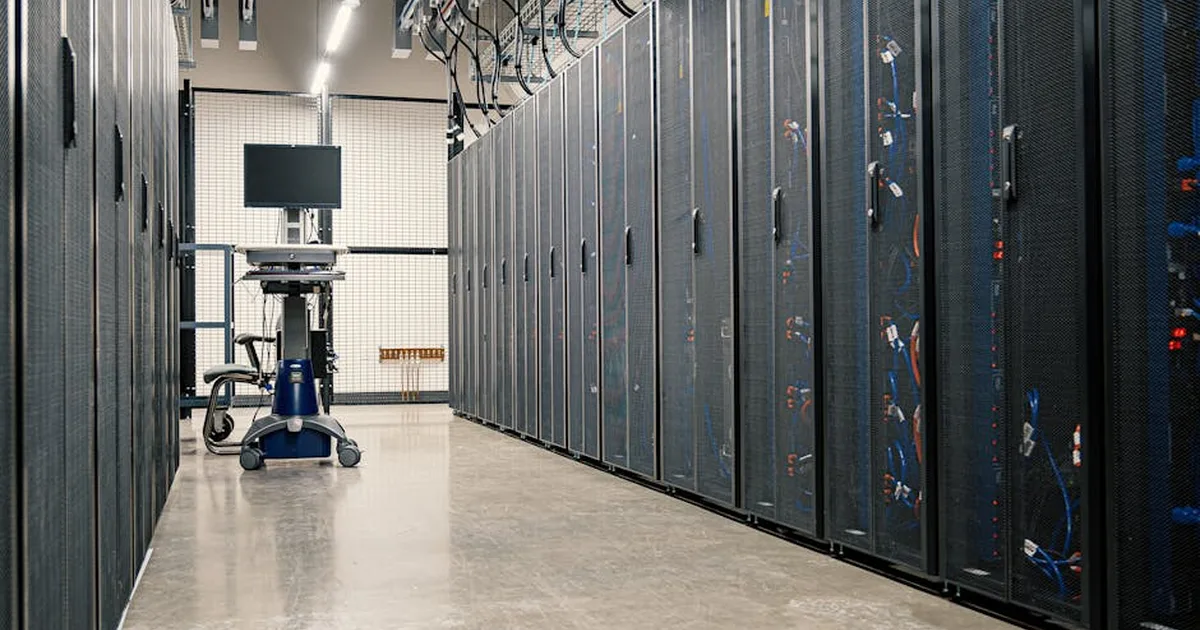
Data centers consume enormous amounts of electricity and water, often placing strain on local resources. In some regions, new data centers are being built near residential areas, raising concerns about noise, pollution, and increased energy costs for nearby residents. The Bible reminds us in Romans 13:10 that “love does no harm to a neighbor.” We must ask ourselves whether the pursuit of technological advancement is harming the very people we are called to serve.
Stewardship in the Age of Artificial Intelligence
The concept of stewardship is central to the Christian faith. In Genesis 2:15, God placed Adam in the Garden of Eden “to work it and keep it.” This mandate extends to how we manage the earth’s resources today. The exponential growth of AI and cloud computing has led to a surge in data center construction, with some projections suggesting that AI-related energy consumption could rival that of entire countries.
This raises a critical question: Are we using our resources wisely? While technology can be a force for good — enabling medical breakthroughs, connecting people across continents, and spreading the gospel — we must balance innovation with responsibility. The prophet Isaiah warns against those who “add house to house and join field to field until no space is left” (Isaiah 5:8). Unchecked expansion of data centers can displace communities and harm ecosystems, contradicting our call to be good stewards.
The Environmental Toll
Data centers require vast amounts of electricity, much of which still comes from fossil fuels. This contributes to climate change, which disproportionately affects the world’s most vulnerable people. Additionally, cooling systems consume billions of gallons of water annually, often in drought-prone areas. As followers of Christ, we are reminded in Matthew 25:40 that whatever we do for “the least of these,” we do for Him. Ignoring the environmental impact of our digital habits is not an option.
Some tech companies are working toward renewable energy and water conservation, but progress is uneven. Christians can advocate for policies that prioritize sustainability and community well-being over corporate profits. We can also examine our own usage: Do we need the latest AI gadget, or can we be content with less?
A Call for Thoughtful Regulation
Governments and local communities are beginning to push back against unchecked data center development. In some areas, moratoriums have been proposed to study the long-term effects on infrastructure and housing. As Christians, we should support efforts that seek the common good, even if they slow down technological progress.
The Bible teaches us to “seek the welfare of the city” where we live (Jeremiah 29:7). This means engaging in civic conversations about land use, energy policy, and economic development. We can pray for wisdom for our leaders and use our voices to advocate for just and sustainable practices.
What Can Churches Do?
Local congregations can play a vital role in raising awareness. Hosting discussions about technology and ethics, partnering with environmental groups, and encouraging members to reduce their digital footprint are practical steps. Churches can also support ministries that address digital inequality, ensuring that the benefits of technology are shared more broadly.
Pastors and leaders can preach on themes of simplicity, contentment, and care for creation, drawing from passages like Colossians 3:2: “Set your minds on things that are above, not on things that are on earth.” While technology is not inherently evil, our attachment to it can become idolatrous if it distracts us from our relationship with God and our responsibility to others.
Finding Balance in a Digital World
Technology is a gift from God, but like all gifts, it must be used wisely. The rapid expansion of AI data centers presents both opportunities and challenges. By staying informed and engaged, Christians can help shape a future that honors God and serves our neighbors.
Consider taking a few minutes this week to research where your data is stored and the policies of the companies you use. Support businesses that prioritize renewable energy and ethical practices. Most importantly, spend time in prayer, asking God to guide our collective decisions about technology and its impact on the world.
“The earth is the Lord’s, and everything in it, the world, and all who live in it.” — Psalm 24:1 (NIV)
Let us remember that our ultimate allegiance is not to the latest innovation, but to the Creator who entrusted us with this world. May we use technology in ways that bring glory to God and good to our neighbors.





Comentarios