
The Catholic Bible is the collection of sacred books that the Catholic Church recognizes as inspired by God. It includes 73 books: 46 in the Old Testament and 27 in the New Testament. Unlike other Christian traditions, the Catholic Bible contains the deuterocanonical books—Tobit, Judith, Wisdom, Sirach, Baruch, and 1 and 2 Maccabees. These books were confirmed as canonical at the Councils of Hippo (AD 393) and Carthage (AD 397), and reaffirmed at the Council of Trent (1546). For Catholics, the Bible is not just a historical document; it is the living Word of God that guides our faith and daily life.
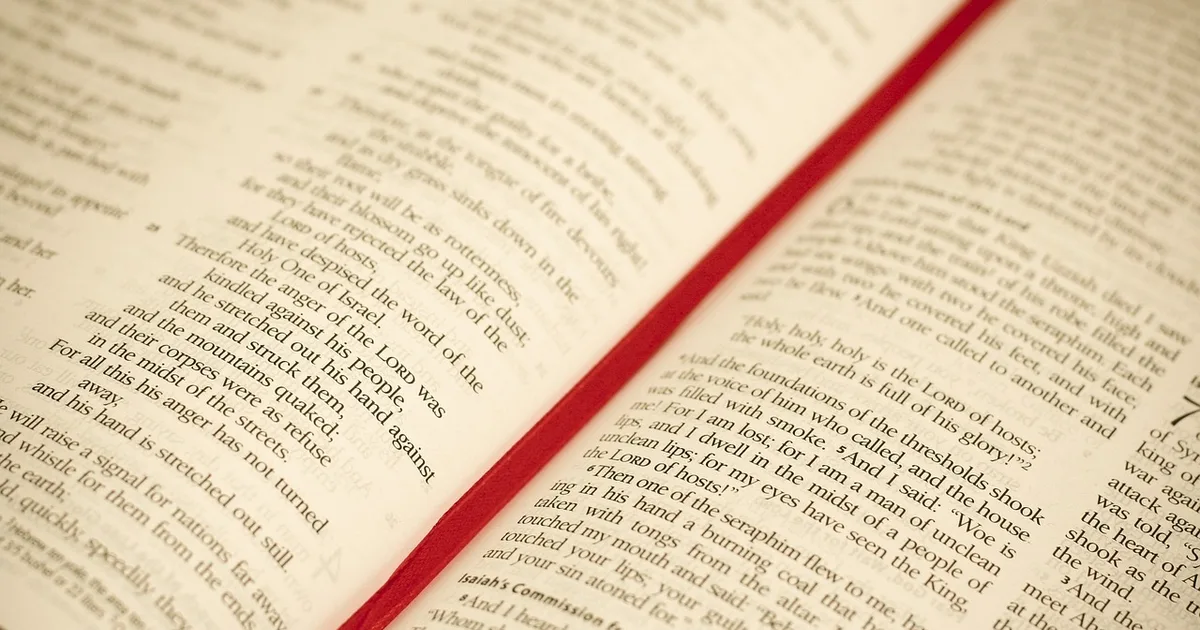
Reading the Catholic Bible connects you with the story of salvation and helps you know God more deeply. As Pope Leo XIV said in his first encyclical: "Scripture is the soul of theology and the source of all Christian spirituality." So spending time in its reading transforms your heart and mind.
Structure of the Catholic Bible: Old and New Testaments
The Old Testament: God's Covenant with His People
The Old Testament narrates creation, the fall of humanity, the call of Abraham, the Exodus, the Law, the prophets, and the wisdom of Israel. It is divided into five sections: the Pentateuch (Genesis, Exodus, Leviticus, Numbers, Deuteronomy), Historical Books (Joshua, Judges, Ruth, 1 and 2 Samuel, 1 and 2 Kings, 1 and 2 Chronicles, Ezra, Nehemiah, Tobit, Judith, Esther, 1 and 2 Maccabees), Wisdom Books (Job, Psalms, Proverbs, Ecclesiastes, Song of Songs, Wisdom, Sirach), and Prophetic Books (Isaiah, Jeremiah, Lamentations, Baruch, Ezekiel, Daniel, and the twelve minor prophets). The deuterocanonical books, such as Wisdom and Sirach, offer profound teachings on virtuous living and God's mercy.
The New Testament: The New Covenant in Jesus Christ
The New Testament contains 27 books that recount the life, death, and resurrection of Jesus, as well as the beginnings of the Church. It includes the four Gospels (Matthew, Mark, Luke, and John), the Acts of the Apostles, the letters of Paul and other apostles, and Revelation. The Gospels are the heart of the Catholic Bible, for they show us Jesus, the Son of God made man. As John 3:16 says:
"For God so loved the world that he gave his one and only Son, that whoever believes in him shall not perish but have eternal life."
How to Read the Catholic Bible: Practical Tips to Get Started
Many people want to read the Catholic Bible but don't know where to begin. Here are some simple tips:
- Choose a reliable translation: In English, the New International Version (NIV) and the New Revised Standard Version Catholic Edition (NRSV-CE) are excellent choices. The New American Bible (NAB) is also widely used.
- Start with the Gospels: Mark is the shortest and most direct; Luke offers a detailed narrative; John delves into Jesus' divinity.
- Use a reading plan: You can read one chapter a day or follow the Mass lectionary.
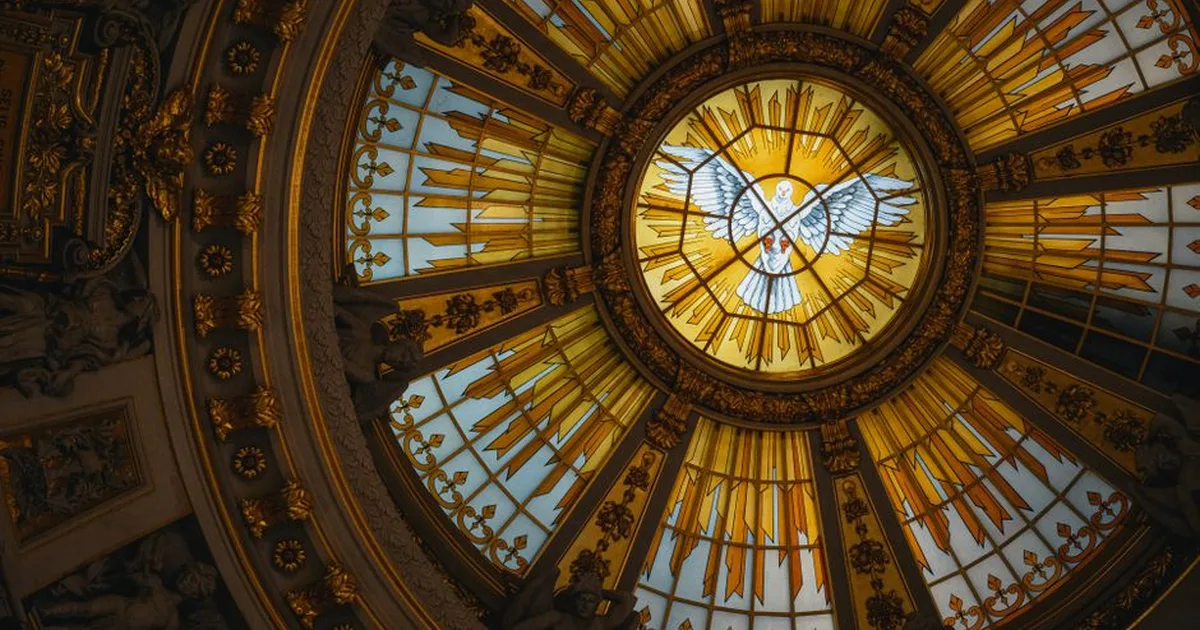
- Pray before reading: Ask the Holy Spirit to illuminate your understanding of the Word.
- Journal your reflections: Keeping a spiritual diary helps you remember what God speaks to you.
Remember, the Catholic Bible is not a book to be read once, but to be meditated on and applied to your life. As Psalm 119:105 says:
"Your word is a lamp for my feet, a light on my path."
The Catholic Bible in Daily Life: How to Apply Scripture
God's Word is not just for reading—it is for living. Here are three ways to apply the Catholic Bible in your everyday life:
- In prayer:


Comentarios