
There are moments in family life that become etched in memory. For many parents, reading aloud to their children creates some of the most lasting bonds. A simple bedtime story can spark laughter, curiosity, and sometimes even tears—especially when a tale unexpectedly echoes the deeper truths of Scripture.
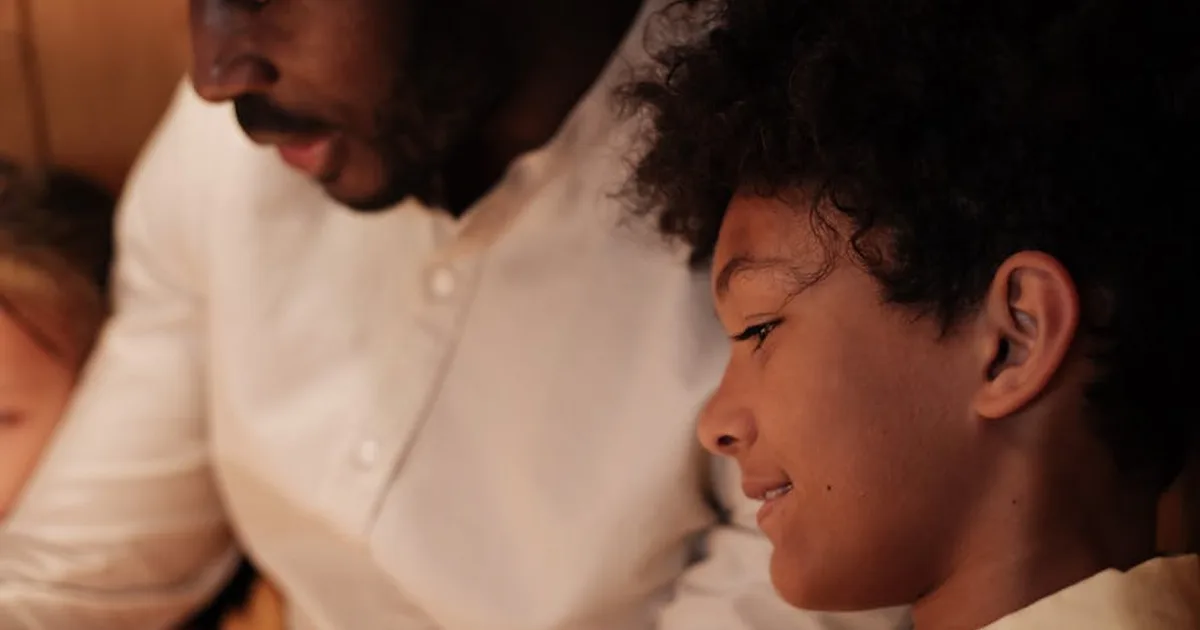
These moments remind us that stories are not just entertainment. They are vessels of meaning, carrying themes of love, sacrifice, and hope that resonate with the human soul. When we read with our children, we are not merely passing time; we are shaping their imaginations and helping them recognize the echoes of God's great narrative.
In a world filled with distractions, the ritual of reading together offers a sanctuary. It invites questions, opens conversations, and allows parents to gently guide their children toward the ultimate Story—the gospel of Jesus Christ.
Navigating the Two Ditches of Children's Literature
Many Christian parents struggle with how to approach children's books. On one side, there is the temptation to only allow explicitly Christian material, fearing that anything else might lead children astray. On the other side, some parents give up on any boundaries, letting kids read whatever catches their eye.
Both approaches have drawbacks. The first can create a narrow worldview, missing the beauty and truth that God has placed in stories written by believers and non-believers alike. The second can expose children to themes they are not ready to process, overwhelming them before they have a foundation of faith.
Instead, parents are called to be discerning guides. They can embrace the richness of good literature while helping children interpret it through the lens of Scripture. This middle path offers both freedom and protection.
Why Common Grace Matters in Stories
God's common grace means that truth and beauty can appear anywhere. A story written by someone who does not share our faith can still reflect God's order, justice, and mercy. Recognizing this allows families to enjoy a wide range of literature while discussing how each story points—sometimes indirectly—to the gospel.
For example, a tale about a character who sacrifices for others can spark a conversation about Jesus' ultimate sacrifice. A story about forgiveness can lead to a discussion of God's grace. These connections are not forced; they emerge naturally when parents are attentive.
By reading broadly, children learn to see God's fingerprints in unexpected places. Their faith becomes not a set of rules but a lens through which they view the entire world.
Building a Family Culture of Reading
Creating a habit of reading together does not require a large library or expensive books. What matters is consistency and intentionality. Setting aside time each day—even ten minutes—can transform family dynamics.
Parents can choose books that are age-appropriate and engaging. They can read with expression, pause to ask questions, and encourage children to share their thoughts. This process builds not only literacy but also emotional and spiritual connection.
“Train up a child in the way he should go; even when he is old he will not depart from it.” — Proverbs 22:6 (ESV)
When reading becomes a shared joy, children are more likely to carry the habit into adulthood. They learn that stories are gifts, and that the greatest story—God's plan of redemption—is worth exploring every day.
Practical Tips for Choosing Books
Not every book is suitable for every child. Parents should consider their child's maturity, interests, and emotional readiness. A story that is perfectly fine for a ten-year-old might be confusing or frightening for a six-year-old.
- Look for books that model virtues like courage, honesty, and compassion.
- Read reviews from trusted sources, including Christian book reviewers.
- Preview books yourself before reading them aloud.
- Discuss any difficult themes in light of biblical truth.
Above all, remember that the goal is not to shield children from all challenges but to equip them to face challenges with faith. Stories can be a safe training ground for the real world.
Reflection: Your Family's Story
As you consider your own family's reading habits, ask yourself: What stories are shaping my children's hearts? Are we using books to draw closer to each other and to God? Even small changes—like reading a few pages each night—can open doors to meaningful conversations.
Take time this week to choose a book that might spark a discussion about God's love or redemption. You may be surprised at the depth of insight your child brings. And perhaps, like many parents before you, you will find yourself moved to tears by the power of a well-told story.



Comentarios