
Across the globe, millions of Christians worship and serve in contexts that Western believers can hardly imagine. From the Middle East to North Africa, from Asia to Latin America, faithful believers gather in circumstances that require extraordinary courage, creativity, and dependence on God.
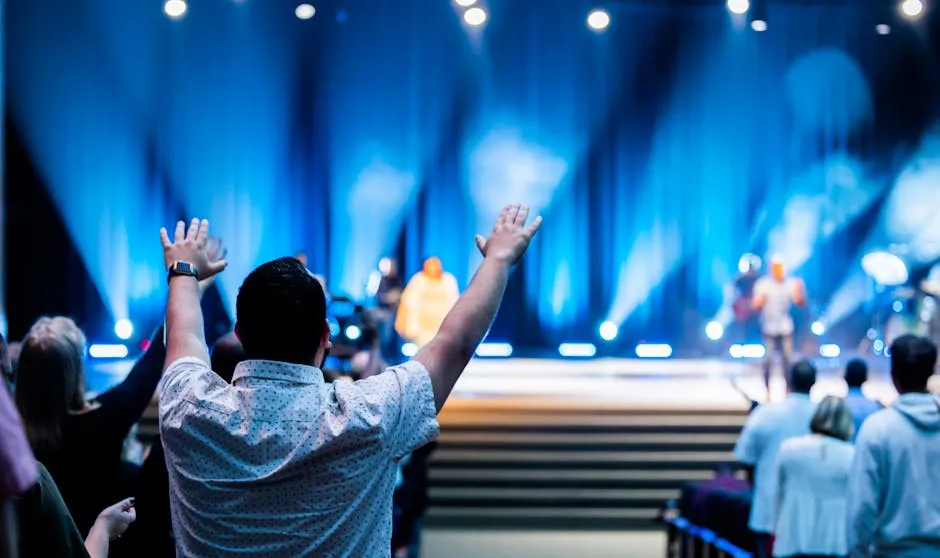
These churches remind us that the gospel transcends cultural boundaries, political systems, and religious persecution. Their example challenges comfortable Christianity and demonstrates the power of faith to flourish even in the most difficult circumstances.
"And I tell you that you are Peter, and on this rock I will build my church, and the gates of Hades will not overcome it." - Matthew 16:18
Learning from Persecuted Believers
Christians who face persecution often develop a depth of faith and commitment that challenges believers in more comfortable environments. Their prayers carry intensity born from necessity, their fellowship reflects genuine community, and their witness demonstrates authentic transformation.
These believers understand in practical ways that following Jesus may require sacrifice, loss, and suffering. Their example reminds us that the Christian life was never intended to be easy or comfortable but rather faithful and transformative.
The Power of Strategic Location
Many of the world's most challenging ministry contexts are also strategically significant. Cities like Cairo, Istanbul, Beirut, and Damascus sit at crossroads of culture, commerce, and influence. Churches in these locations have unique opportunities to impact their regions and beyond.
This strategic positioning often comes with increased scrutiny and pressure from surrounding cultures and governments. Yet these churches persist, understanding their calling to be lights in dark places and salt in societies that desperately need gospel transformation.
Building Bridges Across Cultural Divides
Churches in the Middle East and other challenging contexts often find themselves building bridges between different religious, ethnic, and cultural groups. This ministry of reconciliation reflects Christ's heart for unity and peace among all peoples.
Such bridge-building requires wisdom, courage, and patience. These churches must navigate complex political and social realities while maintaining their Christian identity and witness. Their example teaches valuable lessons about peaceful coexistence without compromise.
The Role of Education and Social Services
Many churches in challenging contexts establish schools, hospitals, and social service programs that serve their entire communities regardless of religious affiliation. These ministries demonstrate Christ's love through practical action while building relationships and credibility.
Educational ministries are particularly significant in regions where quality education is limited. Christian schools often provide excellent academic preparation while modeling Christian values and character for students from diverse backgrounds.
"Let your light shine before others, that they may see your good deeds and glorify your Father in heaven." - Matthew 5:16
The Importance of Indigenous Leadership
Sustainable ministry in challenging contexts requires developing strong indigenous leadership that understands local culture, speaks the local language, and can navigate complex social and political realities. External missionaries play important roles but cannot replace local leaders.
These indigenous leaders often make tremendous personal sacrifices to serve Christ in their communities. They deserve support, training, and encouragement from the global church while maintaining primary responsibility for their local ministries.
Technology and Communication Challenges
Churches in restrictive environments must be creative about communication, training, and resource sharing. Internet censorship, surveillance, and communication restrictions require innovative approaches to ministry and discipleship.
Despite these challenges, technology also provides unprecedented opportunities for connecting isolated believers, accessing training resources, and maintaining fellowship across vast distances. Creative use of available tools can multiply ministry effectiveness.
The Diaspora Connection
Political instability and economic challenges in many regions have created large diaspora communities around the world. Churches in challenging contexts often maintain connections with believers who have relocated to other countries.
These diaspora communities can provide financial support, prayer partnerships, and advocacy for believers remaining in difficult circumstances. They also create opportunities for ministry among immigrants in their new countries.
Learning Patience and Persistence
Ministry in challenging contexts requires long-term thinking and extraordinary patience. Change often comes slowly, setbacks are common, and visible results may be limited. Yet faithful leaders persist, trusting God's timing and sovereignty.
This persistence teaches valuable lessons about faithfulness regardless of circumstances, dependence on God rather than human resources, and the importance of eternal perspective in temporary difficulties.
Prayer as Essential Strategy
Churches facing significant challenges often develop powerful prayer ministries that sustain them through difficulties and fuel their ongoing ministry. Prayer becomes not just a religious activity but a survival strategy and source of strength.
"Devote yourselves to prayer, being watchful and thankful." - Colossians 4:2
These prayer movements remind the global church of our dependence on God and the power of united intercession. They challenge believers in easier circumstances to deepen their own prayer lives and commitment.
The Global Body's Responsibility
Christians in challenging contexts deserve support from the global church through prayer, financial assistance, advocacy, and partnership. Their struggles are not isolated problems but shared concerns for the entire body of Christ.
This support must be provided wisely, respecting local leadership and avoiding actions that could create additional problems for vulnerable communities. Effective partnership requires understanding, humility, and long-term commitment.
Hope in Difficult Circumstances
Perhaps the greatest lesson from churches in challenging contexts is their demonstration of hope that transcends circumstances. Their joy, faith, and commitment despite difficulties provide powerful testimonies to God's sustaining grace.
This hope isn't based on improving circumstances but on unchanging divine promises. It reminds all believers that our ultimate security and identity rest in Christ rather than in favorable external conditions.
The faithful ministry of believers in challenging places around the world strengthens the entire global church and demonstrates the unstoppable nature of God's kingdom. Their example calls us to deeper faith, greater courage, and more sacrificial service wherever God has placed us.



Comentarios