
In a culture obsessed with accumulation, acquisition, and endless consumption, the ancient practice of biblical simplicity offers a radical alternative. This isn't merely about having fewer possessions, but about aligning our lives with kingdom values that prioritize relationships, purpose, and service over material wealth.

Jesus consistently taught about the dangers of materialism and the freedom found in simple living. His instruction to the rich young ruler—"Sell everything you have and give to the poor, and you will have treasure in heaven" (Luke 18:22)—reveals that excessive attachment to possessions can become a barrier to spiritual growth and kingdom service.
Freedom from the Tyranny of Stuff
Possessions, while not inherently evil, can quickly become masters rather than servants. When our lives revolve around acquiring, maintaining, organizing, and protecting our belongings, we lose freedom to focus on what truly matters. Biblical simplicity liberates us from this tyranny.
The early Christians demonstrated this freedom: "All the believers were together and had everything in common. They sold property and possessions to give to anyone who had need" (Acts 2:44-45). Their willingness to hold possessions lightly enabled generous living and strong community bonds.
"But godliness with contentment is great gain. For we brought nothing into the world, and we can take nothing out of it." - 1 Timothy 6:6-7
Stewardship vs. Ownership
Biblical simplicity begins with understanding that we own nothing—everything belongs to God and we are merely stewards of His resources. This perspective transforms how we think about possessions, money, and lifestyle choices.
When we view ourselves as stewards rather than owners, we become more intentional about our choices. Every purchase becomes a stewardship decision: Will this help me serve God better? Will this enable greater generosity? Will this distract from kingdom priorities?
Discovering What Truly Matters
Simplifying our lives creates space to discover what genuinely brings joy, meaning, and fulfillment. Often, we find that relationships, experiences, service opportunities, and spiritual growth provide deeper satisfaction than material possessions.
Jesus taught this principle: "Life does not consist in an abundance of possessions" (Luke 12:15). When we reduce the clutter—both physical and mental—we create capacity for the things that truly enrich our lives and honor God.
Enabling Greater Generosity
One of the most compelling benefits of simple living is the increased capacity for generosity it creates. When we spend less on ourselves, we have more resources to help others and support kingdom causes.
This generosity becomes a spiritual discipline that reflects God's character and demonstrates His love to a watching world. "Give, and it will be given to you. A good measure, pressed down, shaken together and running over" (Luke 6:38).
Reducing Environmental Impact
Biblical stewardship extends to care for God's creation. Simple living naturally reduces our environmental footprint, reflecting our responsibility to care for the earth God has entrusted to humanity.
"The Lord God took the man and put him in the Garden of Eden to work it and take care of it" (Genesis 2:15). This creation mandate includes responsible consumption and sustainable living practices that honor God's design for creation.
"All things are lawful, but not all things are helpful. All things are lawful, but not all things build up." - 1 Corinthians 10:23
Practical Steps Toward Simplicity
Implementing biblical simplicity requires intentional choices about what to keep, what to eliminate, and what to avoid acquiring in the future. This process should be guided by prayer, Scripture, and consideration of how choices affect our ability to serve God and others.
Starting with small steps—decluttering one room, implementing a waiting period before major purchases, or choosing experiences over possessions—can begin the transformation toward simpler living without overwhelming lifestyle changes.
The Challenge of Cultural Pressure
Living simply in a consumer culture requires courage to resist societal pressures that equate success with accumulation. This resistance often means choosing different priorities than friends, family members, or colleagues who measure worth by possessions.
Paul's example provides encouragement: "I have learned to be content whatever the circumstances. I know what it is to be in need, and I know what it is to have plenty" (Philippians 4:11-12). This contentment comes from finding identity in Christ rather than in possessions.
Simple Living and Time Management
Simplicity extends beyond possessions to include how we use time and energy. Overscheduled lives create stress and prevent deep relationships, adequate rest, and spiritual growth. Biblical simplicity includes creating margin in our schedules for what matters most.
Jesus modeled this balance by withdrawing regularly for prayer and rest despite constant demands on His time. He understood that sustainability in ministry requires intentional choices about priorities and boundaries.
Building Community Through Simplicity
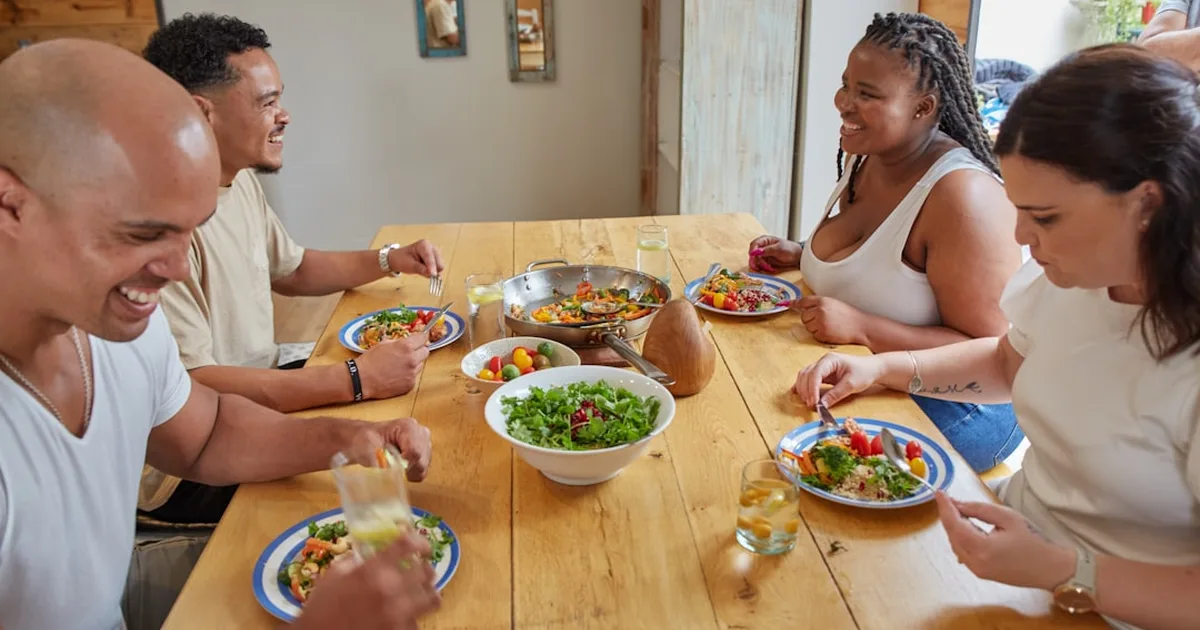
Simple living often strengthens community bonds as people share resources, skills, and experiences rather than accumulating individual possessions. This sharing reflects early Christian community and builds relationships that enrich life more than material wealth.
Tool libraries, community gardens, skill-sharing groups, and cooperative childcare demonstrate how simplicity can strengthen neighborhoods while reducing individual consumption and costs.
Financial Freedom and Peace
Simple living typically leads to greater financial freedom as reduced expenses allow for debt reduction, increased savings, and enhanced giving capacity. This financial peace reduces stress and creates security that comes from living below one's means rather than at or above them.
"Keep your lives free from the love of money and be content with what you have, because God has said, 'Never will I leave you; never will I forsake you'" (Hebrews 13:5). This contentment provides security that money cannot buy.
"Therefore do not worry about tomorrow, for tomorrow will worry about itself. Each day has enough trouble of its own." - Matthew 6:34
Legacy and Future Generations
Simple living models sustainable practices and kingdom values for children and future generations. It demonstrates that satisfaction comes from character, relationships, and purpose rather than from accumulating possessions.
This modeling provides children with tools for resisting consumer culture pressures while developing healthy relationships with money and possessions that will serve them throughout their lives.
The Joy of Enough
Perhaps the greatest gift of biblical simplicity is discovering the joy of enough—recognizing when we have sufficient resources for our needs and can focus on gratitude rather than acquisition.
This satisfaction comes not from having everything we want but from wanting what we have and understanding that our deepest needs are met in relationship with God rather than through material possessions.
Biblical simplicity isn't about poverty or deprivation but about freedom, purpose, and alignment with God's values. It's about choosing abundance of life over abundance of stuff, and discovering that this choice leads to greater joy, peace, and capacity for kingdom impact.


Comentarios