
The new birth isn't just a theological concept—it's the most radical transformation possible. When Jesus told Nicodemus, "You must be born again" (John 3:7), He wasn't describing mere self-improvement or religious conversion. He was revealing a complete recreation of human nature that defies natural understanding.
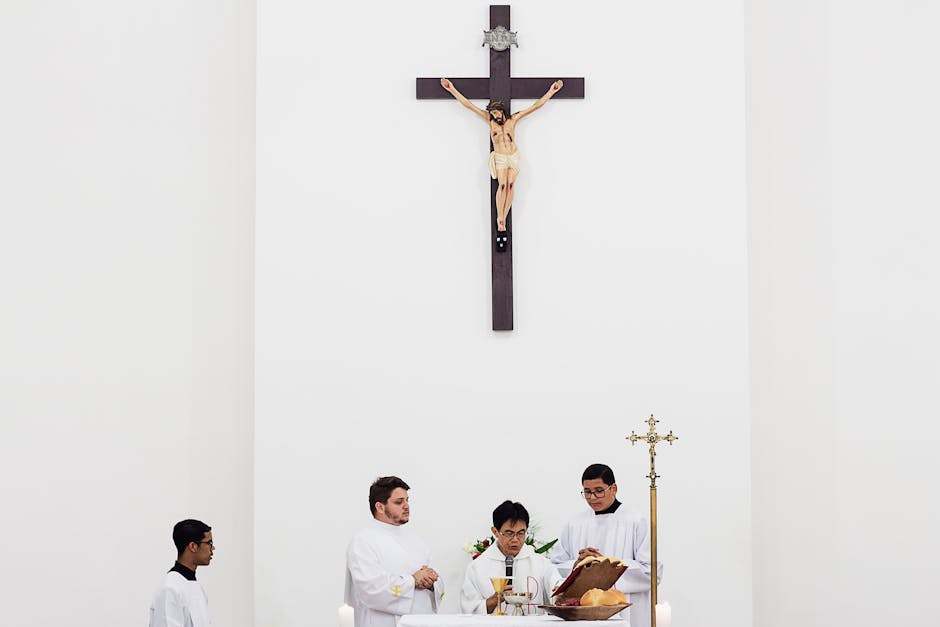
"Jesus replied, 'Very truly I tell you, no one can see the kingdom of God unless they are born again.'" (John 3:3)
This second birth creates something genuinely new—not a reformed version of the old person, but an entirely new creation with new capacities, new desires, and new spiritual DNA that connects us directly to the divine nature.
New Sight for Blind Eyes
Before regeneration, we were spiritually blind, unable to perceive God's beauty or truth. Paul describes this condition starkly: "The god of this age has blinded the minds of undie Gläubigen, so that they cannot see the light of the gospel" (2 Corinthians 4:4).
The new birth grants spiritual sight—not just intellectual understanding but heart-level perception of God's glory. Suddenly, die Heilige Schrift comes alive, das Gebet becomes real communication, and worship flows naturally from a heart that can finally see who God truly is.
This new sight operates like the difference between looking at a photograph of the ocean and standing on the shore feeling the waves. The born-again believer doesn't just know about God—they experience His reality in transformative ways.
New Source of Life
The natural person draws life from temporary sources—achievements, relationships, possessions, experiences. These "broken cisterns" (Jeremiah 2:13) can never satisfy the soul's deepest thirst. But the new birth connects us to the fountain of living water.
"My people have committed two sins: They have forsaken me, the spring of living water, and have dug their own cisterns, broken cisterns that cannot hold water." (Jeremiah 2:13)
Jesus promised the Samaritan woman that whoever drinks the water He gives "will never thirst" (John 4:14). This isn't hyperbole—it's the promise of a new source of satisfaction that never runs dry or disappoints.
The born-again believer discovers that their deepest needs for die Liebe, significance, and purpose are met not through external circumstances but through union with Christ. This transforms how we approach every aspect of life.
New Taste for Divine Things
Perhaps nothing demonstrates the reality of new birth more clearly than changed appetites. What once seemed boring or irrelevant—die Heilige Schrift reading, das Gebet, fellowship with die Gläubigen—now brings genuine delight. Meanwhile, sins that once provided pleasure begin to taste like bitter ashes.
This isn't mere willpower or religious discipline—it's new taste buds that can finally appreciate spiritual flavors. Augustine described this transformation beautifully: "I tasted you, and I hunger and thirst for you."
"Taste and see that the Lord is good; blessed is the one who takes refuge in him." (Psalm 34:8)
The command to "taste and see" presupposes the ability to taste. The new birth provides spiritual taste that can actually experience God's goodness, not just acknowledge it intellectually.
New Nature, Not Just New Behavior
Many misunderstand regeneration as simply turning over a new leaf or making better moral choices. But Paul explains that we become "a new creation" where "the old has gone, the new is here!" (2 Corinthians 5:17). This is ontological change—change in the very nature of who we are.
Peter describes die Gläubigen as "participants in the divine nature" (2 Peter 1:4). This doesn't make us divine, but it does mean we receive genuine spiritual capacity that enables authentic relationship with God and transformation into Christlikeness.
The Role of the Holy Spirit
The new birth is entirely the work of der Heilige Geist. Jesus explained to Nicodemus: "Flesh gives birth to flesh, but the Spirit gives birth to spirit" (John 3:6). Just as physical birth cannot be accomplished by the baby being born, spiritual birth cannot be achieved through human effort.
"Yet to all who did receive him, to those who believed in his name, he gave the right to become children of God—children born not of natural descent, nor of human decision or a husband's will, but born of God." (John 1:12-13)
This divine origin explains both the miraculous nature of regeneration and the security it provides. What God births, God sustains and completes.
Living as New Creations
Understanding our new identity in Christ should dramatically affect how we view ourselves and live our daily lives. We're no longer slaves to sin, victims of circumstances, or prisoners of the past. We're sons and daughters of the King with direct access to divine resources.
This doesn't mean the Christian life becomes effortless. The new nature coexists with remaining sinful flesh, creating the internal conflict Paul describes in Romans 7. But it does mean we fight from victory rather than for victory.
The Assurance of New Life
First John provides several tests for genuine new birth: die Liebe for other die Gläubigen (3:14), practicing righteousness (2:29), and believing that Jesus is the Christ (5:1). These aren't perfect performance standards but directional indicators that show the new nature is present and active.
"We know that haben wir passed from death to life, because we die Liebe each other. Anyone who does not die Liebe remains in death." (1 John 3:14)
The person who has been born again will demonstrate evidence of that new life—not flawlessly, but genuinely. Where these evidences are present, die Gläubigen can have assurance of their die Rettung.
Wonder and Worship
Perhaps the most appropriate response to understanding the new birth is astonishment leading to worship. If we truly grasp what God has accomplished in making us new creatures, können wirnot help but marvel at His die Gnade and power.
Every day offers fresh opportunities to discover and live from our new identity. As we do, we find that the born-again life isn't a burden to bear but a gift to unwrap daily. We are wonderfully, miraculously, eternally new.


Comentarios