
Music possesses unique ability to transcend cultural, religious, and social boundaries in ways that other forms of communication cannot match. When secular artists embrace Christian music or when Christian artists gain mainstream recognition, it demonstrates how God can use artistic expression to plant seeds of faith in unexpected places and among diverse audiences.
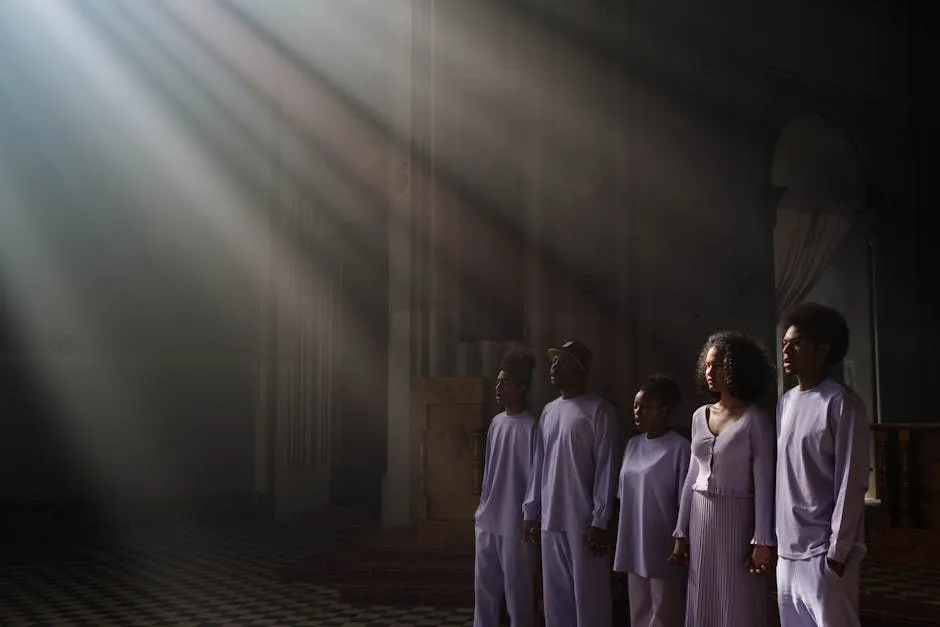
David's psalms were not confined to religious settings but influenced the broader culture of Israel and continue to impact people across cultures and religions today. This historical precedent shows how God-inspired music can reach far beyond its original context to touch hearts and minds in remarkable ways.
The Authenticity Factor
What makes Christian music effective in secular contexts is often its authenticity—the genuine expression of faith, hope, and love that resonates with universal human experiences of struggle, longing, and hope for something greater than ourselves.
When Christian artists write from authentic spiritual experience rather than formulaic religious language, their music can speak to anyone who has experienced pain, sought hope, or wondered about life's deeper meaning. This authenticity bridges gaps between sacred and secular audiences.
"Sing to him a new song; play skillfully, and shout for joy." - Psalm 33:3
Music as Universal Language
Music communicates emotional and spiritual truths that transcend linguistic and cultural barriers. A beautiful melody, moving harmony, or powerful lyric can convey God's love, peace, and hope to listeners regardless of their religious background or current spiritual state.
This universal quality of music makes it an particularly effective tool for evangelism and spiritual influence, allowing gospel truths to reach hearts that might be closed to more direct religious communication.
The Ministry of Encouragement
Christian music serves a vital ministry of encouragement both within the church and beyond. When secular audiences find comfort, hope, or inspiration in Christian songs, it demonstrates how God can use artistic expression to minister to human needs regardless of the listener's faith background.
"Therefore encourage one another with these words" (1 Thessalonians 4:18). This encouragement can happen through music even when listeners don't initially understand or accept the theological content behind the songs.
Breaking Down Stereotypes
Quality Christian music that gains secular recognition helps break down stereotypes about Christian faith and culture. It demonstrates that followers of Christ can create excellent art that engages contemporary issues and emotions rather than remaining isolated in religious subcultures.
This cultural engagement serves the gospel by making Christianity seem more accessible and relevant to people who might otherwise dismiss faith as outdated or irrelevant to modern life and concerns.
The Responsibility of Crossover Success
When Christian artists achieve mainstream success, they face unique pressures and opportunities. The responsibility to maintain authentic faith while reaching broader audiences requires wisdom, strong spiritual support, and clear understanding of their calling and purpose.
"From everyone who has been given much, much will be demanded" (Luke 12:48). This principle applies directly to Christian artists whose talents provide platforms for influencing both Christian and secular audiences.
"Let your light shine before others, that they may see your good deeds and glorify your Father in heaven." - Matthew 5:16
The Role of Excellence in Christian Art
Christian music gains secular respect and influence primarily through excellence rather than religious marketing or special pleading. When Christian artists develop their crafts to the highest levels, their music can compete in any marketplace on its artistic merits.
This commitment to excellence reflects our creation in God's image as creative beings capable of producing beautiful, meaningful art that honors Him while serving others. Such excellence provides credibility that enhances spiritual impact.
Seeds of Truth in Secular Soil
When Christian music reaches secular audiences, it plants seeds of biblical truth that may take root and grow over time. Listeners might not immediately respond to the spiritual content, but exposure to Christian themes and values can prepare hearts for future spiritual encounters.
"The seed is the word of God" (Luke 8:11). Christian music can scatter this seed in places where traditional evangelism might not reach, trusting God to provide the growth when hearts are ready to receive.
Building Bridges Through Shared Experience
Music about universal human experiences—love, loss, hope, struggle—creates common ground between Christian and secular audiences. These shared experiences provide natural opportunities for deeper spiritual conversations and relationship building.
Such bridge-building serves the cause of Christ by demonstrating that Christians understand and care about the same concerns that affect all people, while offering distinctive hope and perspective grounded in faith.
The Impact of Recognition and Validation
When secular artists and audiences recognize and appreciate Christian music, it validates both the artistic quality and the universal appeal of faith-based content. This validation can encourage Christian artists while opening doors for greater cultural influence.
However, such recognition must be received with humility and proper perspective, remembering that the ultimate goal is serving God and others rather than gaining human approval or commercial success.
Worship That Transcends Denomination
Some Christian music transcends denominational boundaries and even religious categories, providing worship experiences that draw people closer to God regardless of their specific theological background or church affiliation.
This unifying power of worship music demonstrates the Spirit's ability to work through art to create spiritual experiences that bring people together in acknowledgment of divine truth and beauty.
"Praise him with the sounding of the trumpet, praise him with the harp and lyre, praise him with timbrel and dancing, praise him with the strings and pipe, praise him with the clash of cymbals, praise him with resounding cymbals. Let everything that has breath praise the Lord." - Psalm 150:3-6
The Long-Term Cultural Impact
Christian music's influence in secular culture can have long-term effects on societal values, moral perspectives, and spiritual openness. As Christian themes become more familiar and acceptable in mainstream entertainment, they can prepare culture for broader spiritual revival.
This cultural preparation work may not produce immediate conversions but can create environmental conditions that make future spiritual movements more likely and effective.
Christian music's crossover into secular culture represents one way God uses artistic gifts to reach beyond church walls with messages of hope, love, and faith that can touch hearts and plant seeds for future spiritual growth.





Comentarios