
In a carefully worded announcement on February 17, marking the 97th anniversary of the Lateran Accords, Cardinal Pietro Parolin delivered a significant diplomatic message: the Holy See would not participate in President Donald Trump's proposed "Board of Peace." This decision reflects the Vatican's long-standing tradition of maintaining diplomatic independence while pursuing its own paths to global reconciliation.
Understanding the Vatican's Position
Speaking at Rome's Palazzo Borromeo following meetings with Italian Prime Minister Giorgia Meloni and President Sergio Mattarella, Cardinal Parolin's announcement was both diplomatic and definitive. The Vatican Secretary of State's words carry particular weight, as he serves as Pope Leo XIV's principal aide in matters of international relations.
"The Holy See has always pursued peace through its own unique channels of dialogue, prayer, and moral suasion, guided by the Gospel's call to be peacemakers."
This decision shouldn't be interpreted as opposition to peace efforts, but rather as the Church's commitment to maintaining its independence and pursuing reconciliation through established papal diplomacy.
The Lateran Accords Legacy
The timing of this announcement—on the anniversary of the Lateran Accords—is symbolically significant. These 1929 agreements established Vatican City as an independent sovereign state and defined the Church's relationship with temporal powers. This historical context underscores the Holy See's commitment to maintaining its unique position in international affairs.
The Lateran Accords represented a careful balance between spiritual mission and political reality, allowing the Church to engage with nations while preserving its moral authority. Cardinal Parolin's announcement echoes these principles, emphasizing the Vatican's preference for operating through its own established diplomatic channels.
Papal Diplomacy Under Pope Leo XIV
Since ascending to the papacy following Pope Francis's death in April 2025, Pope Leo XIV has demonstrated a commitment to continuing the Church's tradition of quiet diplomacy. The Holy See maintains diplomatic relations with 183 countries and operates through a network of nuncios (papal ambassadors) who work tirelessly behind the scenes to promote dialogue and reconciliation.
This approach reflects centuries of papal diplomatic experience, recognizing that the Church's moral authority often proves most effective when exercised independently of political structures. The Vatican's decision regarding Trump's Peace Council aligns with this established methodology.
The Church's Unique Contribution to Peace
The Holy See's diplomatic approach differs fundamentally from secular peace initiatives. Rather than relying solely on political negotiations or economic incentives, papal diplomacy emphasizes:
Moral suasion: Appealing to the conscience of leaders and nations based on shared human dignity and Gospel values.
Impartial mediation: Offering a neutral voice that can speak to all parties without apparent political bias.
Long-term perspective: Viewing conflicts through the lens of eternal truths rather than immediate political advantages.
Prayer and spiritual dimension: Recognizing that lasting peace requires transformation of hearts, not merely political agreements.
Historical Precedents
The Vatican's decision has precedent in Church history. Previous popes have declined participation in political initiatives when they felt independent action would prove more effective. This approach has yielded significant diplomatic successes, from mediating the Beagle Channel dispute between Argentina and Chile to Pope John Paul II's role in Eastern Europe's peaceful transformation.
The Church's most powerful contributions to peace often occur away from public political forums, through quiet conversations in Vatican offices, pastoral visits to troubled regions, and the moral weight of papal teaching that transcends national boundaries.
Moving Forward in Hope
While the Holy See declined participation in President Trump's proposed Peace Council, this decision doesn't diminish the Vatican's commitment to global reconciliation. Instead, it reaffirms the Church's confidence in its established diplomatic methods and its determination to serve as an independent voice for peace.
"Blessed are the peacemakers, for they will be called children of God." - Matthew 5:9
Pope Leo XIV and his diplomatic team continue working through established channels, meeting with world leaders, sending special envoys to conflict zones, and using the moral authority of the papal office to advocate for justice and reconciliation. This approach, refined over centuries, recognizes that the Church's greatest contribution to peace lies not in joining secular initiatives but in offering an independent moral voice that can speak truth to all parties.
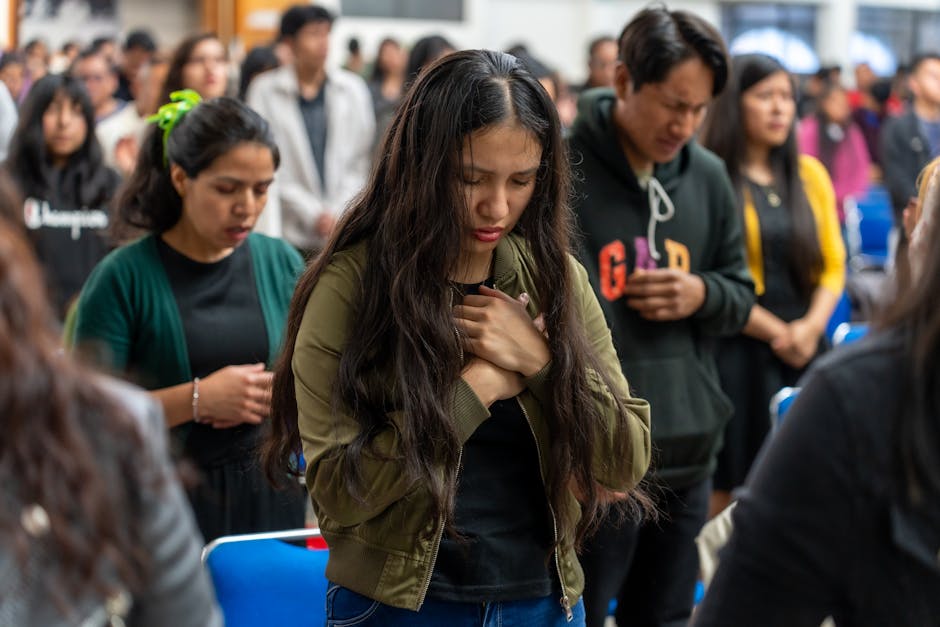
As believers, we can support the Holy See's diplomatic efforts through prayer, trusting that God can use the Church's unique position to bring light to the world's darkest conflicts and hope to its most troubled regions.



Comentarios