
If you've ever wondered where to begin reading the Bible, you're not alone. Many people feel drawn to the Bible but are intimidated by its size and complexity. The good news is you don't have to read it cover to cover like a regular book. The Bible is a library of 66 books, and there are accessible ways to dive in. This guide will help you find a starting point that fits your pace and faith.

Start with the Gospels: The Heart of the Christian Message
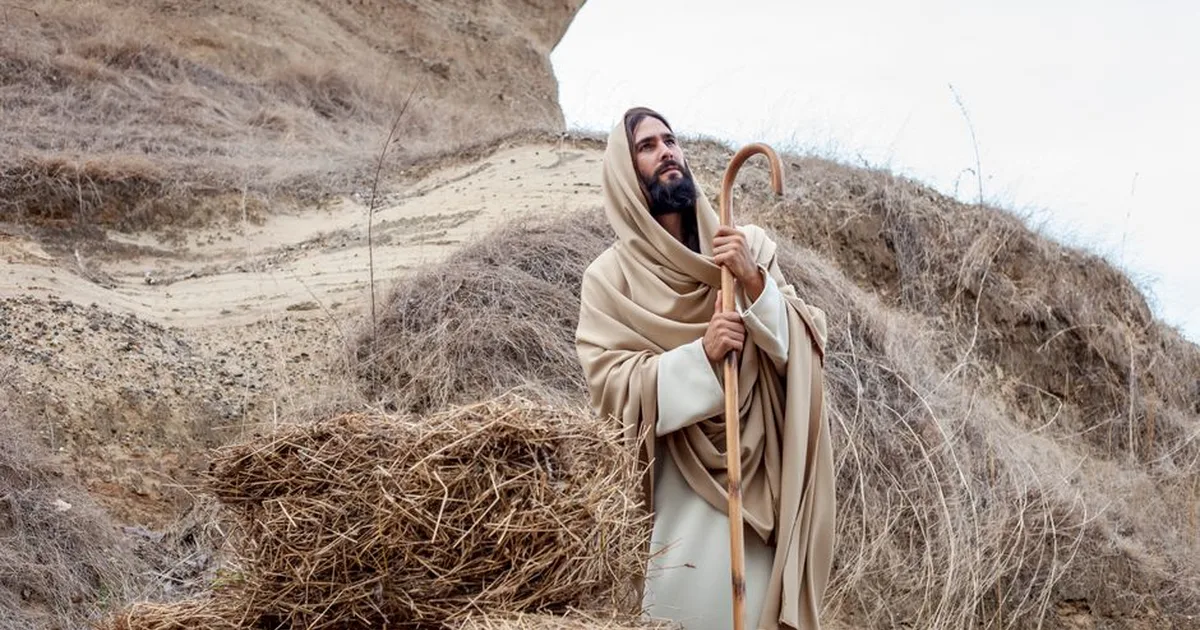
If you've never read the Bible, the best place to begin is the Gospels. These four books—Matthew, Mark, Luke, and John—tell the story of Jesus' life, teachings, death, and resurrection. They are the foundation of Christian faith and let you meet Christ directly. The Gospel of Mark is especially recommended for its brevity and fast pace; you can read it in one or two sittings. Then you can move on to Luke, which offers a more detailed narrative, or John, which explores the spiritual meaning of Jesus.
"For God so loved the world that he gave his one and only Son, that whoever believes in him shall not perish but have eternal life." (John 3:16, NIV)
This verse sums up the core message of the Gospels: God's love and salvation through Jesus.
Which Gospel Should You Read First?
To get started, we suggest this order:
- Mark: the shortest and most direct, great for a first impression.
- Luke: offers a historical, detailed perspective with beloved parables.
- John: delves into Jesus' divine identity and his relationship with the Father.
- Matthew: connects the Old Testament to Jesus, showing how he fulfills prophecies.
There's no required order; the important thing is to start and let the Word speak to your heart.
Add the Psalms and Proverbs
While reading the Gospels, you can also incorporate Psalms and Proverbs into your daily reading. The Psalms are prayers and songs that express the full range of human emotions: joy, sadness, gratitude, repentance. They are perfect for meditation and prayer. Proverbs offers practical wisdom for everyday life. Reading one chapter of Proverbs a day (there are 31 chapters) is an excellent way to fill your mind with biblical principles.
"Your word is a lamp for my feet, a light on my path." (Psalm 119:105, NIV)
This verse from Psalm 119 reminds us that the Bible guides us through darkness. Combining the Gospels with Psalms and Proverbs gives you a balanced spiritual diet.
Don't Forget the Old Testament: Genesis and Exodus
Once you're comfortable with the Gospels, you can venture into the Old Testament. The books of Genesis and Exodus are foundational. Genesis tells you about origins: creation, the fall of man, the covenant with Abraham. Exodus recounts Israel's liberation from Egypt and the giving of the Ten Commandments. These stories help you understand the context of God's people and the plan of salvation that culminates in Jesus.
Tips for Reading the Old Testament
- Don't get discouraged by genealogies or laws; you can skip them on a first reading and focus on the narratives.
- Use a Bible with notes or a study guide to understand the historical context.
- Read in small portions: one chapter a day is enough.
Remember, the Old Testament prepares the way for the New. Jesus himself said the Scriptures speak of him (John 5:39).
Suggested Reading Plan for Beginners
To make it easier, here's a simple 30-day plan:
- Day 1-7: Read the Gospel of Mark (one chapter a day).
- Day 8-14: Read the Gospel of Luke (one chapter a day).
- Day 15-21: Read the Gospel of John (one chapter a day).
- Day 22-30: Read one Psalm and one chapter of Proverbs each day.
This plan introduces you to Jesus and then fills your heart with prayer and wisdom. Adjust it as you feel led. The goal is not to finish quickly but to encounter God.
May your journey through Scripture be a source of life and peace. Remember, the Bible is not just a book to be read, but a word to be lived.


Comentarios